by Tony Foulon | Before & After Project Spotlights
Did you know? Improper carpet installation in St. Charles MO can drive your flooring costs up by 20% or more in repairs and replacements. With surprising myths, tricky DIY pitfalls, and discount carpet deals lurking at every turn, making the right choice for your home remodel could save you thousands and give your floors the gorgeous, long-lasting finish you deserve. Discover how to protect your investment and get the home of your dreams—without the headaches!
Why Professional Carpet Installation St. Charles MO Matters—Surprising Facts & Common Myths
- Discover how improper carpet installation st. charles mo can cost homeowners up to 20% more in repairs.
- Learn the hidden risks of DIY carpet install in saint charles and how expert installation services guarantee lasting quality.
- Debunk the myth: Low-cost carpet discount deals in st charles may not always offer the best long-term value.
Choosing professional carpet installation in St. Charles MO is about more than appearances—it’s about protecting your investment and your family’s comfort. Homeowners who go the DIY route often face costly redos, warranty voids, and subpar results that wear down quickly. While a DIY approach may appear budget-friendly upfront, improper fitting, missed underlayment opportunities, or using the wrong padding can lead to waviness, seams, and expensive future repairs. St. Charles families deserve durable, plush floors with a flawless finish that stands up to daily life.
Many believe they’re getting the best deal with bargain carpet discounts in St. Charles, but hidden installation fees, poor materials, and lack of certified installers often result in higher total costs. In contrast, expert installation services provide lasting value, ensuring professional results, long-term warranties, and peace of mind. Don’t let myths steer you wrong—investing in skilled installation pays off over the life of your carpeting.
Understanding the Carpet Installation St. Charles MO Process: From Selection to Installation Services
The journey to flawless carpet installation in St. Charles MO begins well before the first roll of carpet is opened. From the initial hunt for the best carpet discount sources in St. Charles to the moment your new floors are expertly finished, each step shapes your home’s look and feel. The process starts by tapping into local expertise—reliable installers can recommend options perfect for your lifestyle, budget, and the unique climate of St. Charles and the surrounding area. It’s crucial to evaluate each installation service for credentials, past work, and references.
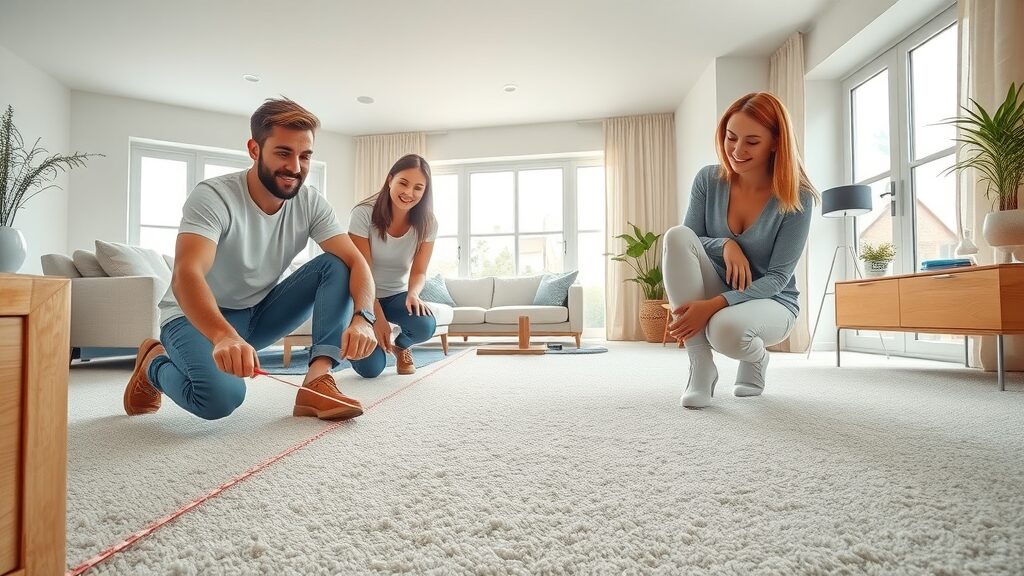
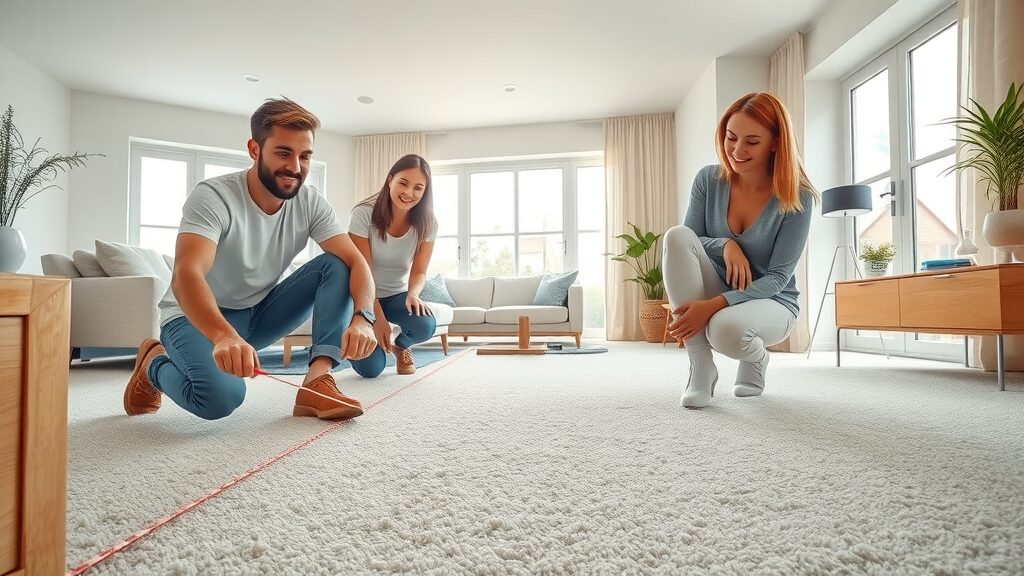
Preparation is everything. Professional installers will guide you through prepping your home—removing old flooring, checking subfloors for issues, and ensuring spaces are clean and level. By the time installation day arrives, you’ll know exactly what to expect: careful measuring, efficient teamwork, and a transparent plan. Whether it’s a full home remodel, an area rug upgrade, or integrating new tile flooring, the right process results in a seamless, lasting transformation that enhances both comfort and home value.
Key Steps in a Seamless Carpet Install in Saint Charles
- Choosing top carpet discount sources locally in st charles
- Evaluating professional installation services and credentials
- Prepping st louis homes for floor covering or tile flooring projects
- What to expect on installation day—addressing home remodel and area rug updates
Successful carpet install projects always begin with selecting high-quality, competitively priced materials from trusted local vendors engaged in the St. Charles and St. Louis communities. Next, evaluating potential installation teams by checking for certifications, insurance, and customer reviews ensures you’ll receive top-tier craftsmanship and minimal disruption. Don’t overlook the prep: clearing furniture, verifying measurements, and prepping subfloors lays the groundwork for a trouble-free floor covering install, whether for plush carpeting or a tile flooring upgrade.
On installation day, professionals handle everything—from expertly laying out padding and trimming seams to smoothing corners and performing detailed walkthroughs. For homeowners planning a home remodel, attention to detail and clear communication throughout the process ensures area rugs are perfectly positioned, transitions between rooms are flawless, and the final product exceeds expectations.

7 Most Common Carpet Installation Mistakes in St. Charles MO (And How to Avoid Them!)
- Incorrect measurements leading to wasted materials
- Skipping essential floor prep before carpet install
- Choosing low-quality padding for st charles homes
- Improperly seamed or secured carpet for st louis properties
- Neglecting moisture checks, especially before tile flooring projects
- Hiring non-certified professional installation teams
- Overlooking warranty options from local carpet discount sources
“The difference between a DIY carpet install and a professional, certified installation in saint charles is years of comfort, lower replacement costs, and a safer home environment.” – Hometown Floors Expert
Incorrect measurements lead to costly waste and awkward seams, the bane of carpet installation in both St. Charles and the wider St. Louis area. Skipping floor preparation—cleaning, leveling, and moisture-proofing—can cause problems like wrinkles, mold, and rapid wear. Using low-quality padding may save up front on your floor covering cost but drastically shortens the carpet’s life and comfort.
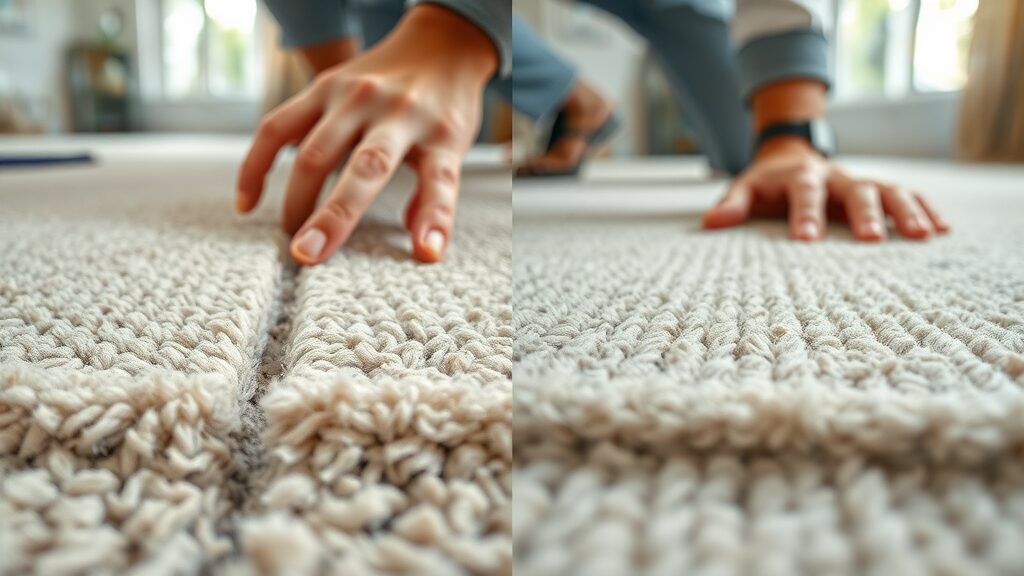
Seaming errors or poor stretching can leave edges lifting, tripping hazards, and visible lines. Failing to check for hidden moisture, particularly on tile or wood underfloors, leads to mold and costly flooring corrections later. Always hire certified installation services ; non-certified teams might overlook these essentials, leaving homeowners vulnerable to quality and warranty issues. Finally, don’t let flashy carpet discounts trick you—warranty exclusions and fine print can risk your long-term investment.
How to Identify the Best Carpet Installation Services in St. Charles MO
With so many options for carpet installation in St. Charles MO , choosing the best professional partner can be daunting. The right installation service will always proudly display credentials, provide a transparent quote, and keep your interests as a top priority. When evaluating your choices, check for reviews from other St. Charles and St. Louis homeowners, ensuring your installer has a local track record for excellence in both traditional carpeting and specialty projects, like tile flooring or area rugs.
Professionalism extends to clear warranties, insurance, and references from previous clients. Don’t be swayed by suspiciously low prices or vague promises: reputable companies not only deliver superior carpet installs but also guarantee satisfaction through every step of your home remodel. If you spot a team without proof of experience, insurance, or a recent portfolio of locals recently requested projects—consider that a major red flag.
Evaluating Professional Installation Credentials in Saint Charles
- Check carpet install reviews in st charles and st louis
- Ask about floor covering and tile flooring experience
- Request proof of insurance and warranty coverage
A trustworthy installer will happily provide proof of local success: reviews, photos of finished carpeting, and satisfied customer testimonials—often from recent jobs in Charles County, St. Louis, or surrounding areas. Make sure their insurance protects both you and their project specialists. Confirm that their warranty covers the materials and labor, and ask about their expertise with floor covering options, such as laminate floor or specialty area rugs.
If your Saint Charles or St. Louis installer has experience handling complex layouts, including transitions between tile flooring and carpet, you’re likely in good hands. Look for a skilled, insured, and communicative team to make your home remodel both smooth and stress-free.
Red Flags to Avoid With Carpet Discount Offers and Cheap Installs
- Unusually low prices for area rugs or carpet installations
- Incomplete quotes for carpet install in saint charles
- Lack of references or portfolio in local st charles projects
The allure of a low sticker price can be tempting, but with carpet installation in St. Charles MO , deals that seem too good to be true usually are. If your installer cannot deliver a transparent, itemized quote, or refuses to share references from previous jobs in St. Charles, consider it a warning sign. Uninsured or ghost teams often cut corners, leading to short-lived floor covering and frustrated homeowners.
Reputable professionals stand by their work, offer detailed estimates for all phases—from subfloor prep to carpet stretching and post-installation cleanup—and address all warranty inclusions upfront. Protect your home, family, and investment: choose transparent, well-documented installation services over risky carpet discounts.
Comparing Carpet Installation St. Charles MO Costs: The Real Value of Professional Services
| Service |
DIY Cost Estimate |
Professional Cost (Avg.) |
Pros |
Cons |
| Standard Carpet Install |
$350-$600 |
$700-$1200 |
Lasts 2-3x longer, warranty |
Higher upfront |
| Floor Covering Prep |
$100 |
Included |
Done right first time |
– |
| Tile Flooring / Area Rugs |
Varies |
Varies |
Custom fitting |
– |
While DIY carpet install can seem like a cost-saving move, the professional difference is clear: installs last 2-3 times longer, benefit from full warranty support, and present fewer surprises along the way. Experienced St. Charles and St. Louis area installers bundle prep and finishing, ensuring every aspect of your floor covering project meets the highest standards. The result? A more beautiful, reliable, and value-driven home upgrade, with less hassle and greater peace of mind.
Ultimately, the small additional investment up front pays for itself in extended carpet life, lower ongoing repair costs, and superior comfort underfoot. Homeowners who take the time to compare service details and long-term value report much higher satisfaction after their home remodel.
Key Benefits of Professional Carpet Installation St. Charles MO vs DIY
- Extended lifespan and beauty for st charles carpet install
- Seamless floor covering and tile flooring integration
- Peace-of-mind warranty & guaranteed safety for your home remodel
Certified professional installation brings real, measurable benefits to homeowners in St. Charles MO and beyond. When you invest in qualified flooring install teams, you enjoy results that look flawless, feel plush, and hold up to the busiest lifestyles. Area transitions—between carpet, tile, and laminate floor spaces—are seamless, enhancing both visual flow and practicality.
Warranties protect against premature wear, accidental damage, and installation-related issues, eliminating the “what if” worries that often shadow DIY projects. Most importantly, certified pros know how to make every detail of your home remodel project safe, efficient, and hassle-free—guaranteeing decades of happy barefoot flooring.
Video Walkthrough: Inside an Expert Carpet Installation St. Charles MO Project
Experience the expert touch: Join our knowledgeable install team in St. Charles as we guide you through a real home project. From unpacking premium carpet rolls and prepping subfloors to measuring, seaming, stretching, and finishing edges, our video reveals how true professionals handle jobs large and small. See how attention to detail, top-tier tools, and real teamwork guarantee a flawless result.
Watch for quick tips on tackling difficult corners, creating smooth transitions to tile flooring or area rugs, and ensuring safe, clean workspaces. Our skilled project specialists share the inside secrets that keep your home looking magazine-worthy—no shortcuts and no surprises.
Wondering about the difference between a DIY install and a pro one? This walk-through demonstrates the expert advantage for homeowners in both St. Charles and St. Louis.
Expert Tips: Maintaining Your New Carpet Install in St. Charles Area
- Vacuum frequently to extend carpet life
- Address spills immediately to prevent floor covering damage
- Schedule routine professional cleanings
- Layer area rugs for added protection and visual appeal
Once your carpet installation in St. Charles MO is complete, keeping it looking gorgeous is all about regular maintenance. A quick vacuum each week removes dirt, pet hair, and debris, protecting your carpet fibers from rough wear. If you spill on your new floor covering, tackle it right away with recommended cleaners—this prevents stains and keeps padding fresh.
Professional cleanings every 12-18 months pull out deep-seated dust and restore your carpet’s bounce. If you have busy family spaces or pets, layering area rugs not only adds design flair but provides essential extra protection in high-traffic zones. Consistent care means your investment pays off, keeping your floors plush, fresh, and ready for barefoot living year-round.
Not sure what to expect from your carpet install? Our Saint Charles installation team shares pro answers to the most common homeowner questions. Watch as we tackle pricing, installation techniques, project timelines, and floor covering options best suited to St. Charles and St. Louis homes. These rapid-fire FAQs clear up the confusion so you can book with confidence.
Armed with these answers, you’ll know exactly what to budget, how to prep, and which service options will guarantee your satisfaction. Don’t miss our tips for integrating area rugs or blending carpet and tile flooring during a home remodel project.
Your comfort, safety, and long-term savings start with the right information—get it straight from the professionals.
People Also Ask: Answering Your Top Carpet Installation St. Charles MO Questions
How much should you pay to have carpet installed?
In St. Charles MO, professional carpet install pricing ranges from $3 to $7 per square foot depending on carpet type, underlayment, and project complexity. Always get a detailed quote from a trusted installation services provider before committing.
What is the cost of a carpet installation?
Average costs for carpet installation in St. Charles run $700-$1200 for most homes, factoring in materials, labor, and removal of old flooring. Large or complex floor covering areas and premium carpet discounts may increase the cost.
Do carpet installers do one room at a time?
Yes, most professional installation services handle one room at a time to ensure quality, minimize disruptions, and provide a clean finish at each stage in your saint charles home.
What is the most common type of carpet installation?
The stretch-in method is the most common carpet install process in saint charles and st louis, using tack strips and padding to create a smooth, resilient surface ideal for most residential areas.
Essential FAQs: Carpet Installation St. Charles MO
- Can I schedule carpet install outside standard business hours in saint charles?
- Is there a difference in quality among local st louis installation services?
- How soon can I walk on new floor covering?
Flexible installers in St. Charles offer scheduling options outside standard hours to accommodate busy families. Quality varies significantly among local St. Louis installation services—always choose certified pros with a track record for skilled project delivery and strong customer reviews.
After installation, most new floor coverings are safe for light foot traffic within a few hours. However, waiting 24 hours before moving furniture or heavy objects helps preserve seams and carpet integrity for the long haul.
Top Takeaways for Carpet Installation St. Charles MO Homeowners
- Avoid shortcuts—choose certified installation services for your new carpet install in saint charles
- Compare costs and warranty coverage to ensure maximum value
- Ask for references and review portfolios from st charles and st louis professionals
Protect your investment: Ensure your St. Charles carpet install is a success by working with experienced, certified installers, demanding upfront cost breakdowns, and evaluating references from locals recently requested a quote or undergone similar projects.
Ready for Professional Carpet Installation St. Charles MO Results?
Have questions about your flooring project? Speak with a friendly pro—call at (636) 244-4951 or browse our work at www.hometownfloorsonline.com . Experience hassle-free, warranty-backed installation services in st charles today.
Flooring Installation Services in O’Fallon, St. Charles County & Surrounding Areas
HomeTown Floors is proud to serve homeowners and businesses with professional flooring installation, hardwood, vinyl plank, carpet, and tile services throughout O’Fallon, St. Charles County, and the Greater St. Louis area. Our service areas include Ballwin, Chesterfield, Des Peres, Eureka, Fenton, Frontenac, Innsbrook, Jefferson County, Kirkwood, Lincoln County, Manchester, St. Charles, St. Peters, Sunset Hills, Town & Country, Union, Washington, Weldon Spring, Wentzville, and Wildwood.
We specialize in flooring design consultations, product selection, and expert installation to give your home or business a beautiful, long-lasting finish. Trust HomeTown Floors for 5-star flooring service and local expertise that sets us apart in Missouri.
by Tony Foulon | Before & After Project Spotlights
Did you know that over 65% of homeowners choose flooring options inspired by regional trends? This surprising fact highlights that your flooring choices are rarely just personal—they’re part of a local style conversation that shapes the entire feel of your home. Blending “flooring” innovations with the pulse of your neighborhood adds lasting value and distinct personality, making your home not just a place to live, but a statement in your community. Read on to discover how blends “flooring” with localized trend-seeking content can capture local trend magic and completely transform your space.
Blends “Flooring” with Localized Trend-Seeking Content: Local Trends, Lasting Value
- Did you know that over 65% of homeowners choose flooring options inspired by regional trends? Explore how blending “flooring” innovations with the pulse of your neighborhood can add value and personality to your home.
- What you’ll learn: The latest insights, actionable advice, and how to select blends “flooring” with localized trend-seeking content that works for your distinct tastes.
Comparison of Popular Wood Flooring Trends by Region
| Region |
Trending Wood Type |
Popular Finish |
Design Motif |
| North America |
Oak Tree, Maple |
Matte, Rustic Texture |
Barnwood Plank |
| United Kingdom |
European Oak, Ash |
Natural Wood, Oiled |
Chevron, Herringbone |
| Eastern Europe |
Beech, Walnut |
Satin, Light Whitewash |
Parquetry |
“Flooring isn’t just about walking on it—it’s about making a statement in your community.” – Interior Design Expert
Why Choose Blends “Flooring” with Localized Trend-Seeking Content for Wood Floor Appeal?
Wood Floor and Wood Flooring: Timeless and Trend-Responsive
- Wood floors have a long history of blending tradition with trend. Their versatile appeal means they work in both historic and contemporary settings. Modern wood flooring adapts to local color palettes and traditions—think warm, earthy hues in North America or the cool, subtle greys in Northern Europe.
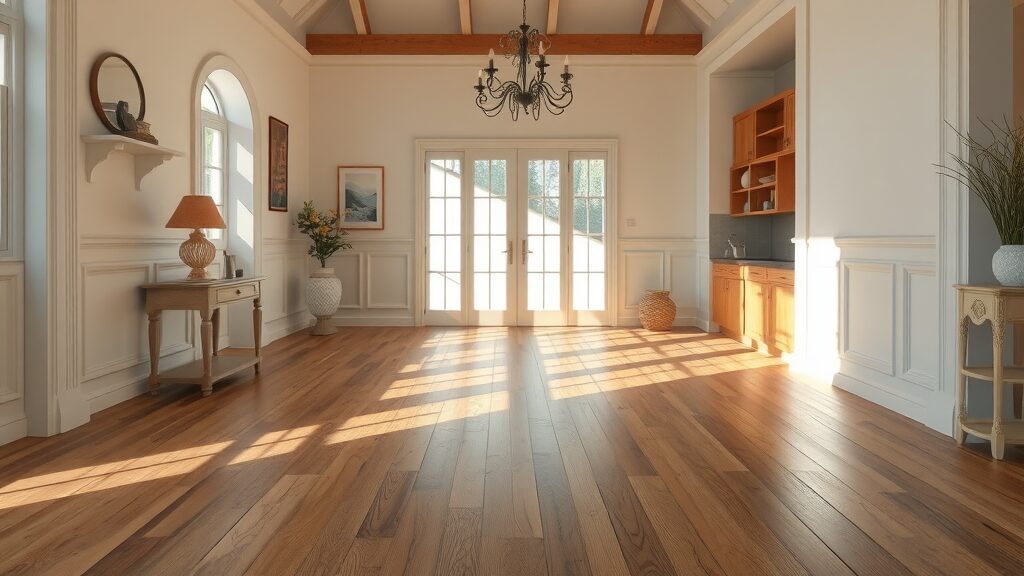
- The magic of blending “flooring” with localized content comes from its adaptability. Natural wood grain and timeless floor patterns work with both minimalist and eclectic trends, echoing everything from barnwood chic to cottage charm.
Hardwood Floor, Engineered Wood, and Traditional Wood Choices
- When comparing hardwood floor , engineered wood, and traditional wood, each comes with its own set of perks. Hardwood floors offer unmatched longevity and classic appeal—perfect for homeowners seeking a long term solution. Engineered wood flooring is designed for both durability and versatile installation, making it a popular choice for busy homes.
- Engineered wood seamlessly replicates natural wood tones, while offering a stable wear layer that resists climate fluctuations. In many regions, engineered wood floors are blended with local accents for a look that’s both contemporary and deeply rooted in tradition. Traditional wood options emphasize rich, local heritage and bring rustic textures or intricate wood grain into modern homes, tying the old and new together beautifully.
Exploring Flooring Options: Which Flooring Products Shine Locally?
Vinyl Floor and Vinyl Flooring: Contemporary Solutions
- Contemporary vinyl floor and vinyl flooring are soaring in popularity thanks to their resilience and adaptability. In areas with high foot traffic or unpredictable climates, vinyl provides a waterproof, easily maintained option that often mimics natural wood—ideal for busy kitchens or family spaces.
- Regional blends also weigh the pros and cons of vinyl flooring. While it shines for its low maintenance needs, quick installation, and resilient floor finish, it’s important to balance these features against personal tastes and local style trends. In climates subject to humidity, vinyl floor products with a robust wear layer keep surfaces looking fresh for years.
Wear Layer, Floor Heating, and Comfort Features
- Recent innovations in flooring products focus on the wear layer —the critical surface that guards against scratches, dents, and stains. Top-rated options feature a reinforced wear layer that enhances both the appearance and durability of your floors, especially important in high-traffic zones.
- For homeowners seeking luxury and year-round coziness, floor heating can be integrated beneath popular flooring options like engineered wood and luxury vinyl. Floor heating not only adds comfort during cold winters, but it also preserves the integrity of your wood floor by keeping moisture levels balanced.
Top Flooring Products: Bestsellers by Popularity and Performance
- Engineered Oak Wood Floor: Sought after for its mix of durability and classic oak tree grain.
- Luxury Vinyl Plank: Waterproof and kid-friendly, a top seller in open-concept kitchens.
- European Ash Hardwood Floor: Celebrated for its light finish and subtle wood grain.
- Water-resistant Laminate: Brings rustic texture with easy maintenance—a rising favorite among families with pets.
- Bamboo Flooring: Eco-conscious, renewable, and showcasing bold natural wood patterns.
Blends “Flooring” with Localized Trend-Seeking Content Around the Globe
North America and the United Kingdom: Regional Reflections
- In North America , popular flooring choices balance practicality and style—think barnwood planks and engineered wood flooring with wide boards. The United Kingdom leans toward classic herringbone and chevron patterns for their enduring visual appeal. Local tastes are deeply influenced by cultural roots, from rustic oak floors in New England to intricate motifs in London townhouses.
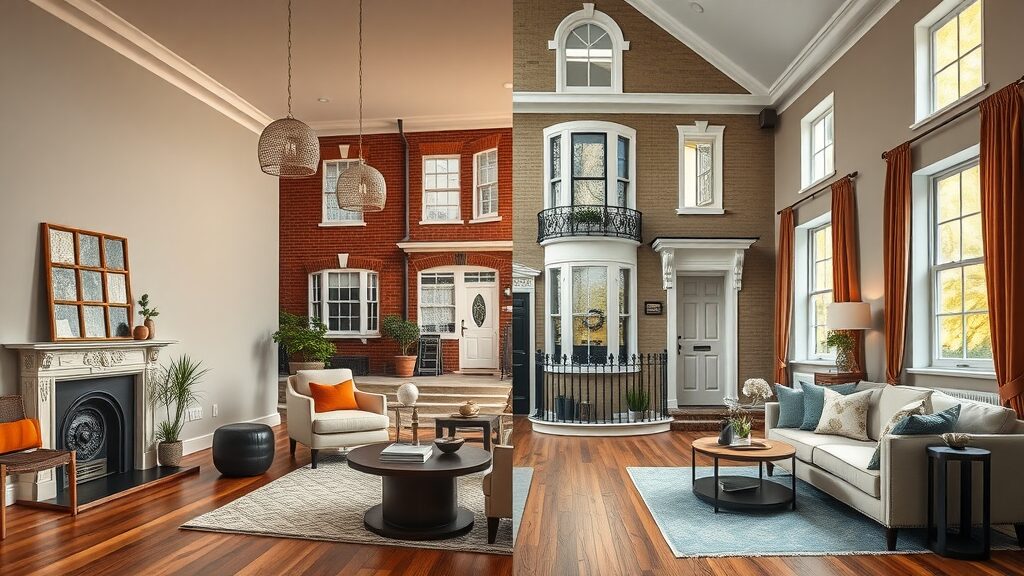
- Each region’s flooring trends are a tapestry woven from tradition and innovation. Layering modern finishes onto classic designs, homeowners make subtle statements that reflect both personal flair and the broader local palette.
Traditional Wood Craftsmanship in Modern Homes
“Blending tradition with today’s aesthetics is the secret sauce.” – Regional Flooring Specialist
The enduring popularity of traditional wood is evident everywhere—from coastal cottages to upscale urban apartments. Craftsmen today often merge hand-finished wood floors and modern sealing methods, delivering a floor finish that emphasizes the resilience and beauty of natural wood. This blend of tradition and innovation honors both heritage and contemporary living trends, ensuring your floors never feel out of place, no matter the era or location.
Homeowners who invest in bespoke wood flooring products, drawing on local resources, enjoy floors that echo regional identity yet remain effortlessly modern. The result is a unique balance: a flooring option that celebrates history while meeting the needs of today’s busy households.
How to Blend Mismatched Flooring?
- Blending flooring products for seamless transitions is both an art and a science. The key is to use transitional materials and a unified color palette to create smooth visual flow between spaces like a wood-to-vinyl transition in an open floor plan. Thresholds, trims, and even color gradation help maintain harmony while allowing you to mix beloved wood floor planks with resilient vinyl floor options for practical and stylish results.
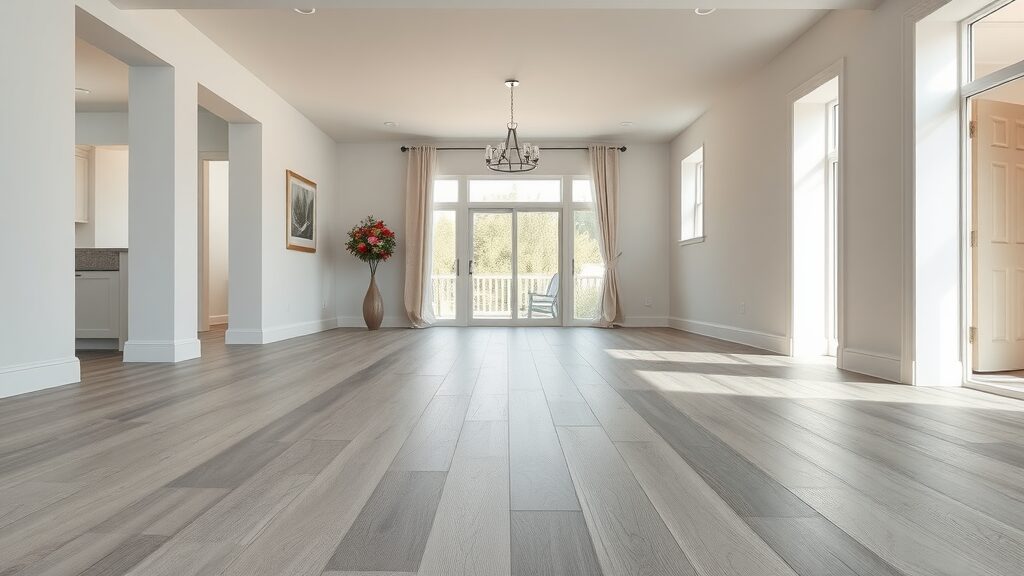
- Mixing wood floors with vinyl flooring means matching tone and body, not just the finish. Don’t shy away from pairing an oak grain wood floor in the living area with waterproof vinyl planks in the kitchen for easy cleaning and maintenance. For larger open concepts, coordinate flooring products with consistent tones, using area rugs to anchor key spaces and soften transitions.
- Consider practical details: avoid abrupt changes in plank width or floor grain direction which can disrupt the space. Instead, focus on practicality and visual flow, especially when the look must satisfy current trends and long term durability goals.
Answer: Effective Design for Consistency and Flow
- Anchor transition zones with area rugs —they break up the visual line between different flooring options and reinforce continuity. Play with tones by choosing flooring options in the same color family. Plan thresholds strategically, using transition strips and smart layout tricks to boost both beauty and functionality in your home’s high-traffic zones.
What Type of Flooring Is Trending Right Now?
- The latest blends “flooring” with localized trend-seeking content spotlight eco-conscious materials , signature low-maintenance products, and bold natural wood textures. Regional popularity is exploding for engineered wood and luxury vinyl flooring, particularly in North America and the United Kingdom, where climate-resilient designs and easy cleaning are top priorities.
- Texture—think hand-scraped, wire-brushed, or rustic—gives wood floors extra depth, while more homeowners opt for sustainable bamboo and responsibly sourced oak tree options. Open-concept layouts favor seamless, resilient floor coverings with innovative wear layers that stand up to the daily demands of busy households.
Answer: Diverse Regional Favorites and Innovative Materials
- Engineered wood and luxury vinyl lead the charts in many local markets. Their appeal extends to all ages and lifestyles due to water resistance, cost efficiency, and design variety. Local flooring companies now offer unique blends that combine traditional wood craftsmanship with modern, eco-friendly floor finishes.
What Flooring Never Goes Out of Style?
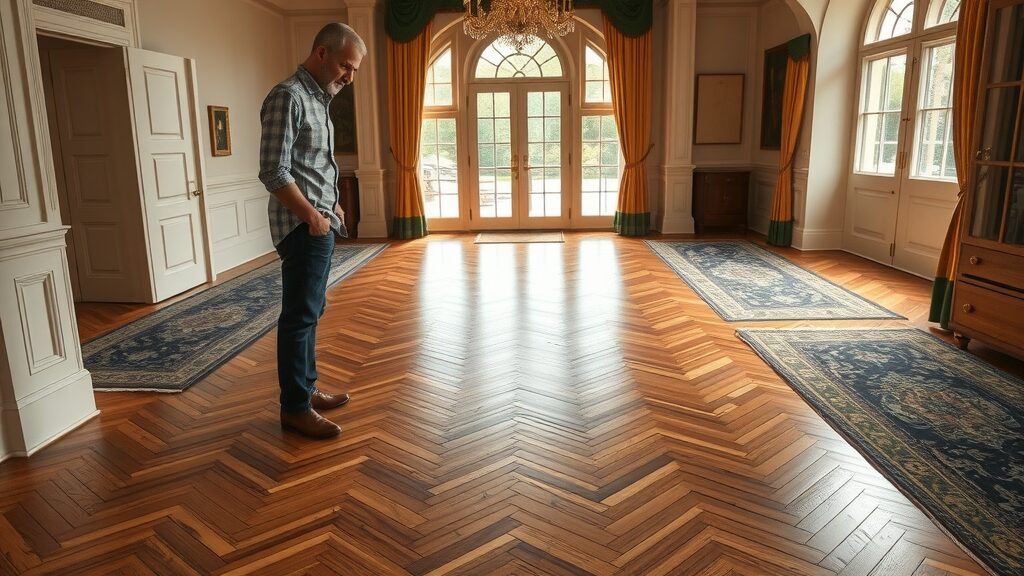
- Wood floor and hardwood floor products have cemented their status as perennial style heroes. Classic patterns—like herringbone, chevron, and wide plank—work with a spectrum of palettes, from warm neutrals to cool greys. These traditional wood options stay in vogue through decades, transcending passing trends and delivering long term value and elegance.
- Neutral blends and subtle wood grain effects are always a safe, timeless choice when updating flooring. Homeowners seeking reassurance in their investment turn to expert-backed hardwood floor solutions, confident that their selection won’t look outdated even as design trends shift.
Answer: Traditional Wood Flooring and Subtle Hues
- Industry experts consistently rank traditional wood flooring and neutral hues among the most enduring trends. Whether you choose classic oak, European ash, or walnut, these flooring products continue to dominate best-of lists and receive high marks for resale appeal and versatility.
How Do You Coordinate Different Types of Flooring?
- Successful coordination starts with a cohesive palette—pair natural wood floors with tile, carpet, or vinyl flooring by sticking to a family of colors. Transition strips and trims keep boundaries clean, while layout tricks (like plank direction) further unify your home’s design. Pay close attention to the wear layer and finish compatibility to maintain both form and function.
- Professional flooring designers often recommend using area rugs and furnishings to bridge the visual gap between distinct flooring products. For best results, consult local pros who understand how popular flooring products perform in your specific region’s climate and lifestyle demands.
Answer: Rules of Thumb for Beautiful Blends
- Choose colors and materials that share undertones—warm with warm, cool with cool—for a seamless effect. Employ quality transition materials—think brushed steel or stained wood—for long term durability and beauty. Be mindful of plank orientation and width, ensuring all rooms flow together visually and meet the core needs of durability, style, and practicality.
Frequently Asked Questions about Blends “Flooring” with Localized Trend-Seeking Content
- Q: What are the benefits of selecting regional flooring products?
A: Blending “flooring” with localized trend-seeking content ensures your floors are both stylish and suited to your home’s climate and wear patterns. Regional selections add value at resale and help your rooms feel truly “at home.”
- Q: Do maintenance requirements vary by floor material?
A: Yes. Wood floors often need specialty cleaning and maintenance products, while vinyl floor options are low maintenance and require less attention. Ask your provider for a care guide suited to your flooring choice.
- Q: Can I find eco-friendly flooring products locally?
A: Absolutely. Many reputable flooring companies source regional bamboo, reclaimed wood, and recycled vinyl products. Look for green certifications and discuss sustainability goals with your supplier.
Key Choices and Recommendations for Blends “Flooring” with Localized Trend-Seeking Content
- Quick tips for selecting blends “flooring” with regional influences:
- Consult local professionals familiar with climate and style.
- Request samples to compare colors and wear layer durability.
- Prioritize practicality—choose flooring suited to your family, pets, and maintenance preferences.
- Mix popular trends with timeless elements for enduring appeal.
- Always ask about warranties and eco-friendly options.
Feature Comparison: Engineered Wood vs. Vinyl Flooring vs. Hardwood
| Feature |
Engineered Wood |
Vinyl Flooring |
Hardwood |
| Durability |
High, with a tough wear layer |
Extremely high, water-resistant |
Very high, can be refinished |
| Installation |
Floating, glued, nailed |
Click-lock or glue-down |
Nailed or glued |
| Cost |
$$ |
$ |
$$$ |
| Eco-Friendly |
FSC-certified options |
Recycled available |
Renewable material |
| Style Variety |
Wide: wood grain, finishes |
Wide: mimics wood, stone |
Classic: natural wood only |
User Reviews: Homeowner Experiences with Trending Flooring Products
- “Our engineered oak floor looks stunning and has handled our rambunctious kids and pets with ease. Highly recommend!”
- “The waterproof vinyl floor in our kitchen is a game changer—easy to clean, stylish, and no worries about spills.”
- “Love how the bamboo flooring adds a unique twist. Plus, it’s great knowing we made an eco-friendly choice.”
- “Classic hardwood floors never go out of style, and the herringbone pattern always gets compliments from guests!”
- “Installation was smooth, and the wear layer on our laminate keeps it looking new despite heavy foot traffic.”
“Thanks to blends ‘flooring’ with localized trend-seeking content, my home feels unique and in tune with the neighborhood.” – Satisfied Homeowner
Get the Perfect Blends “Flooring” with Localized Trend-Seeking Content for Your Home
- Get quality flooring and 5-star service—call HomeTown Floors today at (636) 244-4951 or book online at www.hometownfloorsonline.com !
- Let local trends inspire your next upgrade—consult our experts for the ideal blends flooring solution.
Transform your space by blending trending, regionally-inspired flooring—partner with experts at HomeTown Floors for a result that’s uniquely yours.
Flooring Installation Services in O’Fallon, St. Charles County & Surrounding Areas
HomeTown Floors is proud to serve homeowners and businesses with professional flooring installation, hardwood, vinyl plank, carpet, and tile services throughout O’Fallon, St. Charles County, and the Greater St. Louis area. Our service areas include Ballwin, Chesterfield, Des Peres, Eureka, Fenton, Frontenac, Innsbrook, Jefferson County, Kirkwood, Lincoln County, Manchester, St. Charles, St. Peters, Sunset Hills, Town & Country, Union, Washington, Weldon Spring, Wentzville, and Wildwood.
We specialize in flooring design consultations, product selection, and expert installation to give your home or business a beautiful, long-lasting finish. Trust HomeTown Floors for 5-star flooring service and local expertise that sets us apart in Missouri.
by Tony Foulon | Before & After Project Spotlights
Did you know that Missourians spend about 20% less than the national average on home flooring—yet still enjoy beautiful, durable floors that last? If you think saving big means sacrificing on style or strength, think again. Affordable flooring solutions Missouri homeowners choose today blend cost-efficiency with eye-catching designs and serious longevity. This guide will reveal how you can transform your home’s look and value without breaking the bank. Ready to discover the options, secrets, and tips to maximize savings? Let’s dive in!
Missouri’s Affordable Flooring Market: Surprising Numbers That Matter
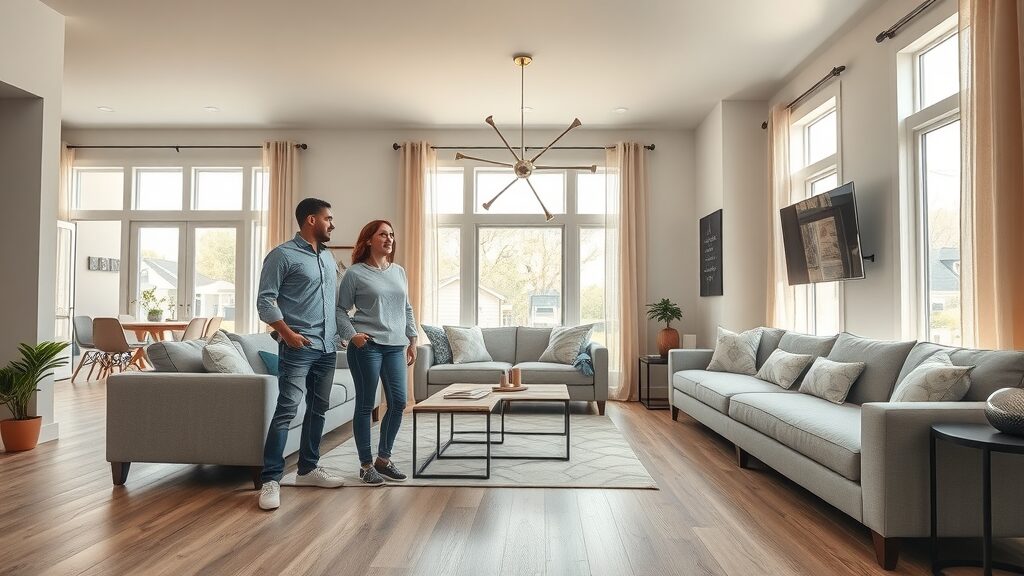
The affordable flooring solutions Missouri market stands out for its unique blend of cost-effectiveness and quality. Compared to other Midwest hubs, Missouri’s flooring installation and material prices are consistently lower, with options such as luxury vinyl, vinyl tile, and laminate coming in at 10–30% below the national average. Recent data shows that families in St. Charles and St. Louis often opt for mid-priced installations—averaging $4 to $7 per square foot—while still enjoying top-tier durability and style.
Yet there’s more to these figures than just initial cost. Homeowners benefit from a competitive network of local suppliers and installers, which fosters better negotiation power and more choice—especially in bustling suburban neighborhoods. That competition has forced manufacturers and flooring retailers to innovate, keeping prices down while expanding lines of plank flooring, luxury vinyl plank , and engineered hardwood floors tailored for Missouri’s climate. For savvy buyers, the market translates to unprecedented access to affordable, attractive, and long-lasting solutions.
If you want a user experience that maximizes style and savings—while accounting for local climate, humidity, and foot traffic—understanding these market trends is your key first step. Up next, we’ll show you how to use this competitive energy to your advantage with practical, actionable advice for your flooring project.
Getting the Most from Affordable Flooring Solutions Missouri
Choosing affordable flooring solutions Missouri doesn’t mean picking the cheapest option off the shelf; it means getting the highest value for your investment. Savvy homeowners know that by evaluating materials like vinyl plank flooring , luxury vinyl tile, and engineered hardwood, you can balance short-term budget with long-term durability and style. Each flooring solution comes with unique pros and cons; for example, luxury vinyl plank and vinyl tile excel in moisture-prone areas, while engineered hardwood brings warmth and tradition to living rooms and bedrooms.
To get the most from your investment, always consider factors beyond price, such as warranty coverage, installation support, and maintenance requirements. Many Missouri installers offer free estimates and consultations—so don’t hesitate to compare, negotiate, and ask for bundled deals (like free underlayment or removal of old floor covering). Ultimately, the smartest buyers take advantage of the competitive Kansas City network by leveraging local expertise to save your preferences in both taste and budget. Whether you’re renovating a single room or the whole house, these steps will help ensure your flooring solution stands the test of time while staying within financial reach.
Comparing Top Flooring Solutions for Missouri Homes
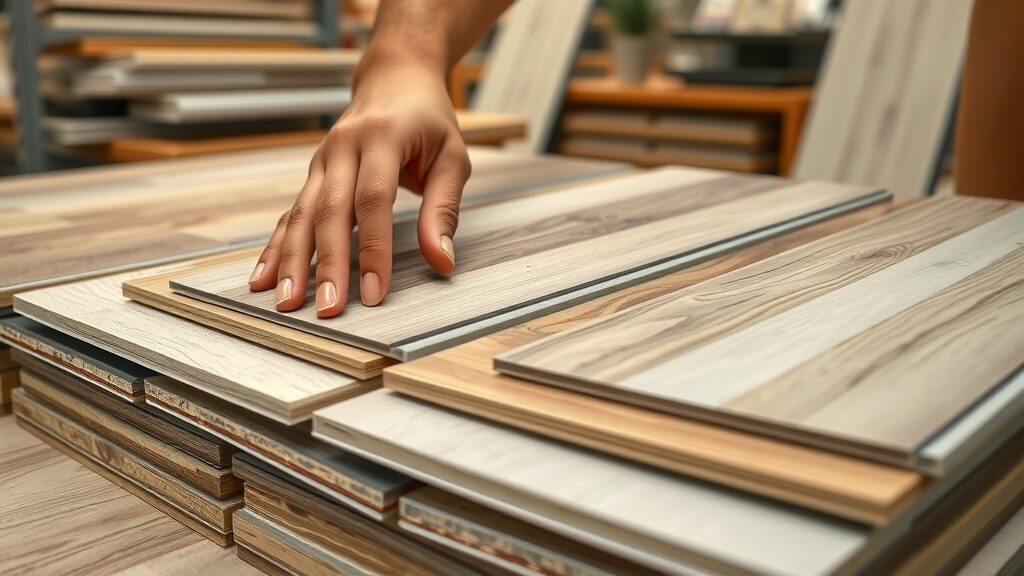
Not all flooring solutions are created equal—especially when it comes to balancing affordability, style, and durability in Missouri’s unique homes. For residents across Kansas City and rural regions, the main contenders are luxury vinyl plank, hardwood floor (both real and engineered), vinyl tile, and laminate. Each flooring solution Missouri families choose needs to withstand humidity, heavy foot traffic, and potential pet or child mishaps, all while remaining easy on the budget.
Let’s break down the strengths and weaknesses of these top choices. Luxury vinyl plank and luxury vinyl tile are beloved for their water resistance, straightforward installation, and realistic wood or stone appearance. Laminate flooring is a close runner-up, offering incredible scratch resistance and improved visuals over past generations. Traditional hardwood brings unmatched warmth and value but may stretch the wallet more than other solutions. Engineered hardwood offers a happy medium, fusing a thin real wood layer to a stable core, typically commanding less cost while offering substantial beauty.
Understanding how these options stack up is critical for a smart flooring purchase. Reference the detailed table below for specifics on cost, longevity, installation ease, and space suitability—guaranteeing your new floor performs functions and pleases the eye, year after year.
|
|
|
|
A comparison table featuring luxury vinyl, hardwood floor, vinyl tile, and laminate flooring |
| Flooring Type |
Average Cost (per sq.ft.) |
Durability |
Installation Difficulty |
Best Use Case |
| Luxury Vinyl Plank / Tile |
$2–$5 |
High (water-resistant) |
Easy (DIY-friendly) |
Kitchens, Bathrooms, Basements |
| Hardwood Floor (Real) |
$5–$10 |
Very High |
Moderate–Hard (pro install recommended) |
Living Rooms, Bedrooms |
| Engineered Hardwood |
$4–$8 |
High (resists humidity) |
Moderate |
Whole Home, Humid Areas |
| Laminate |
$1.50–$4 |
Medium–High (scratch-resistant) |
Easy (DIY possible) |
Bedrooms, Living Rooms |
| Vinyl Tile |
$1–$3 |
Medium (best for low to moderate traffic) |
Easy (DIY possible) |
Rental Units, Quick Updates |
Why Missouri Homeowners Choose Luxury Vinyl and Luxury Vinyl Tile
Luxury vinyl and luxury vinyl tile flooring solutions have seen a surge in popularity across Missouri, with St. Charles homeowners among the top adopters. Why? These options blend the elegant look of genuine hardwood or stone with unbeatable value and durability. Technological advancements have made today’s luxury vinyl practically indistinguishable from the real thing, and it can take on heavy foot traffic, pet mishaps, and Missouri’s seasonal climate shifts without breaking a sweat.
Another reason luxury vinyl stands out for affordable flooring solutions Missouri-wide is its versatility. Homeowners appreciate installation options like click-lock systems and glue-down methods, allowing for both professional and successful DIY projects. Better yet, it’s an especially wise choice for busy families or rental properties, as it resists stains, scratches, and moisture while requiring minimal maintenance. Whether you’re aiming for a warm, rustic ambiance or a sleek modern vibe, luxury vinyl adapts to your lifestyle and saves your preferences for future updates.
Features and Benefits of Luxury Vinyl Flooring Solution
What sets luxury vinyl flooring solutions apart? First, they’re crafted to resemble high-end hardwood or stone but at a fraction of the cost. Second, luxury vinyl is generally waterproof, making it ideal for kitchens, bathrooms, and basements where traditional options might struggle. Most luxury vinyl products come with a thick wear layer, boosting scratch and scuff resistance.
Luxury vinyl’s comfort underfoot is another game-changer. With additional underlayment options, it provides a quieter, cozier surface compared to classic tile. Plus, families report that pets and kids are less likely to slip or harm the surface. Finally, with a variety of styles, wood textures, and installation methods, it’s one of the most versatile flooring solutions for Missouri’s ever-changing lifestyles and spaces.
Affordable Hardwood Floor Options in St. Louis and Beyond
For Missouri residents longing for the beauty and value of hardwood floor without the sky-high price, both solid and engineered hardwood flooring present strong cases. St. Louis and surrounding areas have seen an increase in “spec homes” and remodels featuring engineered hardwood as a standard, affordable flooring solution . These engineered products combine real wood veneers atop stable plywood or HDF cores, translating to more stability in humid Midwestern climates—and a friendlier price tag.
If you’re set on real wood’s unmatched charm and resale value, consider opting for locally sourced species and finishes that are often more budget-friendly and readily available. Many reputable Missouri flooring showrooms offer deals on overstocked or last-season hardwood, meaning you can snag top-tier quality at a fraction of the normal cost. Either way, with smart shopping and a bit of flexibility on species or color, gorgeous hardwood floors are within reach for budget-minded residents throughout Missouri.
Choosing Real vs. Engineered Hardwood for Missouri’s Budget-Minded Residents
The debate between real and engineered hardwood floors often comes down to cost, durability, and moisture resistance. Solid hardwood is the classic pick for luxury and long-term resale value, but it can be pricier and sensitive to humidity. Engineered hardwood offers a savvy compromise, providing the look of real wood with advanced stability and easier installation (sometimes even as a floating floor).
Missouri homeowners often select engineered hardwood for basements, kitchens, or areas with fluctuating moisture. It delivers nearly the same visual warmth and charm of solid wood, typically at 20-40% lower cost. Depending on wear layer thickness, many engineered options can be sanded and refinished at least once—extending floor life and your investment value. By carefully weighing each factor, you’ll find a hardwood flooring solution that fits your style, usage, and budget.
Vinyl Tile & Laminate: Versatile Choices in Affordable Flooring Solutions Missouri
Laminate and vinyl tile are two of Missouri’s go-to options for quick, cost-friendly renovations. Laminate flooring now features much improved visuals and better water resistance compared to the older generations you might recall—making it a top pick for bedrooms, playrooms, or home offices. Its click-together plank system means easy DIY installation, cutting down both time and labor costs.
Meanwhile, vinyl tile remains the secret weapon of value-conscious landlords and home renovators. Fast installation, a huge variety of designs, and very little prep required all translate to minimal downtime and disruption for your household. For those tackling apartments, rental units, or tight budgets, both these flooring solutions stand out as adaptable, affordable, and high-impact ways to transform a space.
Is Vinyl Tile Still the Best Kept Secret for Budget Homes?
Absolutely. Despite new arrivals in the market, vinyl tile continues to deliver unmatched value thanks to its low upfront cost, variety of looks, and simple maintenance. If you want a fresh floor without a hefty investment, vinyl tile remains a favorite for entryways, mudrooms, kitchens, and even entire apartments. Its peel-and-stick options require only standard tools, making it ideal for quick DIY weekend projects.
Vinyl tile also has environmental advantages. Many brands now offer recycled content or low-VOC products, supporting Missouri residents searching for healthier, eco-friendly homes. While not as robust as luxury vinyl plank, vinyl tile is budget-friendly, easy to replace, and a proven performer. That’s why savvy homeowners and investors keep returning to this reliable flooring solution year after year.
How to Select Flooring Solutions in Missouri: Key Criteria for Shoppers
When evaluating affordable flooring solutions Missouri offers, don’t let savings blind you to essential quality and lifestyle factors. The right floor should serve both form and function—fitting Missouri’s climate, your family’s lifestyle, and your cleanup routine. Here are the must-check criteria.
- Durability for Missouri’s climate
- Lifestyle and foot traffic
- Allergy and pet considerations
- Maintenance requirements
- Aesthetic fit for your home
- Budget and installation cost
Each of these criteria helps you save your preferences and make a smart, sustainable investment. Consult local flooring pros who can help you compare, test, and demo real samples—ensuring your final pick stands up to everyday life and keeps performing for years to come.
The St. Louis Advantage: Local Flooring Expertise That Saves You More
One of the biggest advantages in Missouri’s market is local expertise—especially in Kansas City, where savvy installers and showrooms help you stretch your flooring dollars further. Local professionals know which flooring solutions best handle Missouri’s humidity, local allergens, and the specific needs of busy city or suburban families. Plus, they often source materials directly from manufacturers, passing savings and exclusive deals along to you.
Working with local experts ensures a seamless process, from free consultations and transparent quotes to expert installation and post-project support. Look for flooring stores and installers who prioritize great service, stand by their warranties, and have strong reviews from fellow Missouri homeowners. This guidance can make all the difference in picking the right floor covering for your home and saving money in the long run.
Partnering with Missouri’s Trusted Flooring Installers
Forming a partnership with a reputable local installer does more than guarantee proper fit and finish; it unlocks bundled discounts, design expertise, and aftercare support not always found online. In St. Louis and throughout Missouri, many top flooring professionals offer robust guarantees, insurance, and even help disposing of old flooring materials. This hands-on support is invaluable—especially when tackling projects involving high-traffic common areas or larger residential upgrades. A trusted partner keeps your timeline on track, ensures results meet the highest standards, and can even refer you to the best deals on luxury vinyl, hardwood floor, and plank flooring options.
What Is the Cheapest Flooring Option on a Budget?
The most budget-friendly flooring solution available in Missouri is often peel-and-stick vinyl tile . At just $1–$2 per square foot—even less if you buy in bulk or during clearance sales—vinyl tile is unbeatable for quick fixes, rental updates, and high-turnover properties. It combines fast installation, decent durability, and impressive visuals, making it a smart pick for those looking to save up front while still enjoying a fresh, stylish floor covering. Paired with smart maintenance, even budget options can last and boost your home’s look.
Other wallet-friendly picks include basic laminate and sheet vinyl flooring, especially if you can handle installation yourself. Always consider available warranties, scratch resistance, and the environment your floor will face (kids, pets, moisture) when choosing the cheapest solution for your needs.
What Is the Cheapest Way to Get Flooring Done?
The absolute lowest-cost route for Missouri residents is the do-it-yourself approach using peel-and-stick vinyl tile , laminate, or sheet vinyl—which require minimal tools and little professional expertise. By cutting out professional labor charges, you can install a 200 square foot room for less than $500 in material. Many local Kansas City stores even host free DIY workshops or lend tools to customers, saving you more on both up-front and hidden costs.
If you prefer a professional finish, contact local installers for no-obligation quotes, group discounts, or end-of-season sales. Some reputable companies offer bundled packages, including underlayment, delivery, and post-installation clean-up, to help Kansas City and Missouri shoppers stick to their budgets without missing out on great service or stellar results.
What Is the Cheapest Flooring You Can Get?
The cheapest flooring you can get is typically sheet vinyl or entry-level peel-and-stick vinyl tile, priced at about $0.99–$1.50 per square foot before installation. These flooring solutions are perfect for basic sprucing up, especially in apartments, basements, or laundry rooms. For slightly more, laminate or floating plank flooring gives a wood-like appearance with improved durability, often for under $2 per square foot with easy, DIY-friendly installation.
Don’t overlook closeout deals or overstock specials at Kansas City and Missouri flooring warehouses—these can knock 20–50% off big brand floors, leaving more in your pocket for décor or future upgrades.
What Is the Cheapest Longest Lasting Flooring?
For affordable, long-lasting results in Missouri homes, luxury vinyl plank is widely recognized as the best bet. It boasts water resistance, excellent scratch and stain toughness, and a lifespan of 15–20 years—even with heavy daily wear. Today’s advanced manufacturing ensures rich visuals without breaking the bank, and warranties protect your investment for years.
Laminate flooring is another strong performer, especially for bedrooms or spaces with moderate foot traffic, offering 10–15 years of reliable service when properly maintained. If you want floors that combine budget savings with lasting quality, these modern solutions are proven performers—and will keep your bank account, and your feet, happy for years.
Real Experiences: Homeowners on Affordable Flooring Solutions Missouri
There’s nothing more reassuring than hearing from fellow Missourians who have transformed their homes with affordable flooring solutions Missouri brands and installers. Here are authentic experiences that highlight what you can expect:
“We installed luxury vinyl tile in our Kansas City kitchen—affordable, stylish, and holding up beautifully after two years.” – Missouri homeowner, 2023
Customers consistently report that luxury vinyl and laminate deliver the best value on quality, appearance, and longevity. Local pros get high marks for clear communication, great service, and knowledgeable guidance—ensuring a user experience that makes every time you visit the showroom or website you find real insight and inspiration.
FAQs: Everything Else You Should Know About Affordable Flooring Solutions Missouri
- Can I get free consultations for affordable flooring solutions in Missouri?
Many local showrooms and Kansas City professionals offer free on-site or virtual consultations, letting you explore options, compare samples, and receive no-pressure quotes tailored to your space and budget.
- What are the lead times for St. Louis flooring projects?
Typical lead times range between 1–3 weeks, depending on material choice and installer availability. Advance planning ensures your floors are ready for big events or renovation deadlines—always check with your chosen provider.
- How do I maintain and clean my new affordable floors?
Most modern flooring solutions require just simple sweeping and occasional damp mopping. Avoid harsh abrasives or soaking—especially with laminate or vinyl plank flooring—to preserve their look and warranty.
- Are there eco-friendly options among affordable flooring solutions Missouri?
Absolutely; look for low-VOC laminates, recycled-content vinyls, and responsibly sourced engineered hardwood. Many St. Louis suppliers stock green flooring options to support healthy indoor air and environmental responsibility.
Key Takeaways for Affordable Flooring Solutions Missouri Shoppers
- Balance your budget and style with luxury vinyl and laminate
- Leverage local St. Charles County, MO experts for better support and pricing
- Pick materials that suit your lifestyle, longevity, and maintenance needs
Start Your Affordable Flooring Solutions Missouri Project Today
Ready to upgrade your home without overspending? Have questions about your flooring project? Speak with a friendly pro—call at (636) 244-4951 or browse our work at www.hometownfloorsonline.com .
You can find cost-effective flooring solutions that align with your style preferences and budget, ensuring a successful home renovation project.
Flooring Installation Services in O’Fallon, St. Charles County & Surrounding Areas
HomeTown Floors is proud to serve homeowners and businesses with professional flooring installation, hardwood, vinyl plank, carpet, and tile services throughout O’Fallon, St. Charles County, and the Greater St. Louis area. Our service areas include Ballwin, Chesterfield, Des Peres, Eureka, Fenton, Frontenac, Innsbrook, Jefferson County, Kirkwood, Lincoln County, Manchester, St. Charles, St. Peters, Sunset Hills, Town & Country, Union, Washington, Weldon Spring, Wentzville, and Wildwood.
We specialize in flooring design consultations, product selection, and expert installation to give your home or business a beautiful, long-lasting finish. Trust HomeTown Floors for 5-star flooring service and local expertise that sets us apart in Missouri.
by Tony Foulon | Before & After Project Spotlights
- Did you know over 70% of homeowners plan to renovate their floors in 2025? Discover which flooring trends 2025 are transforming homes nationwide and how to make your interiors stand out.
Flooring Trends 2025: The Top 15 Ideas for Fresh Home Style
- Learn how flooring trends 2025 can elevate your space, explore practical design choices, and see real-life examples of trending floors for every home style.
Flooring trends 2025 are setting the stage for a wave of home transformations, letting homeowners redefine their living spaces with both style and practicality. Whether you crave the timeless allure of natural stone , the warm embrace of a wood floor , or the innovation found in luxury vinyl plank , the best top flooring trends combine durability, beauty, and sustainability. Across modern spaces, shifting color palettes, unique textures, and wider planks are popping up, as homeowners favor wood flooring options and large format tiles that anchor open-concept living rooms and kitchens alike.
In 2025, the focus is on interior design that blends comfort with function, highlighted by sustainable flooring and inventive materials like format tiles featuring bold grout lines with minimal maintenance. New flooring options are emerging for every style and budget, ensuring every flooring project can become a true focal point of your home. Let’s discover the essential flooring trends 2025 bringing value, charm, and innovation to households nationwide.
Why Flooring Trends 2025 Matter for Modern Spaces
- Explore how the latest flooring trend influences home value and interior design aesthetics, highlighting top flooring choices for 2025 and the reasons they’re in vogue.
Choosing the right flooring trend in 2025 is about more than just aesthetics—it’s about adding tangible value to your home and enhancing your everyday comfort. Homeowners are increasingly leveraging flooring trends to craft inviting modern spaces that balance personal taste and long-lasting performance. For example, luxury vinyl and vinyl plank floors capture the look of stone tile and wood floor at a budget-friendly price, while providing superior scratch and moisture resistance for busy lifestyles.
Not only do these top flooring trends make interiors feel more expansive and cohesive, but they also boost resale value by keeping your home up-to-date with current interior design preferences. A natural stone foyer or a porcelain tile kitchen can provide a luxurious entry point that leaves a lasting impression on visitors and potential buyers alike. Meanwhile, options like sustainable flooring and wide plank wood tones reflect growing environmental consciousness and help improve indoor air quality for healthier living. By understanding the role flooring options play, you can invest wisely, choosing the materials that support your vision and your household needs.
Flooring Trend #1: Natural Stone – Timeless Beauty Meets 2025 Innovation
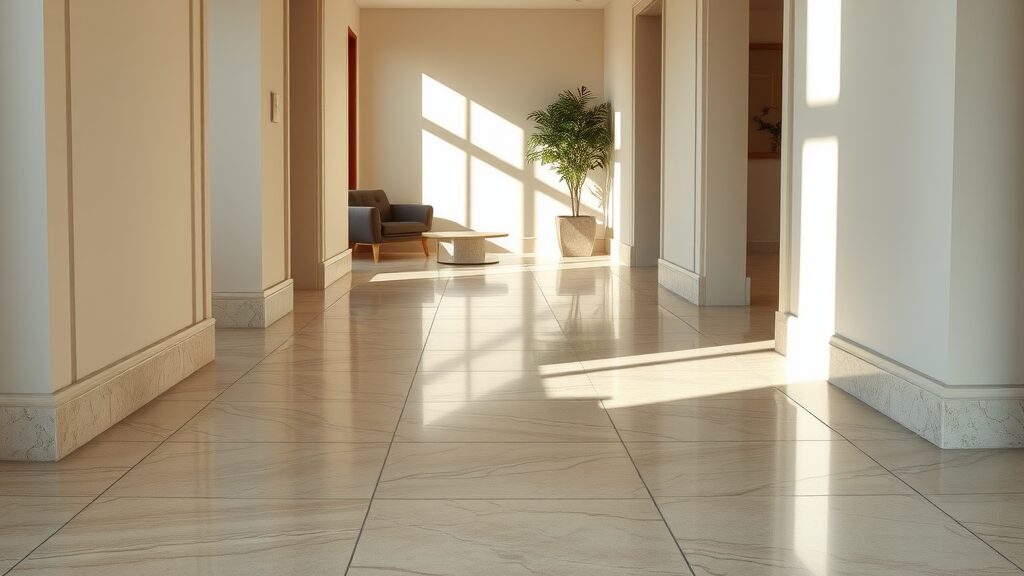
- Dive into how natural stone remains a key flooring trend in 2025, balancing classic appeal with modern application, and review available options for various budgets.
The allure of natural stone as a leading flooring trend in 2025 stems from its remarkable ability to combine classic elegance with cutting-edge function. High-traffic areas like hallways and living rooms benefit from the durability of stone tile, which stands up to daily wear while adding a sense of permanence and luxury. Fresh innovations in extraction, treatment, and finishing processes allow homeowners to personalize their stone floor—from honed marble and glossy granite to travertine in warm tones that reflect contemporary style trends.
You’ll find that natural stone fits nearly every budget, as technology brings down the cost of premium materials and introduces new composite options. These advancements make it easier to pair stone with sleek minimalist furniture, indoor greenery, or neutral palette color schemes, transforming every foyer and bathroom into a statement of natural beauty . If you’re seeking a floor that’s as functional as it is visually stunning, stone tile offers unmatched versatility, becoming a timeless yet on-trend focal point for any room.
Flooring Trend #2: Wood Flooring – Elevating Wood Floor Looks in 2025
- Unpack emerging wood floor innovations and finishes that define wood flooring for 2025, including bold grain patterns and wide plank styles.
Wood flooring maintains its reputation as a favorite flooring option year after year, but in 2025, it gains new momentum with bold approaches to color, pattern, and plank size. Designers and homeowners alike are gravitating toward wide plank wood floor installations, which highlight dramatic grain and natural textures, making the floor itself a focal point of any space. Whether engineered or solid hardwood flooring, finishes in richer wood tones —from pale oaks to deep walnuts—are making statements in modern spaces that emphasize comfort and sophistication.
Unique installation patterns like herringbone and chevron add movement and visual intrigue, especially when juxtaposed with minimalist décor. Advances in finishing technologies improve durability against scratches and spills, ensuring your floors remain beautiful for years even in busy family settings. Many homeowners are also exploring reclaimed wood for its sustainability and one-of-a-kind look. With these innovations, wood flooring continues to be a top flooring choice for those who desire warmth and timeless elegance, but also wish to showcase the latest in flooring trends 2025.
Flooring Trend #3: Luxury Vinyl and Vinyl Plank – The 2025 Revolution
- Examine luxury vinyl plank and vinyl plank as sought-after flooring trends, comparing durability, realism, and affordability in 2025’s leading formats.
Luxury vinyl plank and traditional vinyl plank flooring have rapidly cemented their place among the top flooring trends for 2025, offering an unbeatable blend of style, strength, and ease of installation. These floors convincingly imitate the look of stone tile and wood floor—right down to realistic grain textures and grout lines—appealing to homeowners who want a chic appearance without the premium cost of natural materials. In open-concept homes or kitchens, vinyl plank stands up to moisture, spills, and daily wear with ease, making it a smart choice for families and pet owners.
As an added bonus, advances in luxury vinyl technology mean that even large format options are available for seamless looks, reducing the need for excessive seams or grout maintenance. The affordability of these flooring options means stylizing your living room, hallway, or basement doesn’t have to break the bank. In 2025, expect to see luxury vinyl and vinyl plank flooring continue to rise as primary picks for homeowners seeking design-forward, robust, and low-maintenance solutions aligned with the evolving flooring trends 2025.
Flooring Trend #4: Sustainable Flooring – Eco-Friendly Choices Redefined
- Discover the rise of sustainable flooring as households demand greener flooring option alternatives in 2025—from bamboo to recycled content.
As environmental awareness shapes decisions for modern spaces , sustainable flooring has become one of the most important flooring trends 2025 . The current wave of eco-friendly options features everything from rapidly renewable bamboo and cork to recycled wood, rubber, and stone composites. These flooring alternatives reduce environmental impact without sacrificing beauty or durability, helping homeowners create greener homes with authentic, unique style.
Sustainable flooring options now offer sophisticated wood tones, natural textures, and even waterproof finishes fit for busy households. These floors are, by design, healthier for you—manufactured with low-VOC adhesives and finishes that improve indoor air quality. Homeowners opting for sustainable flooring often find it easier to match these versatile looks to various room styles, from sleek urban apartments to cozy family homes. In 2025, expect eco-conscious materials to continue shaping home design, proving that style, quality, and sustainability can coexist beautifully.
Flooring Trend #5: Porcelain Tile and Large Format Tiles

- Analyze why porcelain tile, large format tile, and format tiles top the list of flooring trends for modern homes in 2025.
Porcelain tile and large format tile options are surging in popularity for modern spaces focused on clean lines and seamless flow. In 2025, porcelain tiles bring new dimensions to kitchens, bathrooms, and entryways—with massive sizes reducing grout lines and making maintenance almost effortless. Their innovative digital printing technology allows them to mimic natural materials like marble, slate, or wood grain at a fraction of the cost, making stunning visual statements throughout the home.
For those looking to infuse luxury into daily living, flooring options like polished, patterned, and matte porcelain tiles offer safety-enhancing slip resistance and long-term resilience to spills, scratches, and heavy foot traffic. Large format tiles aren’t just practical—they create the illusion of more expansive rooms, echoing the open-concept preferences of today’s homeowners. Homes seeking a modern, spa-like feel frequently opt for porcelain tile as a future-proof investment among top flooring trends 2025.
Flooring Trends 2025 Table: Quick Comparison of Top Flooring Options
| Feature |
Natural Stone |
Wood Flooring |
Luxury Vinyl |
Vinyl Plank |
Porcelain Tile |
Sustainable Flooring |
| Aesthetics |
Elegant, Timeless |
Warm, Classic |
Realistic, Versatile |
Durable, Easy |
Modern, Sleek |
Eco-Friendly, Stylish |
| Durability |
High |
Medium-High |
High |
High |
Highest |
Medium-High |
| Cost |
$$$$ |
$$$ |
$$ |
$-$$ |
$$-$$$ |
$$ |
| Maintenance |
Moderate |
Moderate |
Low |
Low |
Low |
Moderate |
“What You’ll Learn from Flooring Trends 2025”
- Top flooring trends for 2025
- How to select the best flooring option for your needs
- Pros and cons of each trend
- Design inspiration for modern spaces
- Expert recommendations and real customer experiences
Expert Insights: Quotes on Flooring Trends 2025
“In 2025, the flooring trend is all about combining sustainability, durability, and luxury in every room.” – Interior Design Weekly
“Luxury vinyl and natural stone are topping the charts as top flooring trends for both style and practicality.” – Home Renovation Magazine
Top 10 Flooring Options for 2025: Quick-Glance List
- Natural Stone
- European Oak Wood Flooring
- Luxury Vinyl Plank
- Engineered Wood Floor
- Porcelain Tiles
- Bamboo Sustainable Flooring
- Polished Concrete
- Cork Flooring
- Recycled Rubber Tiles
- Patterned Large Format Tiles
People Also Ask: What flooring is in style in 2025?
- In 2025, flooring trends are leaning toward sustainable options, luxury vinyl plank, porcelain tiles, and wide-format wood flooring with natural finishes.
Flooring options like luxury vinyl, vinyl plank, sustainable flooring, and porcelain tiles with broad planks or tiles and authentic-looking finishes are defining the modern home style in 2025. Natural stone and engineered wood floors are also staple choices for those looking for a high-end, classic look with exceptional durability. The emphasis on water resistance and easy maintenance is pushing homeowners to opt for materials that balance trendiness with practicality.
Eco-friendly flooring like bamboo and cork are gaining traction because of their sustainability credentials, while large format tiles and wide plank wood flooring make small spaces look grander and more unified. In open-concept living areas, these flooring options create seamless transitions and timeless elegance, aligning with the shifting preferences of style-conscious homeowners.
People Also Ask: What are the trends in flooring 2026?
- For 2026, experts predict the rise of technology-enhanced smart floors, water-resistant natural wood flooring, and expanded choices in sustainable flooring options.
Looking ahead to flooring trends 2026 , technology is set to revolutionize the world of floors even further. Expect the emergence of smart floors capable of detecting spills, footprints, or even adjusting to temperature settings for enhanced comfort. Innovations in waterproofing natural wood and engineered wood floors will provide greater versatility for kitchens and bathrooms—areas traditionally challenging for natural materials.
The sustainable flooring movement is also expanding with new materials leveraging advanced recycling processes and biodegradable additives. Homeowners will enjoy greater customization and health benefits as low-VOC adhesives and air-purifying finishes become standard. As these trends gain momentum, flooring projects will increasingly prioritize both intelligent design and environmental responsibility.
People Also Ask: Is laminate flooring better than vinyl in 2025?
- Laminate flooring offers realism and durability, but in 2025, vinyl plank flooring outpaces it in water resistance, design variety, and comfort.
While laminate flooring is recognized for its authentic look and affordable price, vinyl plank flooring edges ahead as a top flooring trend in 2025—especially for areas prone to moisture like kitchens and basements. Vinyl plank’s high water resistance, softer underfoot comfort, and diverse range of finishes—mimicking everything from stone tile to wood grain—have made it a favorite among home renovators. Its ability to be installed seamlessly over various subfloors also adds to its versatility.
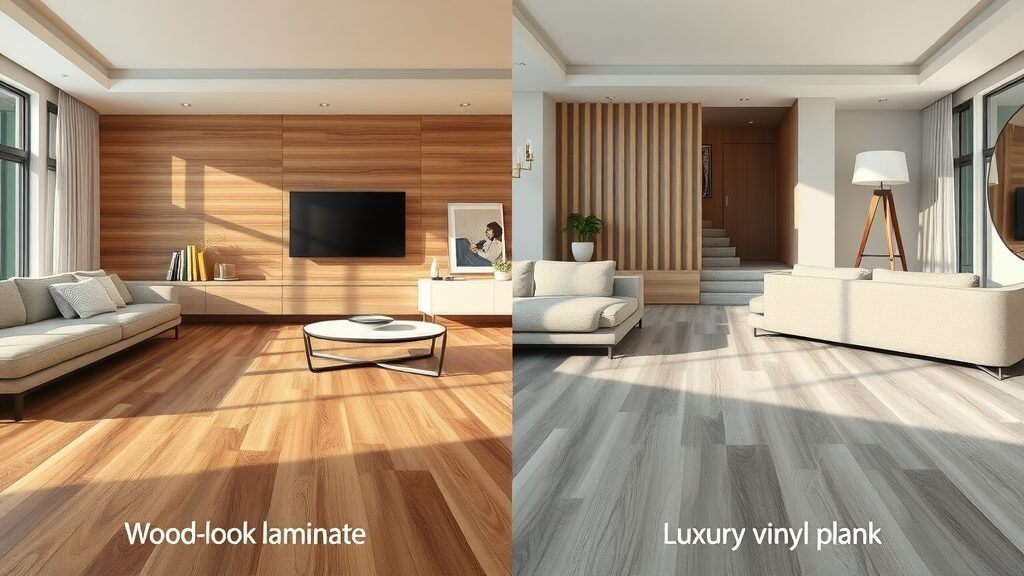
Additionally, luxury vinyl and vinyl plank withstand everyday wear in busy households, providing surefooted durability that stands the test of time. While laminate may still be practical for bedrooms or low-traffic areas, for most uses in 2025, homeowners choose vinyl plank for its low maintenance and expansive styling options.
People Also Ask: What kind of carpet is in style for 2025?
- Carpet trends for 2025 focus on plush textures, bold colors, and recycled-content sustainable fibers, perfectly complementing other flooring options.
The carpet segment is experiencing its own revival with plush textures and eye-catching hues anchoring trendy living rooms, bedrooms, and dens. Deep-pile, soft-touch options are increasingly being produced with recycled synthetic or natural fibers to align with sustainable flooring priorities. These carpets not only enhance comfort and insulation in colder climates but also serve as a vibrant contrast to smooth materials like wood floors or porcelain tile.
Patterned designs in chevron, herringbone, or geometric motifs are especially sought after by homeowners who wish to make a bold style statement. Such choices integrate effortlessly with the neutral palette of modern spaces or provide a burst of color in more eclectic interiors, rounding out the flooring options available for every room.
Flooring Trends 2025 FAQs
- What is the most popular flooring trend in 2025?
In 2025, luxury vinyl plank and porcelain tile are emerging as the most popular flooring trends due to their balance of design versatility, robust durability, and easy upkeep. Natural stone and sustainable flooring options follow closely, appealing to homeowners who value both style and eco-friendliness.
- Are luxury vinyl planks environmentally friendly?
Many modern luxury vinyl planks are designed with sustainability in mind, incorporating recycled materials and low-VOC finishes. However, the level of eco-friendliness varies by brand, so it’s important to check for recognized green certifications when selecting your vinyl flooring option.
- Can I mix and match flooring options in an open-plan space?
Absolutely! Blending different flooring trends 2025 within an open-plan home can create impactful zones and enhance overall design interest. Use transitions like coordinated color tones or thresholds to tie the spaces together seamlessly.
- How does sustainable flooring impact indoor air quality?
Eco-friendly and sustainable flooring typically enhances indoor air quality by avoiding harmful chemicals and volatile organic compounds (VOCs) in adhesives and sealants. Opt for certified products and natural materials to enjoy a healthier living environment.
- Step-by-step walkthrough of how to select, install, and maintain flooring trends 2025 for your home.
Choosing the Right Flooring Trends 2025 for Your Home

- Get expert advice on matching flooring trends 2025 to your family’s lifestyle, design preferences, and budget.
Selecting the perfect flooring option means considering not only aesthetics but also how your space is used, your durability needs, and your desired level of maintenance. If you host frequent gatherings, resilient options like luxury vinyl or porcelain tiles are ideal to withstand heavy foot traffic. For families seeking natural beauty and warmth, wood flooring and sustainable materials like bamboo offer comfort and eco-friendliness, while still keeping pace with interior design trends.
Budget-conscious homeowners should consider both initial costs and long-term maintenance demands. Large format tile and vinyl plank are popular because they are affordable upfront and easy to clean, while high-end natural stone might be worth the investment for its longevity in key spaces. No matter your unique needs, collaborating with a flooring specialist can help navigate the wide array of flooring trends 2025 —ensuring you achieve a stylish, lasting result that feels like home.
Ready to Transform? Experience the Latest Flooring Trends 2025
Take the next step: Refresh your home with top flooring trends 2025—for a stylish, functional, and lasting upgrade.
In 2025, flooring trends are embracing sustainability, natural materials, and innovative designs to transform home interiors. To delve deeper into these developments, consider exploring the following resources:
This article highlights key trends such as biophilic design, the use of natural materials, and the resurgence of vintage flooring styles, providing insights into how these elements are shaping modern homes.
This piece explores the popularity of wide and extra-long planks, textured finishes, and neutral tones with a twist, offering practical ideas for homeowners looking to update their spaces.
If you’re serious about staying ahead in home design, these resources will provide valuable insights into the flooring trends that are set to define 2025.
Flooring Installation Services in O’Fallon, St. Charles County & Surrounding Areas
HomeTown Floors is proud to serve homeowners and businesses with professional flooring installation, hardwood, vinyl plank, carpet, and tile services throughout O’Fallon, St. Charles County, and the Greater St. Louis area. Our service areas include Ballwin, Chesterfield, Des Peres, Eureka, Fenton, Frontenac, Innsbrook, Jefferson County, Kirkwood, Lincoln County, Manchester, St. Charles, St. Peters, Sunset Hills, Town & Country, Union, Washington, Weldon Spring, Wentzville, and Wildwood.
We specialize in flooring design consultations, product selection, and expert installation to give your home or business a beautiful, long-lasting finish. Trust HomeTown Floors for 5-star flooring service and local expertise that sets us apart in Missouri.
by Tony Foulon | Before & After Project Spotlights
Did you know over 3 billion square feet of traditional flooring are installed each year, much of it contributing to deforestation and landfill waste? The urgency for sustainable flooring options is more than a passing trend; it’s a critical strategy to preserve our planet and enhance the health of modern homes. This comprehensive guide will walk you through the best eco-friendly flooring options—explaining their impact, comparing costs, and showing you how easy it is to make a change that pays off in both style and conscience.
Shocking Stats: How Choosing Sustainable Flooring Options Impacts Our Planet
- Each year, traditional flooring production accounts for 3 million tons of landfill waste in the U.S. alone.
- Many conventional flooring materials contain volatile organic compounds (VOCs) , which pollute indoor air and worsen respiratory conditions.
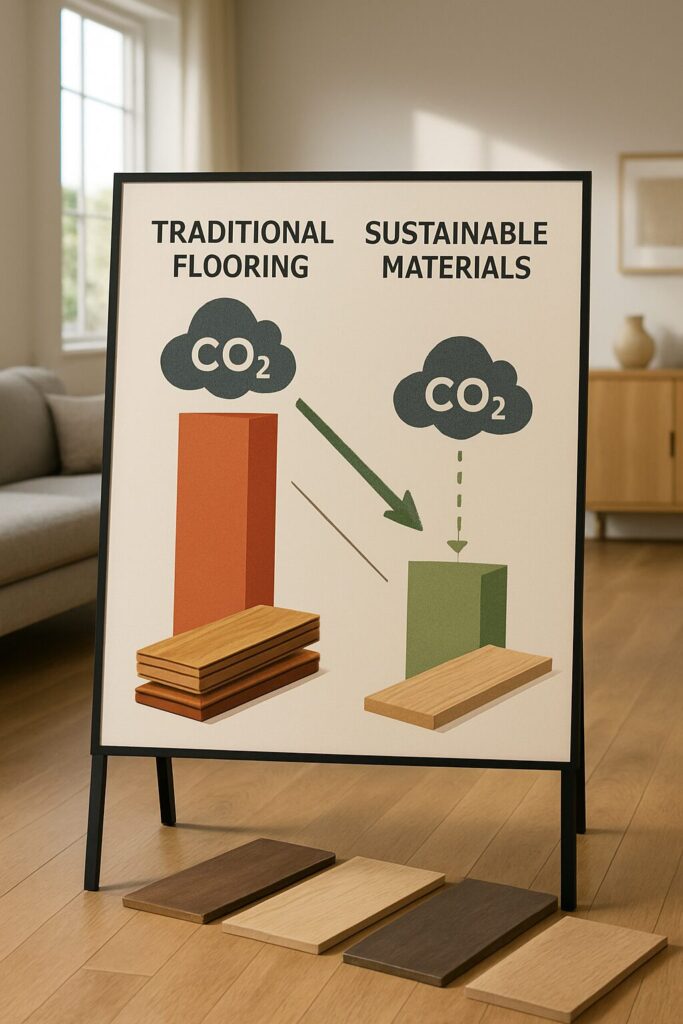
- Switching to green flooring options such as bamboo or cork can lower a home’s carbon footprint by up to 30%, thanks to renewable harvesting methods and low-emission manufacturing.
- Recycled-content flooring options save thousands of tons of post-consumer glass, rubber, or plastic from ending up in landfills each year.
Why Sustainable Flooring Options Matter for Modern Living
- Consumer demand for eco-conscious flooring materials has surged in the past five years, driven by a desire for healthier living spaces and environmental responsibility.
- Sustainable flooring improves indoor air quality, helping families avoid exposure to harsh chemicals found in many traditional floors.
- A wide range of green floor products now meet the needs of allergy-sensitive households and support healthier lifestyles.
“More than 60% of homeowners are now considering eco-friendly flooring options, up from just 25% in 2017.”
As hybrid work and remote living increase, homes have transformed into multi-use sanctuaries—making the choice of flooring material even more crucial. Sustainable options are no longer niche; they’re a standard for anyone seeking a balance of wellness, style, and long-term value in their flooring project.
Eco-Friendly Flooring Options: Paths to Sustainability and Style
Overview of flooring options that meet sustainability standards
There are several sustainable flooring options available that blend durability with eco-friendliness. Whether you’re renovating a modern loft or building a classic family home, sustainable flooring now encompasses a wide range of looks and applications. Popular green floor choices include bamboo flooring , cork flooring , reclaimed hardwood floor , natural linoleum , and a variety of innovative recycled tile and rubber products. Each flooring option supports different aesthetic tastes while reducing harmful impacts on forests and landfills.
- Bamboo Flooring : Rapidly renewable, stylish, and suitable for high-traffic spaces.
- Cork Flooring : Harvested from the bark of the cork oak tree, providing comfort, insulation, and sound dampening.
- Reclaimed Hardwood Floor : Salvaged wood gives a new life to planks that would otherwise be burned or wasted.
- Natural Linoleum : Made from linseed oil, wood flour, and jute, perfect for allergy-prone environments.
- Recycled Tile & Rubber : Transforms post-consumer glass, plastic, and rubber into functional, eye-catching floors.
Comparison of Sustainable Flooring Options
| Material |
Renewability |
Durability |
Cost |
Maintenance |
| Bamboo |
High (matures in 3-5 years) |
Very durable |
$$ |
Easy (sweep & mop) |
| Cork |
High (harvested every 9 years) |
Medium-High |
$$$ |
Moderate (reseal occasionally) |
| Reclaimed Hardwood |
Medium (repurposed wood) |
Very durable |
$$$$ |
Refinish as needed |
| Natural Linoleum |
High (made from natural material) |
High |
$$ |
Easy (wipe clean) |
| Recycled Tile/Rubber |
High (made from recycled materials) |
Medium-High |
$$$ |
Low (very low maintenance) |
Best Bamboo Flooring: A Fast-Growing Favorite Among Sustainable Flooring Options
Why bamboo flooring is a top sustainable flooring material
- Renewable Material : Bamboo grows back after harvesting, reaching maturity within 3–5 years, making it far more sustainable than traditional oak or maple wood floors.
- Appearance : Modern bamboo flooring is available in wide range of shades and grain patterns, fitting both contemporary and classic interiors.
- Durability : Strand-woven bamboo is as strong as (or sometimes tougher than) hardwood flooring, standing up to heavy use and pets.
- Maintenance : Simply sweep and mop with a damp cloth; occasional refinishing restores shine, making it a low-fuss sustainable choice.
The popularity of bamboo flooring is rooted in its exceptional balance between style, toughness, and environmental stewardship. As a highly renewable resource, bamboo helps reduce pressure on forests and provides a sleek alternative to conventional wood flooring options. The natural warmth of bamboo planks invites both comfort and sophistication into any home seeking a sustainable option for floors.
Cork Flooring: Resilient and Renewable Sustainable Option
Advantages of cork flooring for green flooring projects
- Comfort & Cushioning : Cork is harvested from the bark of the cork oak tree, providing a springy feel and natural give, reducing fatigue for standing or playing households.
- Insulation & Acoustics : Cork’s cellular structure offers excellent temperature insulation and acoustic dampening, making it ideal for bedrooms, home offices, and media rooms.
- Recyclability : Made from sustainable cork oak forests, cork flooring can be easily recycled or upcycled after its useful life.
Cork flooring has emerged as a green floor favorite. It’s harvested without harming the cork oak tree, supporting managed forests and local ecosystems. In addition to being a renewable and recyclable flooring material , cork floors feel gentle on joints, buffer household noise, and help families maintain comfortable indoor temperatures throughout the year. This makes cork a versatile, allergy-friendly sustainable flooring option well-suited for family living.
Hardwood Flooring: How to Source Truly Sustainable Wood Floors
Certification and responsible sourcing of hardwood flooring
- Look for FSC-certified or Forest Stewardship Council labels to ensure your wood flooring comes from responsibly managed forests.
- Choose flooring options made with non-toxic adhesives and finishes to reduce volatile organic compounds in your home.
- Confirm that the manufacturer uses sustainable harvesting and replanting practices for lasting environmental impact.
When considering new hardwood flooring , responsible sourcing is essential. Certifications like the Forest Stewardship Council guarantee wood floors originate from forests that maintain biodiversity, regenerate naturally, and support local communities. Homeowners can also seek reclaimed hardwood or products made from rapidly renewable wood species, further reducing pressure on endangered habitats. Selecting sustainably sourced hardwood floor promotes transparency and eco-accountability in any flooring project.
Natural Linoleum: Surprising Benefits in Sustainable Flooring Material
- Comprised mainly of linseed oil (from flax plants), natural linoleum is fully biodegradable and contains zero petrochemicals.
- Boasts impressive resistance to wear, dents, and scratches, making it a favorite for kitchens, mudrooms, and play spaces.
- Comes in an array of vibrant colors and patterns, perfect for creative spaces and design-forward environments.
- Low-maintenance and naturally antimicrobial—an excellent green floor for allergy- and asthma-prone households.
 Despite its vintage reputation, natural linoleum has made a stylish comeback as an eco-friendly floor. It’s composed of rapidly renewable ingredients—including wood flour, cork dust, and jute—making it a top sustainable flooring material . From creative kitchens to energetic playrooms, natural linoleum’s resilience, variety, and safety deliver benefits hard to match with synthetic products.
Recycled Flooring Options: Tiles, Carpet, and Rubber for True Circular Design
How recycled glass, plastic, and rubber floor products transform waste into style
- Recycled Glass Tile : Shimmering mosaics made from post-consumer bottles offer a unique, high-impact look.
- Recycled PET Carpets : Durable carpets created from used plastic water bottles keep millions of pounds of plastic out of landfills.
- Recycled Rubber : Tough, forgiving, and perfect for home gyms or playrooms; made from old tires and sporting shoes.
 The latest recycled flooring options allow you to create show-stopping interiors that champion circular design. Whether you want expressive mosaic floors for creative spaces or resilient surfaces for active households, recycled-content flooring provides beauty and peace of mind. Each choice contributes to fewer resources extracted, less energy consumed, and a meaningful reduction in landfill waste.
What Makes Flooring Material Truly Green?
- Look for third-party certifications such as LEED , Greenguard , and FloorScore to ensure products meet strict environmental and health guidelines.
- Read eco-labels closely: they reveal renewable content, emission levels, and recyclability.
- Opt for flooring material manufactured using renewable energy and minimal chemicals.
“Choosing sustainable flooring means supporting cleaner air, healthier homes, and a safer future for our children.”
True sustainable flooring is defined by more than just recycled or renewable material. It involves the full product lifecycle—from how raw materials are harvested, to indoor air emissions, to end-of-life recyclability. Ethical manufacturing, transparency in the supply chain, and trusted certifications ensure your new green floor is a genuinely sustainable choice, not just a marketing catchphrase.
Aesthetic Versatility: Sustainable Flooring Options for Every Interior Design
- Eco-friendly floors are now crafted in virtually every color, plank size, texture, and pattern, suitable for rustic, industrial, or minimalist spaces alike.
- Many flooring material options—like cork, bamboo, and recycled tile—are available in custom finishes, allowing you to curate a personal look.
- Sustainable flooring options pair beautifully with natural materials in furnishings, enhancing an organic, cohesive style throughout your home.
Designers and homeowners agree: sustainable flooring options offer a level of versatility and creativity previously lacking in green floor products. Whether your taste leans boho, modern, or traditional, there’s a flooring option out there to enhance your vision, all while supporting planetary health.
Cost vs. Value: Are Sustainable Flooring Options Really Affordable?
- Although certain sustainable flooring options come with higher initial costs, they generally offer greater longevity and lower lifetime expenses than many conventional flooring materials .
- Green floors can increase home resale value due to growing eco-conscious consumer demand.
- Many options—like bamboo and cork flooring—require less frequent replacement, reducing total investment over decades.
Upfront vs. Lifetime Costs: Sustainable Flooring Materials
| Flooring Option |
Upfront Cost (per sq. ft.) |
Expected Lifetime (years) |
Maintenance Cost |
Resale Value Impact |
| Bamboo Flooring |
$5-8 |
20-30 |
Low |
High |
| Cork Flooring |
$6-10 |
25+ |
Low-Moderate |
Medium-High |
| Natural Linoleum |
$5-7 |
40+ |
Low |
Medium |
| Recycled Tile |
$8-15 |
50+ |
Very Low |
High |
| Reclaimed Hardwood Floor |
$10-20 |
50+ |
Variable |
Very High |
Savvy homeowners recognize that the slight premium paid for sustainable flooring pays off through fewer replacements, less health risk, and the ability to command higher offers at resale—making these green flooring options a practical financial decision as well as an ethical one.
Installation and Maintenance Tips for Your Sustainable Flooring Options
- Assess your project: Consider subfloor type, humidity, usage, and aesthetic before choosing a flooring option .
- Consult professionals or use easy click-lock systems for DIY-friendly green floor installations.
- Choose low-VOC adhesives and underlayments made from recycled materials to limit environmental impact during floor installation.
Easy cleaning and care guidance for each green floor material
- Bamboo: Sweep regularly, mop with a lightly dampened cloth, and avoid excess moisture.
- Cork: Clean with gentle pH-neutral soaps, reseal every few years to prevent moisture damage.
- Linoleum: Use mild soap and water; avoid harsh chemicals and ammonia-based cleaners.
- Recycled Tile & Rubber: Vacuum or damp mop as needed; these require minimal ongoing care.
Whether you’re working with bamboo, cork flooring, or another sustainable flooring option , maintaining your investment is easy with the right products and techniques. Look for cleaning supplies labeled as non-toxic, biodegradable, and safe for children and pets to ensure your green floor remains a healthy surface for years to come.
Green Flooring Innovations: Emerging Trends in Sustainable Flooring
- Use of low-emission adhesives for safer installations and prolonged indoor air quality.
- Digitally printed tiles mimic exotic stone or rare hardwood while using far fewer resources.
- Recycled-content underlayments add comfort and efficiency to every flooring project .
- Smart home integrations allow for temperature and moisture monitoring, extending the lifespan of your sustainable flooring options .
As technology evolves, so do the possibilities for green flooring . Homeowners can now enjoy high-style surfaces with intelligent features, all while supporting a more sustainable, circular economy in flooring material production.
Choosing Sustainable Flooring Options: Step-by-Step Guide
- Identify the room’s needs: durability, moisture resistance, comfort, and style preferences.
- Set a realistic budget for initial purchase and professional installation if needed.
- Research sustainably certified products—look for LEED, Greenguard, FSC, or FloorScore labels.
- Compare material pros and cons (see tables above) to narrow your selection.
- Consider maintenance and long-term care requirements for each flooring option .
- Request samples and consult with eco-conscious flooring experts before placing your order.
Making informed choices about sustainable flooring options doesn’t have to be overwhelming. This checklist simplifies the process, ensuring that every project contributes to a healthier home and planet without sacrificing comfort or design.
People Also Ask: Sustainable Flooring Questions Answered
What is the least toxic type of flooring?
- Solid hardwood flooring, natural linoleum, and cork are considered the least toxic flooring options when verified by independent certifications such as Greenguard and FloorScore.
- These materials contain minimal volatile organic compounds and are finished with natural oils or water-based sealers, reducing chemical exposure in the home.
What is the ideal flooring for their environment?
- For humid climates, bamboo flooring resists swelling and shrinking better than many hardwood floor species.
- Cork flooring is great for homes needing sound absorption and warmth.
- For allergy-prone families or kitchens, natural linoleum provides a hypoallergenic, easy-to-clean surface.
What is the best flooring for energy efficiency?
- Cork delivers top-notch insulation, maintaining consistent indoor temperatures and cutting heating costs.
- Carpets made from recycled PET also provide warmth and efficiency in colder rooms.
- Paired with dual-paned underlays, wood flooring options retain heat very efficiently.
What is the best no maintenance flooring?
- Engineered bamboo flooring , sealed linoleum , and recycled tile are the most durable and low-maintenance sustainable flooring options, requiring only occasional sweeping and minimal upkeep.
FAQ: Practical Insights Into Sustainable Flooring Options
- How long does sustainable flooring last? Quality green floor products, like bamboo, cork, and natural linoleum, can last 20-50 years or more with proper care—sometimes longer than standard carpet or laminate.
- Are sustainable floors good for pets? Bamboo and recycled rubber floors are especially pet-friendly, resisting scratches and stains while offering easy cleaning.
- How resistant are these floors to allergies? Most sustainable flooring material options are naturally hypoallergenic, and they don’t harbor dust mites or mold, unlike wall-to-wall carpet made from synthetic fibers.
- Are green flooring options difficult to install? Many products incorporate click-and-lock designs, but if not, certified eco-friendly installation experts can ensure a hassle-free experience with appropriate adhesives and underlays.
Success Stories: Homeowners Who Chose Sustainable Flooring Options
- After upgrading their home with cork flooring, a young family from St. Louis reported, “The kids’ allergies disappeared, and the entire house feels quieter and warmer.”
- One recent remodel using recycled glass tiles resulted in a bathroom that “sparkles in the sunlight and feels truly unique—guests are always amazed it came from old bottles!”
-
“Upgrading to cork flooring slashed our heating bill by 20% last winter and our toddler loves rolling around on the soft, natural floor.”
Real-life experiences demonstrate that sustainable flooring options not only boost home comfort and style but can also yield health and financial rewards that keep growing year after year.
Key Takeaways for Selecting Sustainable Flooring Options
- Choose products with respected green certifications, such as FSC, Greenguard, or LEED.
- Match your family’s needs—consider allergies, pets, durability, and climate when selecting a green floor.
- Explore both natural and recycled materials for maximum sustainability and design flexibility.
- Investing in sustainable flooring options can save money over time, increase home value, and create a healthy, beautiful living environment.
- Consult local experts to ensure proper installation and ongoing eco-friendly maintenance.
Take Action for a Healthier Home and Planet
Exploring sustainable flooring options can significantly enhance your home’s eco-friendliness and aesthetic appeal. For a comprehensive overview, consider reading “It Starts From the Ground Up – 9 of the Most Eco-Friendly Flooring Options That Still Have Plenty of Style” . This article delves into various materials like bamboo, cork, and reclaimed wood, highlighting their environmental benefits and design versatility. Additionally, “Turns Out There’s Way More to Love About Cork Flooring Than Just Good Looks” offers an in-depth look at cork flooring, emphasizing its sustainability, comfort, and unique aesthetic qualities. If you’re serious about making environmentally conscious choices for your home, these resources will provide valuable insights into stylish and sustainable flooring solutions.
Flooring Installation Services in O’Fallon, St. Charles County & Surrounding Areas
HomeTown Floors is proud to serve homeowners and businesses with professional flooring installation, hardwood, vinyl plank, carpet, and tile services throughout O’Fallon, St. Charles County, and the Greater St. Louis area. Our service areas include Ballwin, Chesterfield, Des Peres, Eureka, Fenton, Frontenac, Innsbrook, Jefferson County, Kirkwood, Lincoln County, Manchester, St. Charles, St. Peters, Sunset Hills, Town & Country, Union, Washington, Weldon Spring, Wentzville, and Wildwood.
We specialize in flooring design consultations, product selection, and expert installation to give your home or business a beautiful, long-lasting finish. Trust HomeTown Floors for 5-star flooring service and local expertise that sets us apart in Missouri.
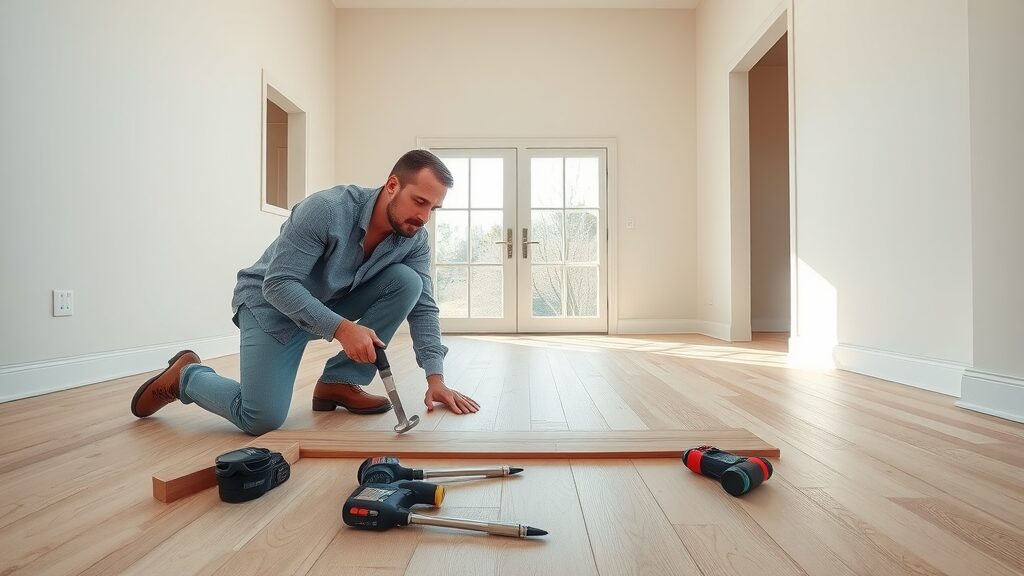
by Tony Foulon | Before & After Project Spotlights
Did you know that over 65% of flooring redos are due to basic installation mistakes? The difference between floors that last for decades and those that buckle, warp, or gap often comes down to just a handful of smart flooring installation tips. Whether you’re tackling a DIY laminate floor, upgrading to hardwood, or installing luxury vinyl, paying attention to these practical techniques can save you thousands and bring out the beauty in your wood, laminate, or vinyl plank. Read on to learn the secrets every flooring pro wishes homeowners knew!
Why Flooring Installation Tips Matter: Surprising Facts and Costly Mistakes to Avoid
Flooring installation tips aren’t just handy—they’re absolutely essential for a flawless floor installation . Without proper guidance and an organized approach, you risk costly installation errors like warped planks, unsightly gaps, or squeaky boards that can ruin the beautiful look of laminate, wood, or vinyl flooring. What many homeowners don’t realize is that skipping key installation steps can even void your flooring warranty or require you to replace entire sections in just a few years.
For example, vinyl plank and wood floors often expand and contract with seasonal humidity. Laying planks too tightly without considering an expansion gap or acclimating your flooring properly can spell disaster. This is why following industry-tested installation tips is a good rule for beginners and pros alike. Armed with proven flooring installation advice, you’ll create durable, attractive surfaces and minimize ongoing maintenance costs.
The Real Cost of Poor Flooring Installation: Startling Industry Statistics
According to national data, improper flooring installation is responsible for more than $1 billion annually in repairs across laminate, wood flooring, and vinyl floor projects. Studies reveal that 70% of these failures are related to issues with the subfloor, skipped acclimation periods, or ignoring expansion gaps. Even minor mistakes, like starting at the wrong end of a room or using the wrong tools (such as avoiding the tapping block), create issues that snowball over time and make the installation a lot harder and more expensive to fix.
In real life, poorly laid vinyl plank often buckles or separates at the seams within a year. Laminate floor installations missing a critical expansion gap tend to develop unsightly peaks and valleys, while hardwood floor installation failures cost, on average, 25% more to repair than their initial installation price. The upshot? Every smart installer knows that preventing simple mistakes is far less expensive than fixing them later.
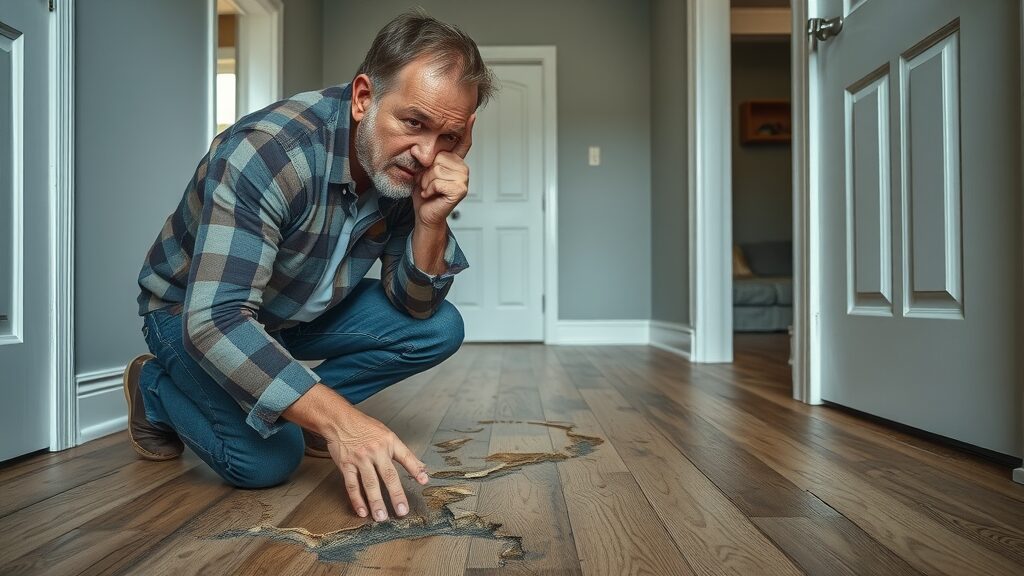
Common Installation Errors (and How Flooring Installation Tips Prevent Them)
The most frequent errors in flooring install projects involve poor preparation and skipping proven installation tips . A common misstep is neglecting to acclimate the flooring material —especially vital for laminate and hardwood floors that naturally expand and contract with environmental changes. This often results in unsightly gaps or bulging planks that compromise the look and safety of your new floor.
Another major pitfall is poor pattern alignment. Failing to stagger planks correctly during a laminate floor or vinyl plank installation can weaken floor stability and create a mismatched aesthetic. Rushed cuts around door jams or corners frequently lead to visible imperfections and can leave floors vulnerable to moisture intrusion and long-term damage. Careful measurement, the use of tools like a tapping block , and attention to expansion gaps are crucial steps every installer should take. These flooring installation tips not only prevent rookie mistakes but save you time and money in the long run.
Essential Flooring Installation Tips for a Flawless Floor Installation
If you want every floor installation to look professional, slip these essential flooring installation tips into your toolkit. First, always prep your surface: ensure the subfloor is flat, dry, and clean. Second, choose the right materials and tools—different projects (like hardwood flooring versus vinyl plank ) require specialized blades, saws, and spacers.
Don’t forget to read the manufacturer’s instructions fully! Many new laminate or luxury vinyl products offer click-and-lock features or pre-attached underlayments that can make the work a lot easier. Lastly, remember that slow, steady progress usually trumps speed in every wood floor installation . This way, you’ll catch small errors before they become expensive mistakes and enjoy beautiful, lasting results.
Flooring Installation Tips for Laminate Floor Success
For a pristine laminate floor , acclimation and pattern planning are key. Bring your laminate flooring into the room where it will be installed and let it sit for at least 48 hours—this minimizes the chance of expansion or contraction issues. Prep your subfloor meticulously; bumps or dips can cause the click-lock mechanism to fail and create a bouncy or noisy finish.
When installing laminate , stagger seams at least 12 inches for each row. Use spacers to maintain a consistent expansion gap along walls and other fixed objects—a solid rule of thumb is to allow at least 1/4 inch. Always use a tapping block to ensure tight seams without damaging the tongue-and-groove edges, particularly around door jams and corners.
Hardwood Floor Installation: Professional Flooring Installation Tips
When it comes to hardwood floor installation , success hinges on both preparation and patience. Let your wood flooring acclimate in its future home for at least 72 hours. Check the subfloor for level—uneven spots can lead to creaking, premature wear, or even split boards. Lay out a moisture barrier if required, and always use proper spacers for the expansion gap.
Nail or glue boards according to the manufacturer’s recommendations. For plank-style wood floors, stagger boards for strength and visual interest. When cutting near a door jam , use a sharp utility knife or oscillating tool for a precise fit. Professional installers often recommend lightly sanding joints to ensure snug, seamless transitions, especially in high-traffic areas.
Vinyl Plank & Vinyl Flooring: Top Flooring Installation Tips
Vinyl plank and luxury vinyl flooring have become popular for their ease of installation and durability. However, skipping key installation tips can result in popped seams and visible gaps. Always start installation along the longest wall for a clean, balanced look and remember that even vinyl must acclimate for at least 24-48 hours.
Lay planks with the pattern and light source in mind: aligning your vinyl floor parallel with windows helps disguise seams and creates a more natural flow. Use a sharp utility knife for precision cutting, and don’t forget to include an expansion gap along walls, baseboards, and fixed cabinets. A tapping block makes it easier to get tight seams, preventing dust or spills from sneaking under your flooring.
Choosing the Right Flooring Material: Key Flooring Installation Tips
Choosing the right flooring material is arguably the most important step in every successful floor installation . Whether you’re considering wood flooring for its natural elegance, luxury vinyl for waterproof toughness, or laminate flooring for its affordability and quick install, each material has unique properties that affect how you prepare, cut, and lay it out.
For high-traffic areas, water resistance and durability matter most. Basements do well with vinyl floor or luxury vinyl planks, while living rooms are ideal for the visual warmth of hardwood flooring or laminate floors . If your home’s subfloor isn’t perfectly level, a forgiving material like vinyl may save you headaches. Refer to the table below for a quick comparison of common flooring materials and their best-use scenarios.
| Material |
Pros |
Cons |
Best Use |
| Laminate Flooring |
Affordable, scratch-resistant, easy DIY install |
Can swell with moisture, requires expansion gap |
Living rooms, bedrooms |
| Hardwood Flooring |
Classic look, long-lasting, increases home value |
Costly, susceptible to scratches and moisture |
Living spaces, formal rooms |
| Vinyl Plank Flooring |
Waterproof, durable, low-maintenance |
May fade in direct sun, seams require care |
Basements, kitchens, bathrooms |
| Luxury Vinyl |
Soft underfoot, authentic patterns, easy clean-up |
Can be punctured by heavy furniture |
Mudrooms, laundry, high-traffic areas |
| Wood Flooring |
Natural beauty, various options, can be refinished |
Expensive, may expand or contract |
Dining and family rooms |
Preparation Is Critical: Pre-Installation Flooring Installation Tips
Proper prep lays the foundation for perfect flooring installation . Before you even open the first box, let your chosen flooring material rest in the installation room (acclimate) for 48-72 hours. Why? Because floors—especially laminate flooring and wood floors —expand and contract with changes in temperature and humidity. Skipping this step often leads to warping or splitting over time.
Also, fix any subfloor imperfections. Sweep thoroughly, and use a level to spot dips or humps. If possible, run a dehumidifier a day ahead. Careful pre-planning ensures a smooth, quiet wood floor installation or a seamless click-lock floor that lasts for years to come.
How to Properly Acclimate Flooring Materials for Any Floor Installation
One of the most overlooked installation tips is simple: leave unopened boxes of laminate floor or hardwood flooring in the room where they’ll be installed for at least 48-72 hours. This lets the planks “breathe” and adjust to the room’s climate. Place the boxes flat and spaced apart, allowing air to circulate. Especially for vinyl plank and laminate flooring , this step prevents installation-day surprises such as warped or gapping boards after the first season’s weather change.
For concrete subfloors, ensure moisture levels are within manufacturer’s specs—too much trapped humidity can destroy even the best wood floor or luxury vinyl plank. Consider this crucial step as insurance for your new floor’s durability and beauty.
Understanding Expansion Gap Needs in Flooring Installation
Expansion gaps are a must with wood flooring , laminate floors , and even many types of vinyl floor . As seasons change, floors naturally expand and contract. Failing to leave a gap around the room’s perimeter or at fixed features like door jams is a primary cause of buckling and squeaking. A good rule of thumb is to use the spacers provided and check the manufacturer’s guidelines—usually 1/4 to 1/2 inch.
Never fill expansion gaps with grout or adhesive. Cover them later with trim or baseboards for a neat, finished look. Prioritizing this seemingly small step ensures your flooring install withstands the test of time.
“An extra day prepping your flooring materials can save you years of headaches down the road.” – Flooring Expert
Installation Tips for Success: Starting Your Flooring Install Correctly
Begin every floor installation the right way by laying your first row of planks along the longest, straightest wall in the room—usually the exterior wall for the most visible result. This approach creates an even plank flow and minimizes small, difficult cuts along visible traffic areas. If you start against a crooked wall, you’ll struggle to disguise uneven seams throughout the room.
Measure twice, lay out a dry run with spacers, and make sure the planks line up well across the threshold or doorway. Taking these small steps early on aids tight seams, prevents frustration later, and earns you the satisfaction of a true flooring pro job.
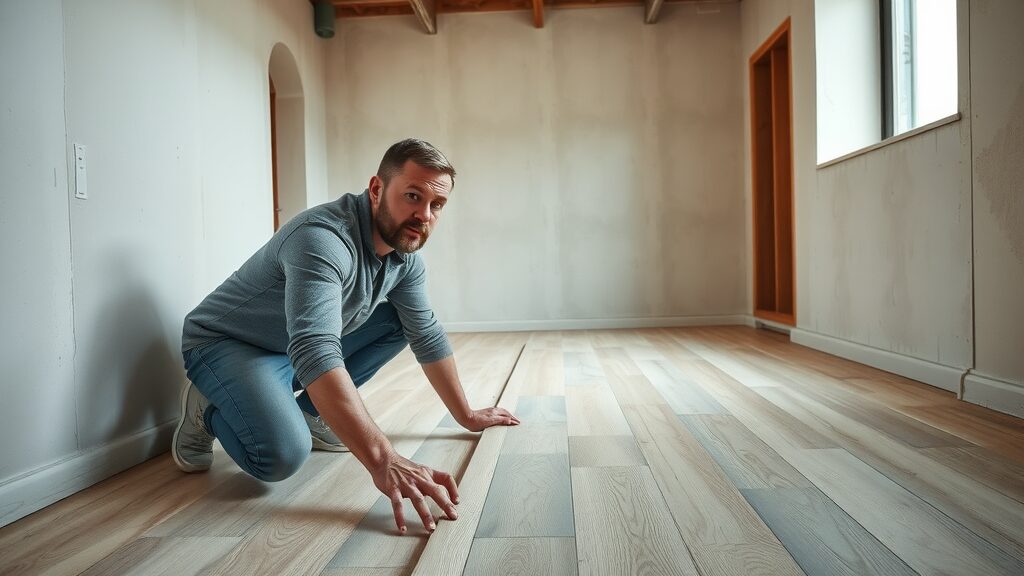
Where to Start: Professional Insights on Floor Installation for a Laminate Floor or Vinyl Plank
Professional installers always stress: begin in the corner of the longest, most visible wall. In open plans, laying planks parallel to the source of natural light hides seams and enhances visual flow. This technique works wonders for both laminate floors and modern vinyl flooring , ensuring each row fits perfectly and adjustments at door jams or tight corners are straightforward.
Starting from the correct position also makes your flooring install a lot easier. It allows you to avoid frequent, small end-cuts—especially important when handling tongue-and-groove systems or click-lock laminate floor designs. As a good rule, always dry-lay the first two rows to visualize staggering and pattern.
Tools You Need for Seamless Flooring Installation: Don’t Skip These Steps
Every flawless flooring installation relies on the right tools. Some essentials you’ll want in your kit: a tapping block for snug seams, a level to spot uneven spots, a door jam saw for undercutting trim, spacers for even expansion gaps, a sharp utility knife for cutting laminate or vinyl plank, and knee pads for comfort during long projects.
Don’t underestimate the value of using the manufacturer’s recommended tools, as well. Specialized saws or guides can save time and prevent damaged edges during a wood floor installation or when working with premium luxury vinyl board. Consistently using the right gear means fewer mistakes and a professional, lasting result that stands up to daily wear.
- Tapping block
- Level
- Flooring spacers
- Door jam saw
- Utility knife
- Knee pads
- Rubber mallet
- Measuring tape and pencil
- Moisture barrier (if needed)
Using a Tapping Block: Flooring Installation Tips for Tight Seams
A tapping block is one of the unsung heroes of every floor installation . It ensures tight, even seams without damaging the sensitive tongue-and-groove edges of your laminate flooring or vinyl plank . Place the block against the edge of the plank and strike it gently with a mallet. This encourages a tight fit, reduces visible seams, and prevents moisture or dust from infiltrating the joints.
Skipping this step is a fast track to gapped, uneven floors—especially on longer runs. The right technique with a tapping block also makes it much easier to work around a door jam or tricky room features. Don’t rush; consistent, patient taps yield the best finish, just like the flooring pros do.
Key Techniques: How to Install Laminate, Wood, or Vinyl Flooring Like a Pro
Want to install laminate or wood flooring like a true professional? Start with careful measurement—especially near door jams and corners—and plan your row layout to minimize narrow plank widths at room edges. Always stagger joints between rows for maximum stability and eye appeal.
As you go, check each row with a level, especially on longer runs. Use spacers for the expansion gap and follow the flooring installation tips outlined above for each specific material. Small investments in tools and time pay huge dividends in the professional look and feel of your finished floor.
Precise Cutting & Fitting Around Door Jams and Corners in Flooring Installation
Working around a door jam is one of the trickiest parts of any floor installation , regardless of whether you’re dealing with laminate , wood floor , or vinyl plank . The best approach is to use a sharp utility knife for vinyl or an oscillating saw for wood and laminate. Undercut the trim enough to allow planks to slide beneath without stress or force—never “bump up” the board against a jam or it may bind and squeak.
Always mark boards with precision and cut small notches rather than wide openings for a snug fit. “Dry fit” planks before the final installation. This extra attention makes your final floor look seamless, minimizing finishing trim and maximizing the sense of quality throughout the room.
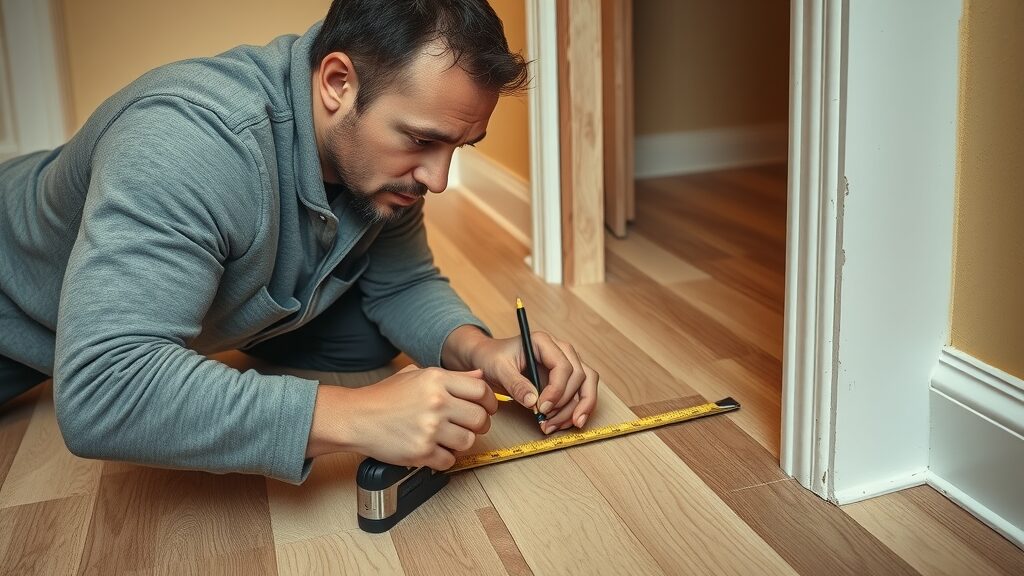
Laying Planks: Patterns and Flow for Laminate Flooring and Vinyl Plank Installation
The way you lay your planks has a dramatic impact on the look and strength of your finished floor. For most laminate floor and vinyl plank installations, running planks parallel to the longest wall or main light source delivers the best visual flow. This tends to hide minor seams and makes rooms feel larger and more cohesive.
Always stagger end joints by at least 12 inches between rows. Randomizing patterns avoids repeating seams and results in a stronger, more professional floor installation . Planning ahead prevents problems as you reach doorways or unusual angles, so measure and cut those tricky planks before starting each row for a stress-free experience.
“Attention to detail when fitting around a door jam sets apart a good flooring install from a great one.” – Pro Installer
Avoid These Missteps: Flooring Installation Mistakes to Watch For
Even the most meticulous DIYers can fall prey to common flooring installation mistakes. Top offenders include skipping the acclimation period, squeezing planks too tightly (ignoring expansion gaps), starting in the wrong place, and forcing planks together or apart until they splinter. Each of these simple errors can turn a beautiful floor into a costly headache within just months of installation.
By following proven installation tips like using a tapping block, maintaining proper expansion, and methodically planning your install, you make the job a lot easier and ensure a professional, lasting result. Don’t let impatience cost you extra money—do it right the first time!
- Skipping acclimation of flooring materials
- Ignoring the required expansion gap
- Starting the installation on a crooked or short wall
- Forcing planks into place (risk of chipping, buckling, or splintering)
Real-World Flooring Installation Tips: Lessons from the Pros
Seasoned installers all agree: there are no shortcuts to a flawless flooring installation . Slow down when laying your first two rows—getting those straight sets the tone for the entire project. Always check that seams are tight and that expansion gaps are consistent, even if you’re pressed for time. Take frequent “sight checks” from multiple angles, especially around doorways and transitional strips.
Finally, invest in affordable upgrades such as quality spacers, a professional tapping block, and sturdy knee pads . Small investments make the job easier and your floors better.
“Even veteran installers rely on these essential flooring installation tips to ensure every floor looks perfect.” – Master Carpenter
What Not to Do When Installing Vinyl Plank Flooring
Vinyl plank flooring offers outstanding durability, but there are key pitfalls to avoid for flawless results. Never install vinyl plank in extreme temperatures or before letting it acclimate. Avoid shoving planks together—a common mistake that can close off expansion spaces and cause buckling. Skipping an underlayment when recommended can also lead to noisy floors or excessive wear.
Always follow the manufacturer’s sequence for locking planks and make sure seams are snug but not overtightened. Failing to include a perimeter expansion gap or ignoring undercutting at door jams can result in a visibly uneven surface. These simple installation tips will help you avoid rookie errors and get sturdy, beautiful floors.
Pitfalls to Avoid in Vinyl Plank Floor Installation
Common mistakes with vinyl plank flooring include installing in a humid environment without moisture checks, neglecting to acclimate planks, failing to plan the first row layout, and skipping spacers. Forcing planks to fit into a tight area can damage edges and lead to future issues with gaps or buckling.
Be alert for the temptation to cut corners, such as not following the plank sequence or using makeshift tools instead of a tapping block or saw. Always take your time—following these flooring installation tips guarantees a successful, frustration-free installation and a luxury finish that lasts.
Common Mistakes When Laying Laminate Flooring
Installing laminate flooring may seem straightforward, but it’s full of hidden traps for beginners. One of the most frequent issues is improper acclimation—without it, planks may shrink, swell, or separate soon after installation. Skipping the expansion gap is another top mistake, and so is failing to stagger seams, which can undercut both appearance and durability.
Rushing cuts around obstacles, especially at door jams or heating vents, often leads to unsightly gaps or uneven transitions. Always double-check measurements and complete dry-lays before final installation. Investing that bit of extra time in prep and careful cutting distinguishes high-quality floors from amateur jobs.
Laminate Floor Installation Tips: Spotting Mistakes Early
Catch installing laminate mistakes early by regularly checking for tight seams, consistent expansion gaps, and even plank alignment. Look along the length of each row before you lock in the next to ensure a uniform appearance. If you notice a plank that doesn’t fit right, fix it immediately rather than trying to correct the error later—it’s much easier at the start than after several rows are complete.
Take special care around transitions like doorways and baseboards. Even small gaps or raised plank edges at these locations are a clear sign something’s amiss and should be corrected before moving on with your flooring install .
When Putting in Flooring, Where Do You Start?
Always start your floor installation along the longest, straightest, and most visible wall in the room. This helps keep rows running parallel and prevents the need for narrow slivers at the finish, which are not only harder to cut but more likely to move out of place over time. For large, open rooms, align your planks with the main light source (like windows) to minimize visible seams and create a natural-looking flow throughout the space.
It’s best to “dry lay” the first two rows before locking planks together. This gives you a chance to adjust the pattern, check for misalignments, and ensure the expansion gap is consistent. These steps make the process run a lot smoother from start to finish.
Best Starting Point for Flooring Installation
The pros recommend always starting from the corner of the longest wall and working outwards. This creates a straight reference for the eye and makes staggered seams easier to maintain. Avoid starting in hallways, closets, or against short or crooked walls, as these make it harder to achieve a professional look and can result in more off-size cuts at visible transitions.
Persistently check that long rows remain parallel and that the pattern lines up as you work across the space. This attention to detail pays off with a uniform, attractive floor that stands the test of time—even in high-traffic areas.
What Happens If You Don’t Let Flooring Acclimate Before Installing?
Failing to acclimate flooring material before installation invites disaster. Without time to adjust to the new room’s temperature and humidity, wood floors , laminate floors , and vinyl plank can expand or contract unpredictably. The result? Gaps, buckled edges, or warped planks just weeks or months after installation.
This problem isn’t just cosmetic; improper acclimation can void your warranty and require partial or complete floor replacement. For every flooring material , acclimation is the most important step for long-term performance and satisfaction.
Consequences of Skipping Acclimation in Floor Installation
If you skip acclimation, your new flooring install is at risk. When environmental conditions cause the planks to expand and contract, you might see unsightly seams, cupping, or even lifting boards. This can cause trip hazards or persistent squeaks that are difficult to repair without starting over.
Especially with wood floor installation or high-traffic vinyl plank areas, acclimation directly impacts durability and comfort underfoot. To prevent costly redo’s, never ignore this critical early step.
Answers to Top Flooring Installation FAQs
- How long does a laminate floor take to settle? Most laminate floors settle within 48-72 hours as they finish acclimating to the room. You can walk carefully on them right away, but wait to move heavy furniture until at least 24 hours after installation.
- Why is a tapping block needed? A tapping block ensures tight seams during installation, protecting plank edges from chips and damage while delivering a long-lasting, professional finish.
- Can luxury vinyl be installed without underlayment? Some luxury vinyl has attached underlayment, but many types require a separate pad for moisture protection and cushioning. Always follow your product’s guidelines for best results.
Take Your Next Step: Great Flooring, Great Service
Ready to enjoy flawless floors? Get quality flooring and 5-star service—call HomeTown Floors today at (636) 244-4951 or book online at www.hometownfloorsonline.com!
Key Takeaways for Flawless Flooring Installation
- Choose the right materials for your project.
- Use proven flooring installation tips at every stage.
- Rely on tools like a tapping block and maintain proper expansion gaps.
- Start your floor installation in the right spot.
- Don’t skip acclimation for laminate flooring, vinyl plank, or hardwood flooring.
Flooring Installation Services in O’Fallon, St. Charles County & Surrounding Areas
HomeTown Floors is proud to serve homeowners and businesses with professional flooring installation, hardwood, vinyl plank, carpet, and tile services throughout O’Fallon, St. Charles County, and the Greater St. Louis area. Our service areas include Ballwin, Chesterfield, Des Peres, Eureka, Fenton, Frontenac, Innsbrook, Jefferson County, Kirkwood, Lincoln County, Manchester, St. Charles, St. Peters, Sunset Hills, Town & Country, Union, Washington, Weldon Spring, Wentzville, and Wildwood.
We specialize in flooring design consultations, product selection, and expert installation to give your home or business a beautiful, long-lasting finish. Trust HomeTown Floors for 5-star flooring service and local expertise that sets us apart in Missouri.