by Tony Foulon | Flooring 101: Product Education

Did you know that over 70% of homeowners say their regional flooring preferences are swayed by local climate and culture? Whether you dream of cozy hardwood floors in a snowy Northeast home, or crave water-resistant luxury vinyl in a humid Southern space, your ideal flooring choice is probably tied to where you live. This comprehensive guide unveils how regional trends, tradition, and innovation shape flooring options that not only beautify but also adapt to your lifestyle. Ready to add a touch of local flair and practical comfort to your living room, kitchen, or every space? Let’s dive into the fascinating world of regional flooring trends!
Why Regional Flooring Preferences Matter: Surprising Facts That Shape Flooring Choices
- Did you know? Over 70% of homeowners report their regional flooring preferences are influenced by local climate and culture. Your region might be the hidden factor shaping your ideal flooring choice.
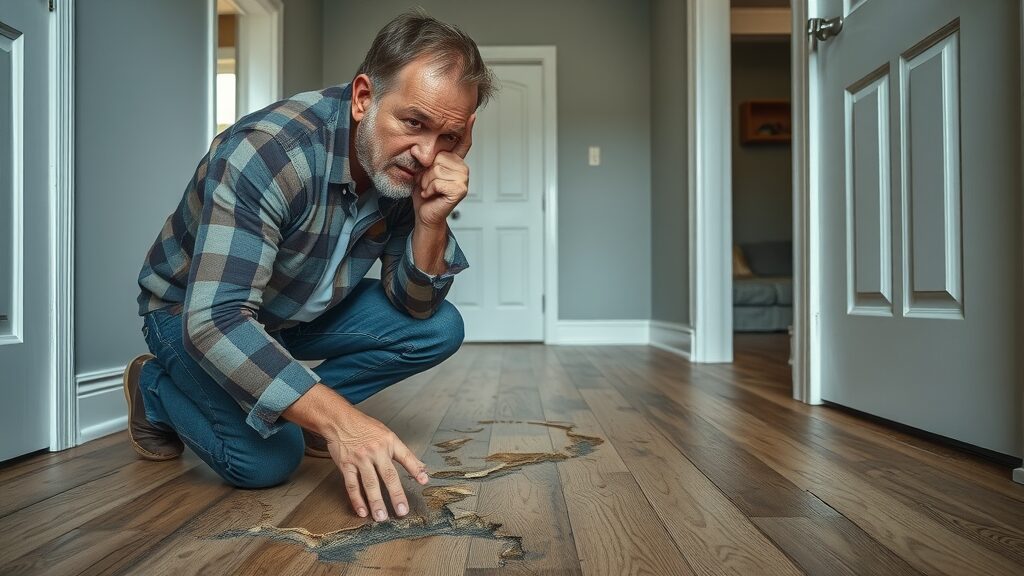
Regional flooring preferences aren’t just about style—they’re about practicality, longevity, and even resale value. Climate plays a critical role: what works for a dry mountain climate may fail in a humid coastal area. Local culture, architecture, and lifestyle trends all play their part in steering flooring choices, from classic hardwood floor staples in historic regions to bold, moisture-resistant vinyl plank in urban lofts. Understanding these influences can save you trouble with issues like water damage , warped boards, or uncomfortable living during seasonal extremes.
In hot, humid zones, trends favor engineered hardwood or luxury vinyl , which resist buckling and mold. Meanwhile, colder climates embrace the natural warmth and aesthetic of hardwood flooring for its insulation and timeless appeal. Culture can also affect whether residents opt for the visual appeal of patterned tile flooring or the natural beauty of wood floor designs . By aligning your flooring option with your region, you create a home that’s as resilient as it is lovely.
How Local Trends Influence Regional Flooring Preferences for Modern Homes
- The impact of geography and climate on flooring material selection
- Cultural design influences affecting wood flooring and tile flooring trends
- The rise of engineered hardwood and luxury vinyl in specific markets
Local geography is a powerful driver in what floors end up underfoot in modern homes. For example, the cold Midwest leans towards laminate flooring for its durability and cost-effectiveness, while the warm and damp climates in the South prompt a preference for engineered hardwood . Even within big cities, styles vary: urban Toronto and Seattle homes champion sustainable, luxury vinyl plank options that stand up to heavy foot traffic and frequent cleaning.
Cultural design also leaves its mark. Historical cities like Boston cherish classic oak wood floors that match their architecture, while Southwestern homes embrace the rustic charm of tile flooring and sun-washed finishes. Technology has made newer flooring materials —like luxury vinyl —more authentic-looking and easy to care for, boosting their popularity across many regions. Local flooring choices are also guided by evolving family needs and the increasing desire for sustainable, low-maintenance solutions.
Key Factors Shaping Regional Flooring Preferences and Flooring Choices
- Weather resilience: How humidity, heat, or cold impact flooring material choices
- Urban versus rural: Distinct flooring options for different lifestyles
- The role of tradition and local architecture in hardwood floor and luxury vinyl selection
Weather shapes regional flooring preferences dramatically. In coastal areas prone to humidity, materials that endure moisture—like luxury vinyl plank or tile flooring—are favored. In snowy climates, hardwood floors with insulating qualities help retain warmth, yet homeowners must guard against water damage from snow boots and pets. Rural areas often reflect traditional influences, choosing wood flooring or rustic tile that complement farmhouse designs, while urban dwellings trend toward innovation and easy-care flooring materials .
Living in the heart of the city often means smaller, high-traffic spaces that benefit from the noise-dampening effect of modern vinyl flooring , blending performance with contemporary style. Meanwhile, suburban and countryside homes may choose based on tradition, favoring solid hardwood or visually rich laminate flooring. Across lifestyles, the need for balancing visual appeal, comfort, and practicality is universal—driven by the very environments we call home.
Wood Floor and Hardwood Floor Trends Across U.S. Regions
Selecting a wood floor or hardwood floor is often guided by both region and style aspirations. Certain woods, stains, and board widths are emblematic of specific areas. Where one state may embrace the warmth of classic oak, another might favor sleek, light-washed luxury vinyl or engineered hardwood for their blend of beauty and resilience. Let’s break down how flooring choices shift across the country.
|
|
Regional Wood Floor Trends |
| Region |
Preferred Material |
Trending Style |
| Northeast |
Solid Hardwood Floor |
Classic Oak, Maple |
| South |
Engineered Hardwood |
Rustic Hickory, Pine |
| Midwest |
Laminate Flooring |
Dark Wood Tones |
| West |
Luxury Vinyl Plank |
Light-Washed Finishes |
Hardwood Flooring Choices: Northeast’s Classic Wood Flooring Legacy
- Why solid hardwood floors remain popular
- Influences from historical architecture and weather resilience
- Top wood species and finishes for the region
The Northeast continues to showcase a love affair with solid hardwood floors . Rich in history, homes in this region often feature original or meticulously restored wood flooring, usually oak, maple, or cherry. The timeless appeal of these species ties into local colonial and Victorian architecture, adding a sense of legacy and class. Homeowners here appreciate the natural beauty and durability of hardwood flooring , especially as it can be sanded and refinished multiple times over its lifespan.
On the practical side, the dense grain of these woods provides weather resilience against frigid winters, while the natural insulating properties keep spaces comfortable year-round. Classic medium to dark stains and matte finishes are favored, maintaining an enduring visual appeal that impresses potential buyers and complements traditional interiors. This region demonstrates how robust regional flooring preferences can preserve both tradition and comfort.
Engineered Hardwood and Wood Flooring in the South: Climate-Driven Choices
- Engineered hardwood: Combating humidity and temperature shifts
- Preferred flooring material for southern homes
- Balancing style, durability, and local culture
Southern states face unique climate challenges, with high humidity and fluctuating temperatures. This makes engineered hardwood a standout flooring option, designed to resist warping, swelling, and moisture over time. Unlike traditional hardwood floors , engineered variants feature a real wood surface bonded over sturdy layers, delivering both authentic natural wood beauty and impressive durability.
Warm wood tones like hickory and pine echo the region’s rustic, inviting style and blend perfectly with sun-filled interiors. Southern homeowners are drawn to finishes that add a touch of weathered charm, echoing farmhouse culture and creating a relaxed look. Balancing durability with visual appeal , engineered hardwood meets the lifestyle demands of active families and pets, while providing a cost-effective solution for enduring regional climate.
Midwest Flooring Preferences: Laminate Flooring and Practicality Meet Style
- Midwest’s embrace of laminate and wood floors for high-traffic homes
- Importance of flooring options with scratch and water resistance
- Blending value with visual appeal
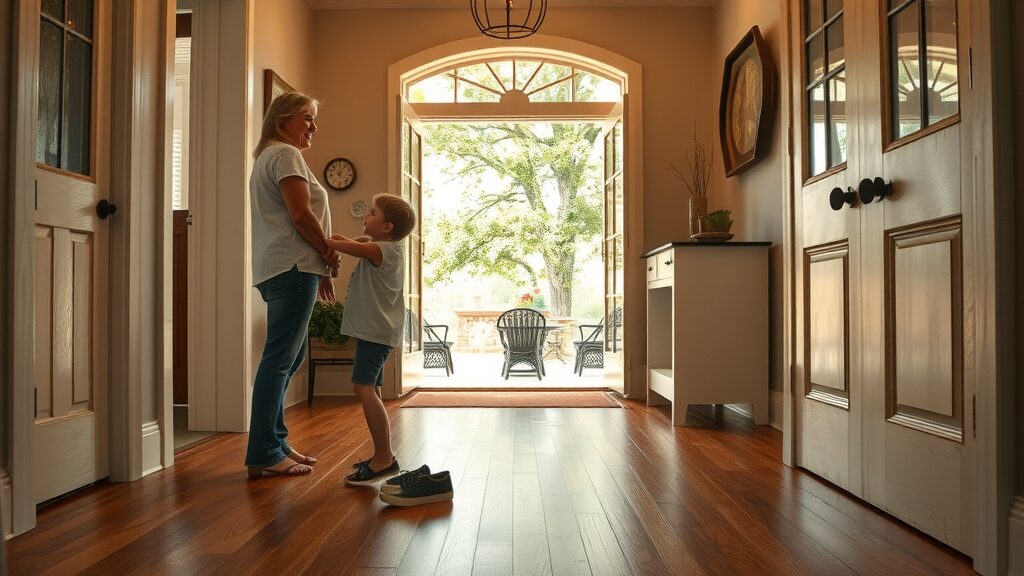
In the Midwest, laminate flooring is celebrated for being budget-friendly, durable, and able to imitate the look of natural wood flooring. Families here appreciate how laminate withstands foot traffic from kids, pets, and boots during snowy months. Modern options even boast water resistance, protecting against accidental spills and routine cleaning without the worry of long-term water damage that can plague solid hardwood.
This region’s homes tend to select darker wood tones and robust finishes that hide dirt and scratches while matching furnishings with rich, earthy hues. Laminate’s low-maintenance nature and affordable pricing make it a go-to flooring choice for busy households, providing both performance and visual appeal. It’s no wonder Midwest homes often feature a combination of laminate , wood flooring , and the occasional tile flooring in high-moisture rooms.
Western Regional Flooring Preferences: Luxury Vinyl and Modern Flooring Options
- Luxury vinyl plank and tile flooring for contemporary spaces
- Sustainability, urban living, and flooring material innovations
- Emphasizing ease of maintenance and vibrant styles
Contemporary West Coast homes and city lofts across the western U.S. have embraced luxury vinyl plank and tile flooring as on-trend, practical choices. With a nod to sustainable living and urban convenience, these materials are ideal for open layouts and multipurpose spaces. Luxury vinyl withstands heavy use, repels moisture, and offers exceptional design variety, including realistic wood and stone finishes that complement minimalist or mid-century interiors.
Maintenance is a breeze with these flooring materials , appealing to busy professionals and families seeking a polished, low-fuss look. Homeowners are increasingly drawn to lighter, sun-kissed surfaces and playful patterns that reflect abundant natural light in modern West Coast spaces. As versatility becomes king, regional flooring preferences in the West lean toward blends of luxury vinyl, tile, and engineered hardwood within a single home.
How Climate and Lifestyle Directly Influence Flooring Choice
- Flooring choices for mountain, coastal, and desert environments
- Pet- and family-friendly flooring option trends
- Urban condo living versus rural farmhouse: flooring material adaptations
Climate and lifestyle factors are two of the most important influences on flooring choice . In mountain towns or cold rural homes, thick, insulated wood floors and plush carpets keep toes toasty during long winters. By contrast, coastal or desert homes demand surfaces that repel sand, spills, and stains—enter tile flooring , luxury vinyl plank , and water-resistant laminates.
Pet owners and busy families also impact regional flooring preferences ; they look for scratch-resistant, durable materials that are easy to clean. Urban dwellers with open concept layouts often prefer continuous, low-maintenance surfaces—like luxury vinyl or engineered hardwood—while rural homeowners may segment the house with a mix of wood flooring and cozy tile in kitchens and baths. The result is a highly personalized “mix and match” approach to flooring, evolved to meet both environmental and lifestyle demands.
Comparing Flooring Options: Navigating Hardwood, Engineered, Laminate, Vinyl, and Tile
When it comes to flooring options , understanding the relative strengths and costs of each can help you make a more informed decision. Hardwood flooring offers warmth and timeless value but requires more care in humid climates. Engineered hardwood and luxury vinyl plank provide strikingly realistic finishes with added durability and moisture resistance, making them ideal for families and high-traffic areas. Tile flooring boasts unmatched durability and design flexibility, ideal for kitchens, baths, and Southwest-inspired homes. Laminate flooring remains a favorite for affordable, versatile, and attractive floors throughout the Midwest and beyond.
|
|
|
Popular Flooring Materials Comparison |
| Flooring Material |
Durability |
Water Resistance |
Cost |
| Hardwood Floor |
High |
Low |
$$$$ |
| Engineered Hardwood |
Very High |
Medium |
$$$ |
| Laminate Flooring |
Medium |
Medium |
$$ |
| Luxury Vinyl Plank |
High |
High |
$$ |
| Tile Flooring |
Very High |
Very High |
$$$ |
Luxury Vinyl and Tile Flooring: Versatile Regional Flooring Preferences
- Innovations in luxury vinyl and vinyl plank trends
- Popular flooring choices in kitchens, baths, and basements
- How tile flooring fits into regional design traditions
Modern technology has revolutionized luxury vinyl and tile flooring . Today’s homeowners enjoy luxury vinyl plank that looks and feels like authentic wood floors, but offers waterproof durability perfect for basements, kitchens, and bathrooms. Innovations such as click-lock installation and antimicrobial coatings have spurred a surge in popularity, especially in regions where moisture and cleaning ease are top priorities.
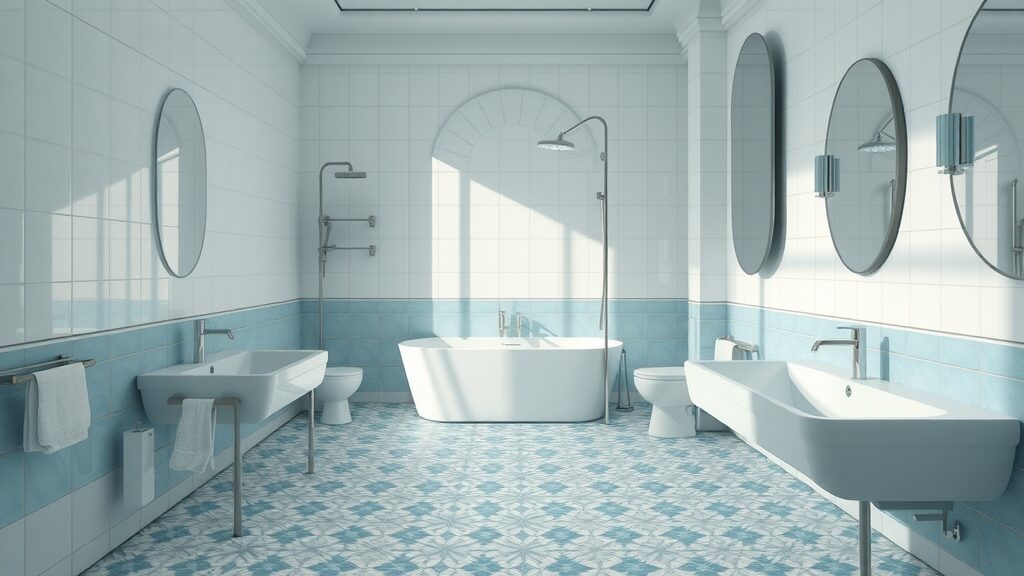
Tile flooring is the go-to flooring type for homes in hot climates or areas with heavy use, such as mudrooms and entryways. Terra cotta and patterned tiles add local color in southwestern homes, while large-format porcelain tiles lend an aesthetically pleasing vibe to urban condos. Blending tradition, performance, and design, these flooring materials remain regionally relevant and highly sought after.
“Selecting the right flooring material can dramatically transform your living space—and the best choices often begin with understanding local trends and needs.” – Home Design Expert
Flooring Criteria: Selecting Flooring Material for Every Space
- Factors for choosing flooring option room by room
- Flooring material performance: durability, maintenance, and comfort
- Aesthetic harmony with regional flooring preferences
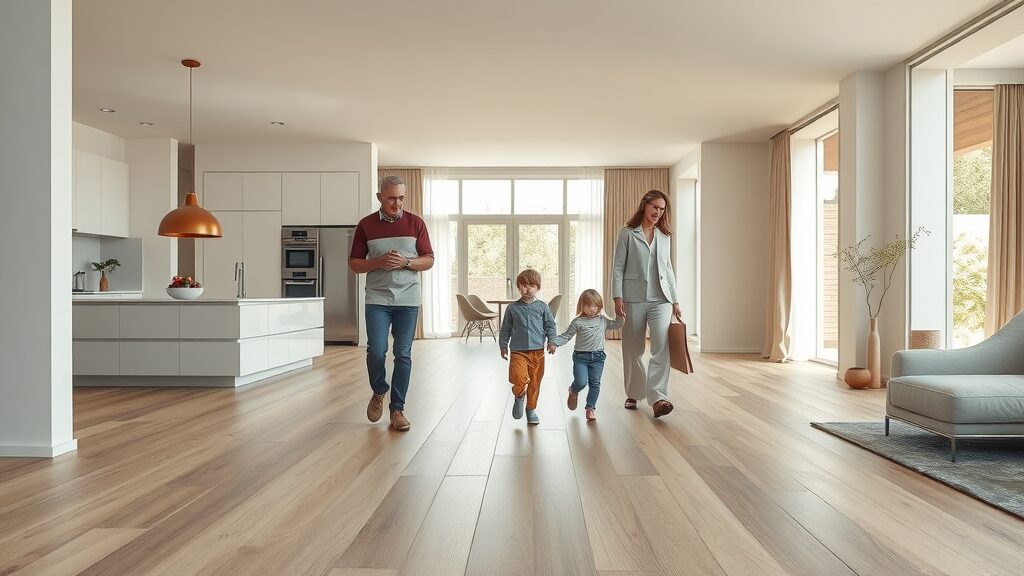
Finding the best flooring option for every space starts with considering the room’s function, activity level, and local demands. Kitchens and baths benefit from water-resistant flooring like tile or luxury vinyl plank, while living rooms and bedrooms often feature the comforting warmth of wood flooring or plush carpets. Balancing durability and maintenance with a region’s moisture or temperature extremes is key—especially for homes with children and pets.
Aesthetic harmony matters too: many designers now recommend blending two or three flooring types through your house to connect spaces without overwhelming them. Regional flooring preferences often drive these blends, resulting in seamless transitions between classic wood floors, contemporary vinyl, and cozy tile. When choosing, always consider local climate, your family’s lifestyle, and what will hold up beautifully year after year.
The Rule of 3 Flooring: Enhancing Cohesion with Multiple Flooring Choices
- Blending two to three flooring options for a seamless home design
- Tips for successful hardwood flooring and luxury vinyl combinations
The “rule of 3 flooring” advises using no more than three different flooring options throughout your home. This approach maintains visual continuity while allowing each space to shine with the right flooring material . For example, pair hardwood flooring in living areas, luxury vinyl plank in kitchens, and tile in bathrooms to achieve a balance of style, durability, and comfort.
When mixing wood floors and vinyl or tile, choose complementary tones and transition strips for a smooth, cohesive look. By anchoring your choices to regional flooring preferences, you’ll ensure your home feels tailored, yet coordinated—a win for both daily living and resale value.
Top Regional Flooring Preferences: What Homebuyers Want
[Watch: Short informative video explaining how to choose the right flooring for your region, featuring dynamic overlays of different flooring types in U.S. homes, and voiceover with key tips for climate, style, and resale value.]
- Flooring choices boosting property value in different markets
- Preferred wood floor, laminate, and tile flooring for resale
- Trends influencing new builds versus renovations
Home buyers are increasingly savvy, looking for floors that will withstand regional challenges while enhancing value. Hardwood flooring is still seen as the gold standard across the U.S., particularly in living rooms and main suites. However, regional flooring preferences drive buyers to seek out engineered hardwood, laminate flooring, or luxury vinyl plank in humid or flood-prone regions. Tile flooring is especially desirable in hot climates and for modern kitchens or bathrooms.
Trends also differ for new builds versus renovations. New homes often feature a mix of open-concept wood or vinyl flooring, while remodels may prioritize matching historic wood floors or updating outdated tile with water-resistant plank options. Catering your flooring choice to local styles and climates helps attract buyers and increase both enjoyment and long-term value.
What You’ll Learn About Regional Flooring Preferences
- How geography and culture guide your flooring decision
- Advantages and beauty of each popular flooring material
- Practical steps to identifying your optimal flooring solution
By exploring regional flooring preferences , you’ll discover how climate, lifestyle, and tradition impact your options and learn the practical benefits of each material. This knowledge empowers you to make the best design decisions for comfort, function, and style that truly reflect your region and your life.
People Also Ask: Regional Flooring Preferences
What is the rule of 3 flooring?
- The rule of three flooring recommends using no more than three types of flooring options throughout your home to maintain visual continuity. Regional flooring preferences often help you select the best combinations for each space.
What is the most preferred flooring?
- Hardwood floor continues to be the most preferred flooring material nationwide, but regional flooring preferences may prioritize engineered hardwood, luxury vinyl, or tile in specific climates or home types.
What type of flooring do buyers prefer?
- Buyers often seek hardwood flooring and luxury vinyl plank for resale value, durability, and style. Regional flooring preferences impact which options will attract buyers in your area.
What are the criteria for floor selection in different spaces?
- Criteria include location, durability, moisture resistance, comfort, and aesthetic preferences. Regional flooring preferences help match the right flooring choice to each room’s unique needs.
Expert Insights: Tips for Choosing the Best Flooring Options for Your Region
- Consult local professionals familiar with regional flooring preferences
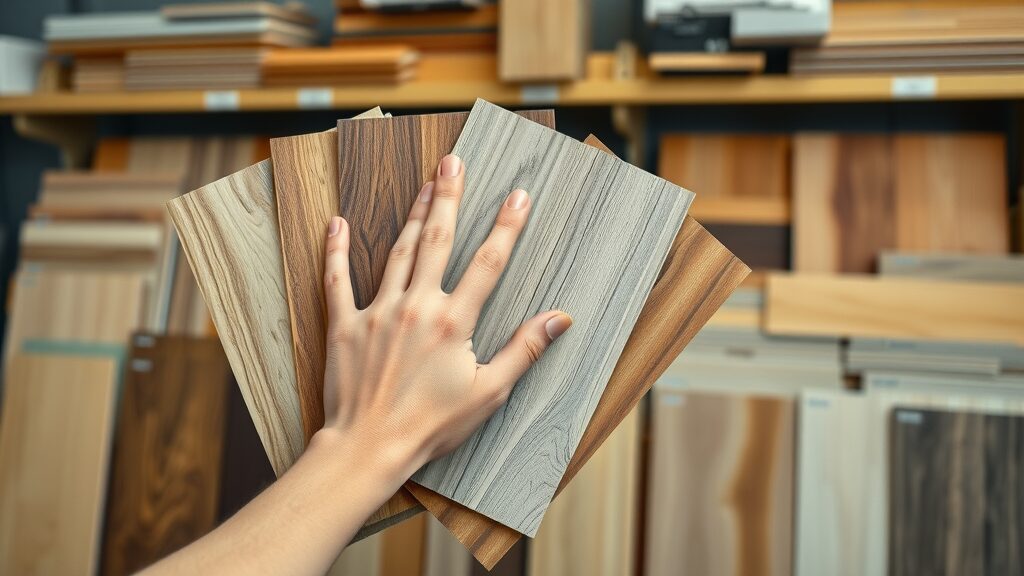
- Request samples of wood flooring, tile, and luxury vinyl plank
- Prioritize function, lifestyle, and local climate in decision making
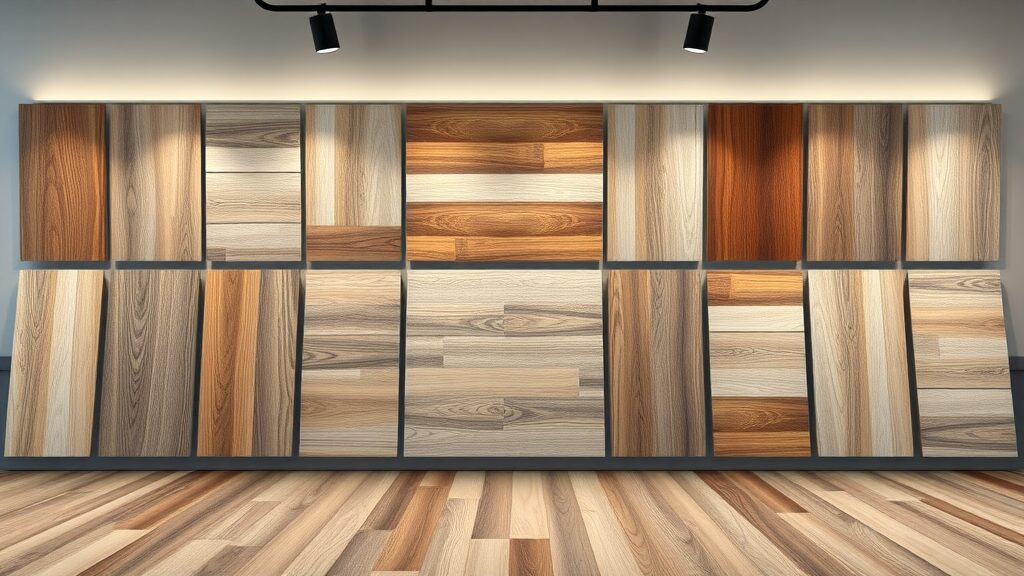
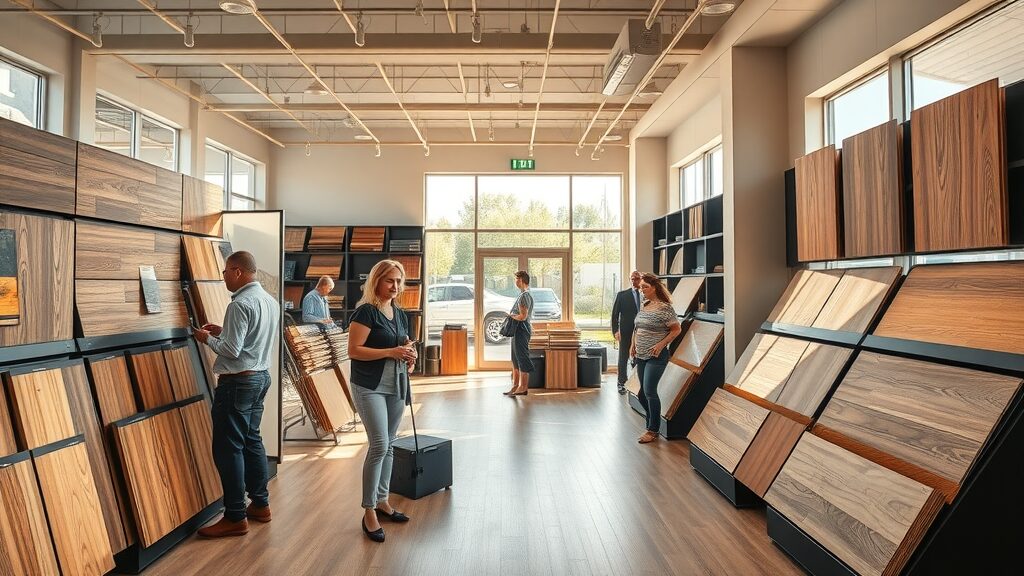
Choosing the perfect flooring material isn’t just about looks; it’s about matching your lifestyle and region’s unique needs. Start by asking local pros which flooring choices are most popular (and practical) in your area. Always bring home samples to see colors and textures in your own light. Think carefully about pet activity, moisture risks, and how much time you want to spend on upkeep. By keeping local climate and lifestyle in mind, your final flooring solution will look great and last for years.
Blending tradition with innovation allows you to both honor your home’s history and enjoy the benefits of high-performance, easy-care floors.
Essential Takeaways for Understanding Regional Flooring Preferences
- Match flooring options to your region’s unique needs
- Utilize a blend of flooring materials for style and performance
- Stay current with trends in wood floor, laminate, engineered hardwood, and more
Your region is your guide—choose flooring materials with durability, beauty, and local tradition in mind. Mix materials for a seamless, stylish home and always check the latest local flooring trends before your next project.
Ready to Enhance Your Home? Discover Personalized Flooring Choices
Start your flooring journey today by considering your region’s unique needs and local trends—transform your space with flooring that truly fits your home!
Flooring Installation Services in O’Fallon, St. Charles County & Surrounding Areas
HomeTown Floors is proud to serve homeowners and businesses with professional flooring installation, hardwood, vinyl plank, carpet, and tile services throughout O’Fallon, St. Charles County, and the Greater St. Louis area. Our service areas include Ballwin, Chesterfield, Des Peres, Eureka, Fenton, Frontenac, Innsbrook, Jefferson County, Kirkwood, Lincoln County, Manchester, St. Charles, St. Peters, Sunset Hills, Town & Country, Union, Washington, Weldon Spring, Wentzville, and Wildwood.
We specialize in flooring design consultations, product selection, and expert installation to give your home or business a beautiful, long-lasting finish. Trust HomeTown Floors for 5-star flooring service and local expertise that sets us apart in Missouri.
by Tony Foulon | Flooring 101: Product Education
Is your dream floor made of rich, natural hardwood—or could laminate’s style and value surprise you? Decode the secrets of hardwood vs laminate flooring to discover the best fit for your lifestyle, budget, and home’s design. Let’s challenge what you think you know and guide you to a stunning, lasting choice!
Are You Choosing Between Hardwood vs Laminate Flooring? Start Here
Choosing the ideal flooring for your home is about more than just looks—it’s about how the floor stands up to your daily life, your investment, and what it says about the space you love. The debate of hardwood vs laminate flooring isn’t simply aesthetic; it’s a crucial decision influencing your home’s comfort, durability, resale, and style statement. Whether you’re renovating your forever home or prepping a property for sale, understanding these flooring options is essential.
This guide dives deep into the core attributes that separate genuine wood floors from laminate floors, including cost, maintenance, longevity, and visual appeal. You’ll find practical examples of how each type of flooring performs in busy households, various climates, and distinct aesthetics. By exploring popular wood flooring styles, expert installation advice, and the lasting value you can expect, you’ll be ready to confidently select the best flooring option tailored to your needs.
- Discover the critical differences between hardwood vs laminate flooring, what influences their performance, and how this guide will help you make an informed choice.
Understanding the Basics: Hardwood vs Laminate Flooring Defined
What Is Hardwood Flooring? Featuring Solid Hardwood & Engineered Wood Floors
Hardwood flooring is crafted from real wood—either as solid hardwood floorboards or as engineered hardwood, which sandwiches a hardwood veneer over layers of high-quality plywood. Solid hardwood exudes authenticity, natural beauty, and a sense of tradition, making it an aspirational choice for many homeowners. Each plank is a unique piece of nature, offering varied grain patterns, deep hues, and live knots that enhance its character.
Engineered hardwood combines a thin layer of real wood on top of a stable core, delivering the look and feel of solid wood with improved dimensional stability. This makes it less prone to warping from moisture. Both options can be sanded and refinished (solid more so), providing longevity and the ability to refresh your wood floor over decades. For those seeking a natural and timeless upgrade to their space, hardwood flooring remains a popular choice that adds substantial value to any property.
What Is Laminate Flooring? Exploring Laminate Floors Construction
Laminate flooring is designed for durability and visual versatility. It features several compressed layers: a moisture-resistant base, a high-density fiberboard core, a high-definition photographic layer that mimics real wood, and a tough wear layer that resists scratching and stains. Modern laminate floors capture the realistic appearance of natural wood flooring, sometimes fooling the keenest eyes at a glance, at a fraction of the cost.
One key advantage of laminate flooring is its wide choice of styles—ranging from weathered barnwood to sleek, exotic finishes—making it suitable for virtually any design scheme. Thanks to its tongue-and-groove construction, it’s often considered a top DIY flooring option, especially for busy areas or households on a budget. You won’t be able to refinish laminate like wood, but the best quality laminate floorboards have impressive longevity with proper care.
What You’ll Gain from Comparing Hardwood vs Laminate Flooring
- Comprehensive insights into solid hardwood, laminate flooring, wood floor styles, installation tips, cost comparisons, durability evaluations, top FAQs, and expert purchase guidance.
By evaluating the pros and cons of hardwood vs laminate flooring , you’ll be able to prioritize features most important to your home—be it long-term value, style, or low upkeep. This side-by-side analysis ensures you won’t overlook critical details like scratch resistance, water sensitivity, real estate resale value, and the latest eco-friendliness certifications. Equip yourself with all you need to make the best flooring decision, from room-specific guidance to understanding industry jargon.
This guide supports your journey with expert tips, real-life case studies, and direct answers to common questions. Whether you’re a DIY enthusiast, a design aficionado, or a resale-focused homeowner, this comprehensive resource will help you navigate every step, from idea to installation.
Side-by-Side Comparison: Hardwood Floor vs Laminate Floor
|
|
Comparison of Features: Hardwood vs Laminate Flooring |
| Feature |
Hardwood Flooring |
Laminate Flooring |
| Durability |
Withstands wear and tear with proper care; can be refinished |
Resists scratches well; wear layer protects against dents and fading |
| Appearance |
Unmatched natural beauty, unique wood grains, real wood feel |
High-definition wood imitations, wide variety of styles and finishes |
| Maintenance |
Requires regular refinishing and careful cleaning (damp mop) |
Easy to clean; simple damp mop; no waxing or refinishing needed |
| Installation |
Professional installation recommended; nail or glue-down |
Easy DIY click-lock or floating installation |
| Cost |
Higher price tag per square foot |
Budget-friendly; lower initial cost per square foot |
| Eco-Friendliness |
Can use certified sustainable wood; natural product |
Contains synthetic materials; some recyclable options emerging |
| Best Applications |
Main living areas, bedrooms, formal spaces |
Basements, kitchens, high-traffic, commercial spaces |
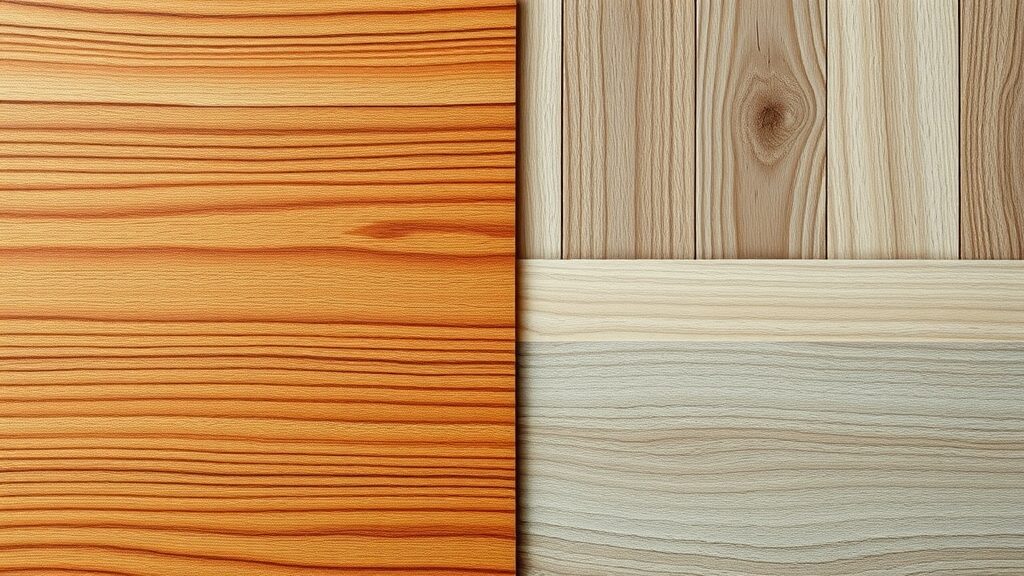
The Visual Appeal: Natural Beauty of Hardwood Flooring vs Stylish Laminate Floors
Solid Hardwood Floor: Timeless Natural Beauty & Texture in Wood Flooring
One of the undeniable advantages of a solid hardwood floor is its natural beauty. Every plank tells a story, featuring subtle variations in color, grain, and texture that make each floor truly one-of-a-kind. These features add warmth, history, and luxury to any space, which is why wood floors have remained a popular choice for centuries. Whether you seek the rich tones of walnut, the golden hues of oak, or the striking grain of maple, hardwood delivers sophistication that stands the test of time.
Solid hardwood flooring develops a gentle patina with age that only adds to its charm. Homeowners can refinish their hardwood floors to update color or repair life’s little accidents, guaranteeing decades—sometimes centuries—of beauty with proper care. If your style leans classic, traditional, or you want to increase your home’s value, real wood flooring is among the best investments you can make.
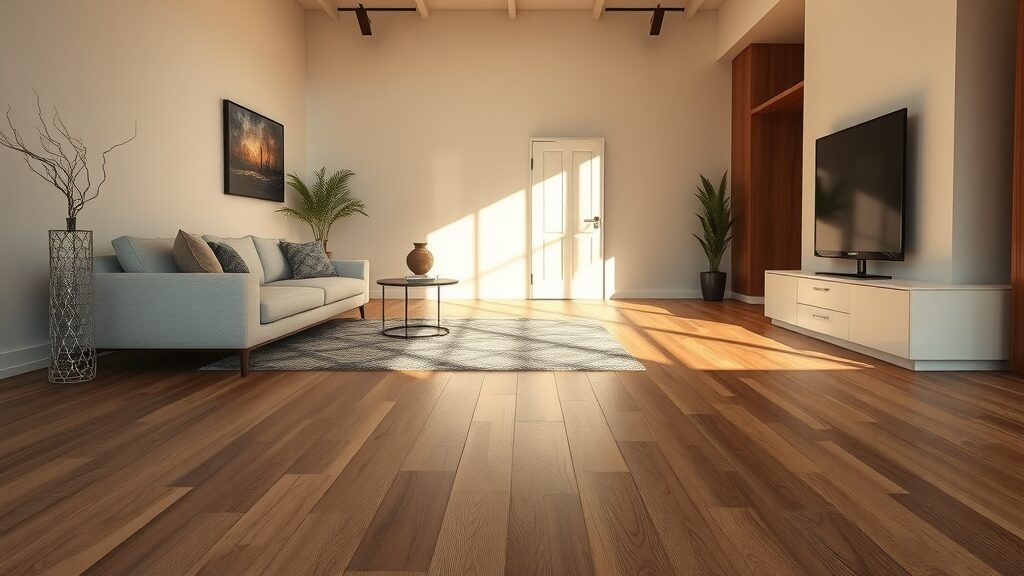
Laminate Floor: High-Definition Finishes and Contemporary Appeal
While nothing quite matches the authenticity of real wood, laminate floors have made major technological strides in capturing wood’s intricate appearance. Thanks to advanced printing techniques, quality laminate flooring now delivers stunning, high-definition visuals. You’ll find options that mimic everything from rustic, reclaimed planks to crisp, pale Scandinavian finishes—making laminate a go-to for modern and eclectic interiors.
Laminate’s surface is engineered for consistent color and pattern, ideal for those seeking a seamless and low-maintenance look. Its contemporary appeal lies in its ability to reflect current design trends—cool grays, bold textures, and even exotic species can be found. If you want flooring that aligns with up-to-date styles, handles everyday traffic with ease, and is wallet-friendly, laminate flooring is an excellent choice.
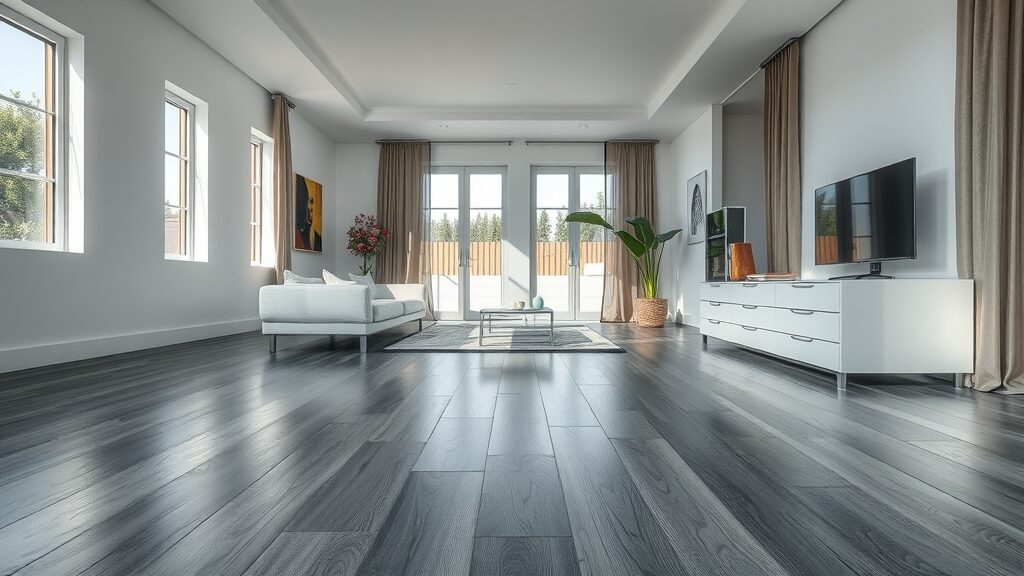
“Wood floors bring warmth, tradition, and unique character to any space.” – Flooring Design Expert
Installation Process: Hardwood vs Laminate Flooring
Installing Solid Hardwood Flooring: What To Expect
Installing solid hardwood flooring is a skilled process best left to professionals, especially if you want a flawless result that will last a lifetime. The subfloor must be dry, level, and properly prepped to prevent future problems like buckling or warping. Hardwood is typically nailed or glued down, requiring specialized tools and a steady hand to ensure tight seams and even rows. The process can be time-consuming, often taking several days depending on room size and layout.
While installation does require patience and a higher upfront investment, the payoff is a seamless wood floor full of character and strength. Once installed, hardwood can be sanded and finished on-site, allowing for customization in color and sheen. With the right care, professional installation lays the groundwork for decades of stunning, high-value wood flooring.
Installing Laminate Flooring: DIY Simplicity Meets Modern Design
Laminate flooring is famous for its DIY-friendly installation process. The boards are designed with click-lock or tongue-and-groove systems, snapping together easily without nails or glue. This floating installation means you can lay laminate over many existing surfaces, including concrete, plywood, or even old vinyl, making it an efficient upgrade for busy homeowners or those looking to save on labor costs.
Prep work is minimal, usually involving cleaning and possibly rolling out a thin underlayment to reduce noise and provide a moisture barrier. The result is a fast, clean installation—often completed in a day—that delivers contemporary looks with minimal disruption. Laminate’s individual planks are replaceable if damaged, ensuring lasting value for the hands-on homeowner.
Durability, Maintenance, and Wear: Hardwood Floor vs Laminate Floor
Handling Wear and Tear: Longevity of Solid Hardwood and Laminate Flooring
The way each floor handles wear and tear should be a top consideration. Solid hardwood floors can last 50 to 100 years or longer with proper care, largely because they can be sanded and refinished multiple times. However, hardwood is susceptible to dents and scratches from heavy furniture, high heels, or pet claws. Preventive measures—like area rugs and furniture pads—can minimize the impact and extend the hardwood floor’s life.
In contrast, laminate floors depend on a hard, transparent wear layer that resists many household scrapes and dings. While laminate resists fading and surface scratches exceptionally well, it cannot be refinished—the wear layer determines its lifespan. Depending on the quality, laminate floors generally last 10-30 years, making them a solid hardwood alternative for high-traffic or transitional spaces.
Maintenance Requirements: Keeping Hardwood and Laminate Looking Their Best
Caring for hardwood floors means regular sweeping, careful use of a slightly damp mop, and immediate attention to spills to prevent water damage or staining. Periodic refinishing is necessary to restore the wood’s surface and address deeper scratches or dullness. The payoff is a floor that stays inviting and beautiful for generations, especially with proper care routines and prompt repairs.
Laminate flooring excels in low-maintenance living. Just sweep or vacuum regularly, followed by a damp mop for a streak-free finish. Its sealed surface doesn’t require waxing or refinishing, making it ideal for families who crave easy upkeep. However, standing water should be avoided to preserve the core and prevent swelling or warping. A simple maintenance routine keeps laminate floors looking as sharp as the day they were installed.
Scratch Resistance and Water Sensitivity: Hardwood and Laminate Flooring Options
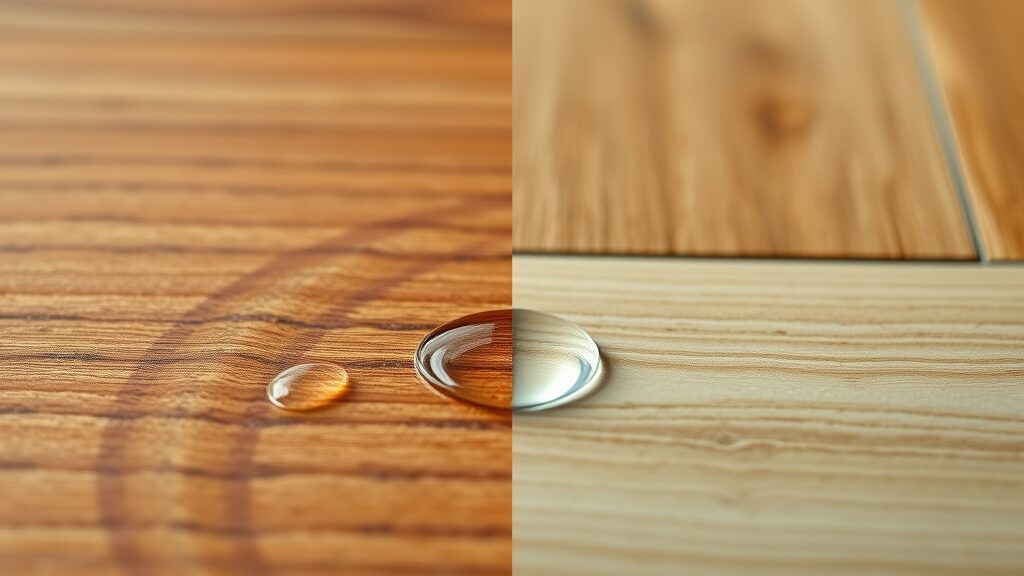
Scratch resistance is a selling point for both flooring options, but their performance varies by setting. Laminate flooring outperforms most hardwood when it comes to scratches and scuffs, making it a top choice for playrooms, pet spaces, or active entryways. Some premium products even offer waterproof or water-resistant guarantees, but it’s still best to promptly address wet spills to prevent future issues.
Conversely, hardwood flooring is less tolerant of standing moisture. While the surface can be treated to resist spills, water and humid conditions can cause swelling, cupping, or discoloration if not addressed quickly. Hardwood works best in dry, climate-controlled rooms with suitable moisture-resistant finishes. When cared for, hardwood’s natural beauty and resilience provide enduring satisfaction to homeowners.
Cost Analysis: Hardwood vs Laminate Flooring Investment
Initial Cost: Hardwood Flooring vs Laminate Cost Per Square Foot
Cost is often a deciding factor when choosing between hardwood and laminate. Hardwood flooring commands a premium price tag—usually starting around $7 to $15 or more per square foot installed, depending on the wood species and finish. Exotic or premium options may run much higher, reflecting the unique beauty and longevity of the material. Professional installation, subfloor prep, and potential refinishing should also be factored in for a true total.
Laminate flooring , by contrast, offers substantial savings, with quality products typically ranging from $2 to $7 per square foot, including installation. Since the installation is often done as a DIY project, homeowners can save considerably on labor. For those on a tight budget or covering large areas, laminate provides an affordable way to refresh interiors without sacrificing style.
Long-Term Value: Hardwood and Laminate Flooring Resale Pros and Cons
While laminate floors offer a lower upfront cost, hardwood flooring often provides superior long-term value. Real wood floors are highly prized in the real estate market, consistently boosting resale values and drawing in buyers willing to pay extra for their natural beauty and durability. Hardwood floors, when maintained, remain a sought-after amenity in listings and can give your property an edge.
Laminate flooring is best seen as a short- to mid-term investment, offering modern looks and functionality for the price-conscious. Laminate’s appeal in rental units, commercial spaces, or quick renovations is undeniable, but it rarely matches real wood’s impact on long-term resale value.
Environmental Impact: Eco-Friendliness in Wood and Laminate Floors
Sustainable Wood Flooring Options and Certifications
Eco-conscious consumers can choose certified sustainable hardwood flooring . Look for products with FSC (Forest Stewardship Council) or SFI (Sustainable Forestry Initiative) certification, ensuring the wood is responsibly harvested with minimal environmental impact. Engineered hardwood often maximizes the use of timber, making it a greener option within the solid wood flooring family.
Reclaimed solid hardwood floors give new life to salvaged beams and boards, minimizing waste and supporting historic character. With careful sourcing, hardwood flooring can be a renewable, low-VOC, and long-lasting addition aligned with green building standards.

Laminate Flooring’s Environmental Footprint
Laminate floors are a composite product, often utilizing recycled wood fibers for their core. While this can reduce demand for virgin lumber, the resins and adhesives used in construction may release VOCs, making some products less eco-friendly. However, many leading manufacturers now create low-VOC, recyclable, and Greenguard-certified products that meet stricter indoor air quality guidelines.
Consumers prioritizing green materials should always check for independent certifications and recycling programs. While laminate flooring isn’t as renewable as real wood, mindful purchasing and responsible disposal practices can help lower its environmental footprint.
Popular Styles: Hardwood Floors and Laminate Flooring Designs
- Most sought-after colors and finishes in real wood flooring and modern laminate flooring.
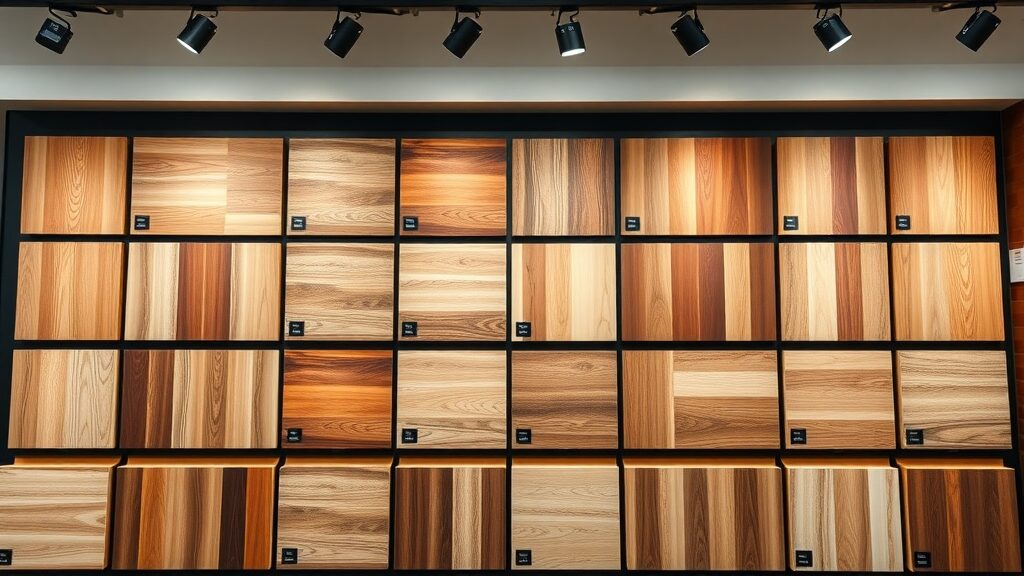
Today’s hardwood flooring trends highlight wider planks, matte finishes, and lighter tones like white oak and birch for an airy, timeless effect. Classic choices like rich walnut or red oak remain popular among traditionalists. In laminate flooring , modern gray hues, weathered finishes, and herringbone or chevron patterns are especially sought after, allowing homeowners to achieve bold or subtle effects that mimic rare and exotic woods.
Room-by-Room Recommendations: Choosing Hardwood or Laminate Flooring
- Best rooms for solid hardwood: living room, dining room, bedroom
- Ideal spaces for laminate: basements, kitchens, high-traffic areas
If you’re updating a formal living room, dining space, or master suite, hardwood floors elevate elegance and value, making them a top flooring option for low-moisture areas. Bedrooms and hallways also benefit from the natural warmth, quiet, and underfoot comfort of wood flooring.
For basements, utility spaces, or busy family kitchens where spills, kids, or pet claws are common, laminate flooring shines. Offering durability and waterproof options, laminate floors can handle life’s messiest moments with style, making them a practical choice in active households or commercial environments.
Real Homeowner Experiences: Hardwood and Laminate Floor Case Studies
“After years of use, our hardwood floor still looks new—with a little extra care, it’s worth the investment.” – Homeowner in Missouri
Many homeowners report that while initial costs for hardwood were higher, their satisfaction and pride in ownership have only grown. Proper care, refinishing, and responsible use can make the floor look beautiful decade after decade. On the other hand, families with young children and pets celebrate laminate for its ability to withstand playtime accidents, muddy paws, and the relentless pace of household traffic—all while keeping their spaces looking fresh for years.
Both flooring options receive high marks for transforming the feel and function of spaces, but the decision often comes down to balancing aesthetics, lifestyle demands, and budget realities.
Pro Tips for Selecting Between Hardwood vs Laminate Flooring
- Assess your home’s traffic level – High-traffic homes or families with pets may lean toward laminate; formal or low-traffic rooms are ideal for hardwood.
- Consider allergy concerns – Wood and laminate floors are both hypoallergenic and easy to keep dust-free, but avoid carpets and focus on low-VOC options.
- Evaluate long-term vs short-term needs – Hardwood is ideal if you plan to stay for years; laminate is perfect for fast improvements or rentals.
- Match flooring to décor preference – Decide if timeless character (hardwood) or trendy, bold looks (laminate) suit your vision.
- Account for budget and installation time – Laminate flooring wins for speed and savings; hardwood is an investment in craftsmanship and value.
Which is better, laminate or hardwood flooring?
Expert Comparison: Unpacking Performance and Value
The answer depends on your priorities. Hardwood flooring leads in natural beauty, longevity, and long-term value, especially in home resale and luxury appeal. On the flip side, laminate flooring excels at resisting scratches, accommodating tight budgets, and offering on-trend looks. Homeowners seeking a lifetime investment or the unmistakable feel of real wood should choose hardwood floors, while those needing quick, affordable updates—especially in active, family-centered environments—will benefit most from the advantages of laminate.
Ultimately, the best flooring option is the one that fits your family, lifestyle, taste, and future plans.
What is the downside to laminate flooring?
Critical Drawbacks and Considerations
Laminate flooring’s key disadvantage lies in its inability to be refinished—once the wear layer is worn through or severely damaged, replacement is necessary. It can feel less authentic underfoot, and lower-quality products may have synthetic or hollow sounds. Laminate can also be sensitive to water damage if standing water invades seams or if installation is improper, leading to swelling or delamination. For spaces demanding authenticity, longevity, or luxury, real wood floors outshine laminate, but for quick beauty on a budget, laminate remains a top contender.
What is the downside of wood flooring?
Solid Hardwood Floor Maintenance and Cost Factors
Hardwood flooring requires a significant upfront investment and professional installation. Maintenance can be demanding—spills must be addressed quickly, and the surface may need to be refinished over time. Susceptibility to scratches and water damage means homeowners must be proactive about protection. In humid or moisture-prone areas, solid hardwood can warp, making it a less practical solution for basements and bathrooms. However, many homeowners believe the timeless appeal and resale value outweigh these drawbacks, especially for long-term living.
Is hardwood better than laminate for resale value?
Resale Value Analysis: Hardwood Flooring vs Laminate Flooring
Yes— hardwood floors consistently yield higher resale value in real estate markets. They are a sought-after amenity, often justifying a premium price tag for buyers and reducing time on the market. Laminate can visually replicate hardwood but rarely delivers the same long-term investment premiums. If maximizing property value is your end goal, investing in hardwood flooring is the superior choice for long-term gains.
Frequently Asked Questions on Hardwood vs Laminate Flooring
- Can you refinish laminate floors?
No—laminate’s surface is a protective wear layer over a printed design and cannot be sanded or refinished. Replacement is necessary once it’s worn or damaged.
- How long does solid hardwood last?
With proper care, a solid hardwood floor can endure for generations—often 50 to 100 years or more with periodic refinishing and maintenance.
- Are laminate floors water-resistant?
Many quality laminate floors are water-resistant, but not waterproof. It’s important to clean up spills promptly to prevent swelling or warping at the seams.
- What about pets and children?
Both laminate and hardwood offer hypoallergenic surfaces. Laminate’s tough wear layer resists scratches from claws and spills from kids, while hardwood rewards proper care with lasting beauty.
Hardwood vs Laminate Flooring Key Takeaways
- Hardwood offers unmatched natural beauty and longevity
- Laminate is budget-friendly and easy to install
- Choose based on room usage, durability needs, and budget
Ready for Beautiful Floors? Get Your Hardwood or Laminate Flooring Quote
Get quality flooring and 5-star service—call HomeTown Floors today at (636) 244-4951 or book online at www.hometownfloorsonline.com !
Flooring Installation Services in O’Fallon, St. Charles County & Surrounding Areas
HomeTown Floors is proud to serve homeowners and businesses with professional flooring installation, hardwood, vinyl plank, carpet, and tile services throughout O’Fallon, St. Charles County, and the Greater St. Louis area. Our service areas include Ballwin, Chesterfield, Des Peres, Eureka, Fenton, Frontenac, Innsbrook, Jefferson County, Kirkwood, Lincoln County, Manchester, St. Charles, St. Peters, Sunset Hills, Town & Country, Union, Washington, Weldon Spring, Wentzville, and Wildwood.
We specialize in flooring design consultations, product selection, and expert installation to give your home or business a beautiful, long-lasting finish. Trust HomeTown Floors for 5-star flooring service and local expertise that sets us apart in Missouri.
by Tony Foulon | Before & After Project Spotlights
Did you know? According to the latest trends, homeowners who update their flooring design ideas can boost their property’s perceived value by up to 15% —just by refreshing what’s underfoot! Whether you’re aiming for bold statement floors, classic charm, or future-forward looks, the right floor can absolutely transform a space. In this comprehensive guide, you’ll discover standout flooring ideas, get expert recommendations, and learn actionable tips for every room. Ready to make your home stand out from the ground up? Let’s dive into creative flooring options that blend style, durability, and function!
A Fresh Take on Flooring Design Ideas: Surprising Stats and Creative Insights
Choosing flooring design ideas used to be about simple function, but today, it’s an expressive art and a practical investment. A 2023 survey by the National Flooring Industry revealed that 76% of homeowners now view floors as the foundation of their interior design strategy. In fact, more than half of design studio professionals believe the right flooring can anchor a room and guide all further décor choices. But it’s not just about looks—modern options like luxury vinyl , sustainable wood flooring, and high-definition tile flooring offer durability, easy maintenance, and eco-friendly appeal. Creative room floor concepts are reshaping homes into personalized sanctuaries, where bold tiles or timeless hardwoods tell a story at every step.
Thanks to technological advances such as ceramic tiles or intricate wood floor patterns, there’s never been a better time to experiment. These innovative materials let you break from tradition, swap out dull floor tiles for something vibrant and graphic, and even add interactive flooring for modern lifestyles. The result? Spaces that look like they came straight from a top-tier design magazine but are tailored to your lifestyle—and your budget. As we unpack popular and unique flooring ideas below, you’ll see why the right surface changes everything.

Standout Flooring Ideas to Transform Your Space with Style
- Bold floor tiles for dramatic entryways
- Luxurious hardwood floors in living rooms
- Checkerboard floor patterns in kitchens
- Versatile vinyl flooring for high-traffic areas
- Timeless wood floor accents for tranquil bedrooms
When it comes to making a strong first impression, nothing beats a thoughtfully chosen floor. Bold floor tiles in entryways instantly announce your design vision, using color and pattern to energize your home from the moment guests walk in. In the living room, luxurious hardwood floors set a warm, inviting tone—earthy wood tones pair seamlessly with both neutral palettes and vibrant accent colors. Checkerboard floor patterns in the kitchen are making a celebrated comeback, seamlessly merging retro flair with modern sophistication. These distinct tile flooring ideas work especially well in open-concept spaces, grounding your aesthetic while allowing flexibility for future updates.
High-traffic areas like hallways and mudrooms benefit from versatile vinyl flooring, renowned for its impressive durability and ease of maintenance. Meanwhile, tranquil bedrooms often shine with timeless wood floor accents, where subtle texture and classic plank flooring add a sense of calm. There’s truly a design idea for every preference and budget, so don’t hesitate to mix and match materials to reflect your personality while ensuring longevity and cohesion.
How to Choose the Right Flooring Design Ideas for Every Room
Finding the perfect flooring design ideas requires balancing style, function, and budget. Define the purpose of each space first: Kitchens and entryways demand water-resistant, durable floor tiles or vinyl plank flooring that can withstand heavy foot traffic and occasional spills. For living rooms and bedrooms, opt for hardwood floor or luxury vinyl options that provide warmth, comfort, and a timeless aesthetic. Remember, your flooring choice lays the groundwork for all other décor decisions, so consider colors, furniture, and wall tones.
It’s also important to factor in maintenance and lifestyle needs. Families with pets or young children might lean towards scratch-resistant vinyl plank or tile flooring, while allergy sufferers prefer hypoallergenic surfaces such as hard-surface wood floors. Using a cohesive palette across adjoining spaces achieves visual flow and a sense of expansion—especially valuable in compact homes. Ultimately, whether you’re drawn to bold checkerboard patterns or the understated elegance of wood tone floor tiles, choose flooring options that blend looks with long-term performance.
Exploring Timeless vs. Trendy: Flooring Ideas That Last
The best flooring design ideas skillfully blend enduring classics with on-trend details. Timeless flooring ideas—think solid wood flooring, herringbone parquet, or neutral stone-look tiles—anchor a home with ageless sophistication. Trend-driven choices, like bold graphic floor tiles or ceramic tiles that change color, inject personality and wow factor, but may not always stand the test of time as preferences evolve. The secret? Incorporate trendy elements through area rugs, accent borders, or smaller spaces, while reserving your investment for flooring options with proven appeal.
If you value versatility, opt for wood floors in a natural stain, porcelain tile in understated hues, or high-quality vinyl plank flooring. These surfaces adapt effortlessly to changing interior design styles, providing a flexible backdrop as you refresh furniture, artwork, or paint. And don’t forget: Hiring an expert from a design studio or flooring retailer ensures you get guidance on emerging trends—without sacrificing the integrity of your space. A well-chosen room floor design will feel fresh today and classic for years to come.
Wood Floor Wonders: Ideas for Warmth and Texture
Unique Wood Flooring Patterns and Finishes
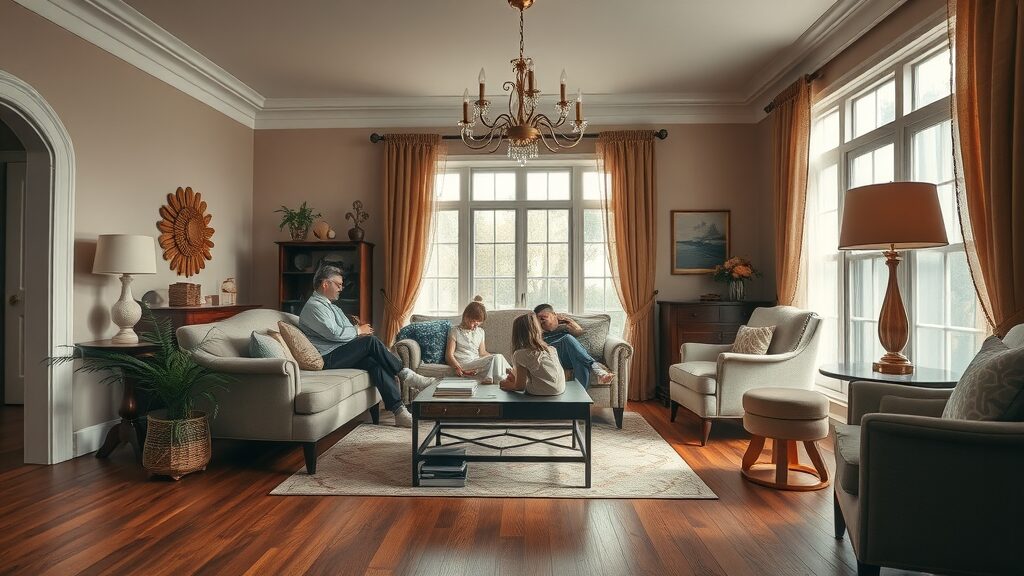
There’s a reason wood floor options remain at the forefront of modern and classic interiors. Unique patterns such as chevron, herringbone, and basket weave transform traditional hardwood floors into show-stopping statements. Combining different wood tones or finishes—matte, high gloss, or hand-scraped—adds dimension and visual interest, making even small spaces appear dynamic. Consider accenting a living room with wire-brushed oak or reclaimed wood for an eco-chic vibe, or opt for dark walnut hardwood floors in a study for a touch of drama.
More homeowners are also experimenting with mixed-width plank flooring, pairing wide and narrow boards for custom, artisanal flair. These design choices look especially striking when set against white walls or soft, neutral décor. If you’re working with a design studio, inquire about custom inlays, medallions, or border treatments that echo your home’s architectural details—these subtle touches elevate your space and highlight your unique style.
Sustainable Hardwood Floor Choices
Eco-conscious design is quickly becoming a must for discerning homeowners. Sustainable wood flooring uses responsibly sourced timber and low-emission finishes, reducing your home’s environmental footprint while delivering timeless appeal. Options like FSC-certified oak, bamboo, and reclaimed hardwood floors strike the perfect balance between luxury and sustainability. These floors aren’t just a good choice for the planet—they bring subtle texture, warmth, and character to bedrooms, living rooms, and beyond.
New technologies in the flooring industry also allow for engineered wood floors that mimic the beauty of solid hardwood but use fewer resources. Their durability and stability are ideal for busy families, as they resist warping or expanding in fluctuating climates. A sustainable hardwood floor is more than a design idea—it’s a long-term investment in your home and the environment.

Tile Flooring Transformations: Design Ideas Beyond the Ordinary
Classic Floor Tile Inspirations
Few surfaces match the versatility of tile flooring . From radiant porcelain tiles in the entryway to elegant marble in the bathroom, tiles stand out for durability, easy cleaning, and endless design possibilities. Classic floor tile layouts—such as hexagon, subway, or basket weave—impart a timeless aura and can be dressed up or down with grout color, size variation, or pattern. If you seek subtle texture, consider natural stone-look tiles that pair well with minimalist modern or farmhouse interiors.
For a truly personalized touch, use tiles as a canvas for decorative borders, mosaic inlays, or creative transitions between rooms. Not only do these small design ideas elevate visual interest, but they also act as practical guides for zones or pathways—so you’ll always have function alongside form.
Checkerboard Floor and Bold Graphic Tiles
The checkerboard floor is a celebrated classic that’s become one of today’s hottest flooring trends. Black-and-white checkerboard floor tiles inject instant personality into kitchens, powder rooms, and even laundry areas. Beyond monochrome, bold graphic tile flooring—think geometric motifs, encaustic patterns, or vibrant color blocks—transform otherwise neutral spaces into true showpieces. These tile floors are perfect for those seeking an interior design that stands out while keeping the rest of the space simple.
To balance boldness with practicality, use dramatic tiles in small areas or as a feature zone within an open layout. Lighter grout and soft accent colors keep high-contrast patterns from overwhelming, allowing you to experiment with floor tiles in even the coziest home settings.
Luxury Vinyl Plank Flooring Ideas for Modern Lifestyles
Waterproof Vinyl Flooring for Busy Homes
Luxury vinyl plank flooring has surged in popularity, offering a versatile and affordable alternative to natural wood or stone. Modern vinyl flooring mimics the texture, color, and grain of wood or stone while boasting remarkable water and scratch resistance. This makes it a good choice for families with children, pets, or busy lifestyles, as it withstands spills, scuffs, and daily foot traffic without losing its luster. Waterproof variants are a boon for kitchens, entryways, and bathrooms—anywhere you need durability without compromising on style.
The installation process for vinyl plank is straightforward, often requiring no glue and limited specialized tools. This convenience appeals to DIY enthusiasts and budget-savvy renovators alike. With a wide range of plank widths, wood tones, and even tile floor graphics, you can match virtually any décor, from rustic farmhouse to sleek contemporary.
Color and Pattern Choices in Vinyl Flooring
Vinyl flooring isn’t just about performance—it’s a design chameleon. The variety of color and pattern options, from pale white-washed wood floors to dark ebony planks and even patterned graphic tiles, allows you to personalize every room. Want your living room to feel open and serene? Opt for light oak vinyl plank flooring paired with soft white walls. For a modern twist in the kitchen or entryway, choose herringbone or chevron vinyl floor layouts that mimic high-end hardwood or tile designs minus the maintenance headaches.
Luxury vinyl is also available in unique patterns such as terrazzo floors, stone mosaics, and concrete looks. These alternatives let you introduce industrial vibes or mid-century flair into your home—without the cost and installation complexities associated with authentic stone or concrete floors. No matter the design concept, vinyl plank flooring remains a standout among contemporary flooring ideas.
Room-by-Room Flooring Ideas: Best Design Tips and Inspirations
| Room |
Flooring Design Idea |
Notable Feature |
| Entryway |
Porcelain tile |
Durable & statement-making |
| Living room |
Wide plank hardwood |
Warmth and timeless appeal |
| Kitchen |
Checkerboard floor tiles |
Retro-modern charm |
| Bathroom |
Stone-look vinyl |
Water-resistant and chic |
| Bedroom |
Light oak wood flooring |
Tranquil and airy feel |
Each room in your home calls for a different balance of style, function, and comfort. Entryways set the tone, so opt for hardy porcelain tile in lively patterns or dramatic hues. Living rooms benefit from wide plank hardwood for warmth and timelessness, while checkerboard floor tiles lend kitchen spaces retro-modern flair. Bathrooms often demand water-resistant stone-look vinyl, blending practicality with sophistication, and bedrooms beam with light oak wood flooring, offering a tranquil, airy feel. Choosing the right room floor design enhances every area’s usability and aesthetics, elevating the look of your entire home.
Expert Quotes on the Power of Flooring Design Ideas
“Flooring design ideas do more than ground your décor—they set the tone for the entire home.” – Jane Elliot, Interior Designer
Most Popular Flooring Ideas for New Homes
- Natural hardwood floors
- Luxury vinyl plank flooring
- Porcelain tile floor in bathrooms
- Open-plan seamless tile flooring
- Checkerboard floors for bold kitchens
Trends in new construction clearly favor flooring design ideas that are both beautiful and low-maintenance. Natural hardwood floors and luxury vinyl plank remain top picks for living spaces, while porcelain tile floors dominate in bathrooms for their durability and water resistance. Open-plan seamless tile flooring connects kitchen, dining, and family spaces, fostering flow and cohesion. For those wanting a statement, checkerboard kitchen floors unite whimsy and modern design in one bold move. These options are not only on-trend but also deliver enduring value for today’s homeowners.
Budget-Friendly Flooring Design Ideas That Don’t Skimp on Style
- Peel-and-stick vinyl flooring
- Classic floor tiles in affordable ceramics
- Engineered wood floors mimicking hardwood
- Removable room floor rugs as temporary design fixes
- Painting floor tiles for customization
Updating your home doesn’t have to break the bank. Peel-and-stick vinyl flooring provides a quick, affordable solution for renters and homeowners alike—offering the look of luxury vinyl with minimal commitment. Classic ceramic floor tiles are cost-effective, durable, and available in a dizzying array of patterns, making them a good choice for DIYers. Engineered wood floors mimic the beauty of hardwood floor but are easier on the wallet thanks to their layered construction. Removable floor rugs can be swapped out seasonally for an instant room refresh, while painting floor tiles is a creative customization hack for small spaces. These budget-friendly flooring ideas prove you never have to sacrifice style for savings.

Do’s and Don’ts: Design Ideas for Flooring that Wow
- Do coordinate flooring design ideas across rooms for continuity
- Don’t overlook the durability needed for each space
- Do experiment with bold floor tile shapes or checkerboard floor layouts
- Don’t choose wood flooring for full bathrooms
Coherence is key for beautiful flooring design ideas —ensuring a seamless flow from room to room. Coordinate color palettes and materials for a connected look, especially in open floor plans. Durability should never be sacrificed for appearance; always pick surfaces suited to each room’s demands. Don’t shy away from playful designs, like bold tile floors or checkerboard layouts that read as custom and curated. However, avoid placing porous wood flooring in wet zones like bathrooms; stick to water-resistant tile or vinyl flooring there instead. Following these do’s and don’ts helps you avoid costly mistakes and ensures long-lasting style.
Pro Tips to Maximize Room Floor Flow and Cohesion
To create visual unity in your home, start by selecting flooring design ideas with consistent undertones and material transitions. Extending the same or similar wood floors through connected spaces, for instance, makes rooms appear larger and more inviting. If you mix materials—such as tile and hardwood—opt for complementary hues and transition strips to prevent jarring contrasts. Strategic placement of area rugs can also delineate open-plan living zones without disrupting the flow of your floor design. For tight budgets, focus on one or two statement floors while keeping the rest of your layout classic and neutral. Consulting a design studio or using online visualizers can give you the confidence to blend choices beautifully throughout your home.
Design Tools and Visualizers to Experiment With Flooring Ideas
Before making a final decision, use digital design tools and floor visualizers from major flooring retailers or interior design platforms. These interactive tools let you upload photos of your own rooms, swap out different flooring options, and preview styles in real-time. Experiment with various wood tone stains, tile floor patterns, and luxury vinyl graphics to see how each option works with your home’s lighting, color palette, and furniture. Many platforms offer expert tips based on algorithms and trending flooring ideas, making it easy to narrow your choices based on style, budget, and functionality. This hands-on approach takes the guesswork out of flooring design and ensures results you’ll love for years to come.
Watch a walkthrough of trending flooring design ideas, including diverse tile patterns, modern and classic installations, and before-and-after transformations in real homes. See how each floor creates a unique mood and maximizes style and function.
Follow a practical video guide that covers best practices for preparing your subfloor, laying plank flooring, and achieving flawless results—whether installing classic hardwood or modern luxury vinyl.
People Also Ask: Trending Questions on Flooring Design Ideas
What is the trend now for flooring?
Currently, the biggest flooring trends include wide plank wood floors, patterned tile floors (especially checkerboard styles), and eco-friendly materials like bamboo or reclaimed wood. There’s also a growing preference for luxury vinyl plank flooring that combines the look of natural materials with superior durability and water resistance. Additionally, innovative options such as LED tiles are emerging, letting homeowners personalize their room flooring with interactive features.
What is the rule of 3 flooring?
The “rule of 3” in flooring suggests limiting your home to no more than three different types of flooring materials. This guideline helps maintain visual cohesion, prevents a patchwork feel, and enhances room-to-room flow. For example, you might choose hardwood floors for living spaces, tile flooring for wet areas, and carpet or vinyl for bedrooms. Sticking to this rule ensures your flooring ideas blend harmoniously throughout the home.
What is the most popular flooring in new homes?
Natural hardwood floors and luxury vinyl plank flooring are currently the most popular choices in new homes. Hardwood offers timeless beauty and value, while vinyl plank is favored for its realistic look, affordability, and resistance to water and wear. Porcelain tile flooring remains a staple in bathrooms and kitchens, and trendy checkerboard floors are making a comeback in bold, design-forward kitchens.
What floor never goes out of style?
Solid wood flooring—especially in classic oak, maple, or walnut—never goes out of style. Its natural variation, warmth, and elegance provide a versatile backdrop for virtually any décor. Neutral-toned tile floors and stone-look tiles are also considered timeless choices, offering longevity and enduring appeal across changing trends.
FAQs: Flooring Design Ideas in Practice
- Are luxury vinyl floors suitable for homes with pets?
Yes! Luxury vinyl flooring is scratch-resistant, durable, and waterproof, making it an excellent choice for homes with pets. Its easy-clean surface resists stains and pet accidents, keeping your floors looking new.
- How often should hardwood floor be refinished?
Hardwood floor refinishing frequency depends on traffic, finish type, and maintenance. Most experts recommend refinishing every 7–10 years or when you notice dullness, scratches, or significant wear. Regular cleaning extends the lifespan between refinishings.
- Do bold checkerboard floor tiles work in small spaces?
Yes, bold checkerboard floor tiles can make small spaces pop. In compact areas, use light or pastel tones with narrow grout lines to prevent overwhelming the room. Pair with neutral walls and furniture to keep the look balanced and sophisticated.
- Which room floor options are best for allergy sufferers?
Hard-surface flooring like hardwood, vinyl plank, and tile floors are best for allergy sufferers, as they don’t trap dust, pet dander, or pollen. Avoid carpets and opt for easy-maintenance flooring with minimal seams. Regular cleaning with a HEPA vacuum further improves air quality.
Key Takeaways for Flooring Design Ideas That Elevate Any Home
- Mixing timeless materials with modern patterns maximizes impact
- Durability and cohesion should guide your flooring design ideas
- Innovative options like LED tiles add personality and value
Ready to Bring Your Flooring Design Ideas to Life?
Get quality flooring and 5-star service—call HomeTown Floors today at (636) 244-4951 or book online at www.hometownfloorsonline.com !
by Tony Foulon | Before & After Project Spotlights
Did you know that traditional flooring materials contribute to over 10% of landfill waste globally every year? If you’re searching for flooring options that match your values and style, it’s time to explore eco-friendly flooring solutions. This in-depth guide will help you make sustainable choices that benefit both your home and the planet—reducing your carbon footprint while transforming your living space into an inviting, modern haven. From bamboo flooring and cork flooring to recycled tiles and wool carpets, you’ll learn which flooring material fits your needs, how to identify authentic sustainable options, and how to maximize your investment in friendly flooring. Let’s change your floors—and the world—one plank at a time.
- Did you know that traditional flooring materials contribute to over 10% of landfill waste globally every year? This comprehensive guide showcases proven eco-friendly flooring solutions that not only reduce environmental impact but also add value and style to your space.
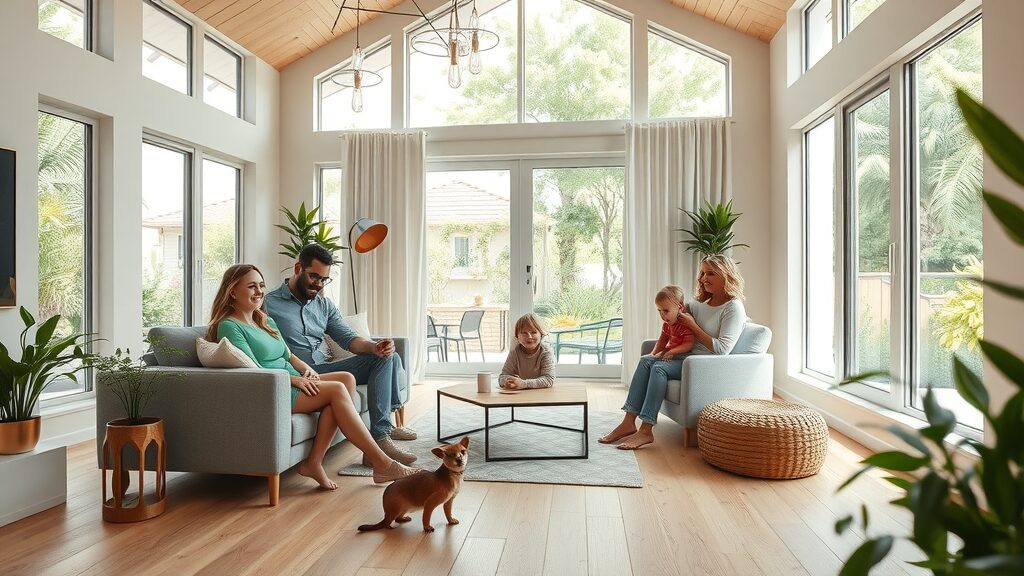
Eco-Friendly Flooring Solutions: Transform Your Home and the Planet
Eco-friendly flooring solutions are more than just a trend—they’re a powerful way to align your home with sustainability and health. Modern consumers seek out eco-friendly flooring options not only for their low environmental impact but also for their many practical benefits. These flooring solutions use materials like bamboo, cork, reclaimed wood, and recycled tiles, all chosen for their low toxicity, renewability, and lasting appeal.
When you opt for eco-friendly flooring, you’re not compromising style or quality. Instead, you’re investing in floors that are designed for durability, elegance, and long-term savings. Sustainable flooring solutions can enhance your home’s air quality, offer striking design possibilities, and provide exceptional comfort underfoot. Whether your priority is minimal environmental impact or a healthier home for your family, today’s friendly flooring options offer a wide range of advantages and choices to suit every style and budget.
Understanding Eco-Friendly Flooring Solutions: The Need for Sustainable Choices
Why Eco-Friendly Flooring Solutions Matter: Environmental, Health, and Economic Benefits
- Improved indoor air quality, sustainable resource use, long-lasting value, and reduced environmental footprint.
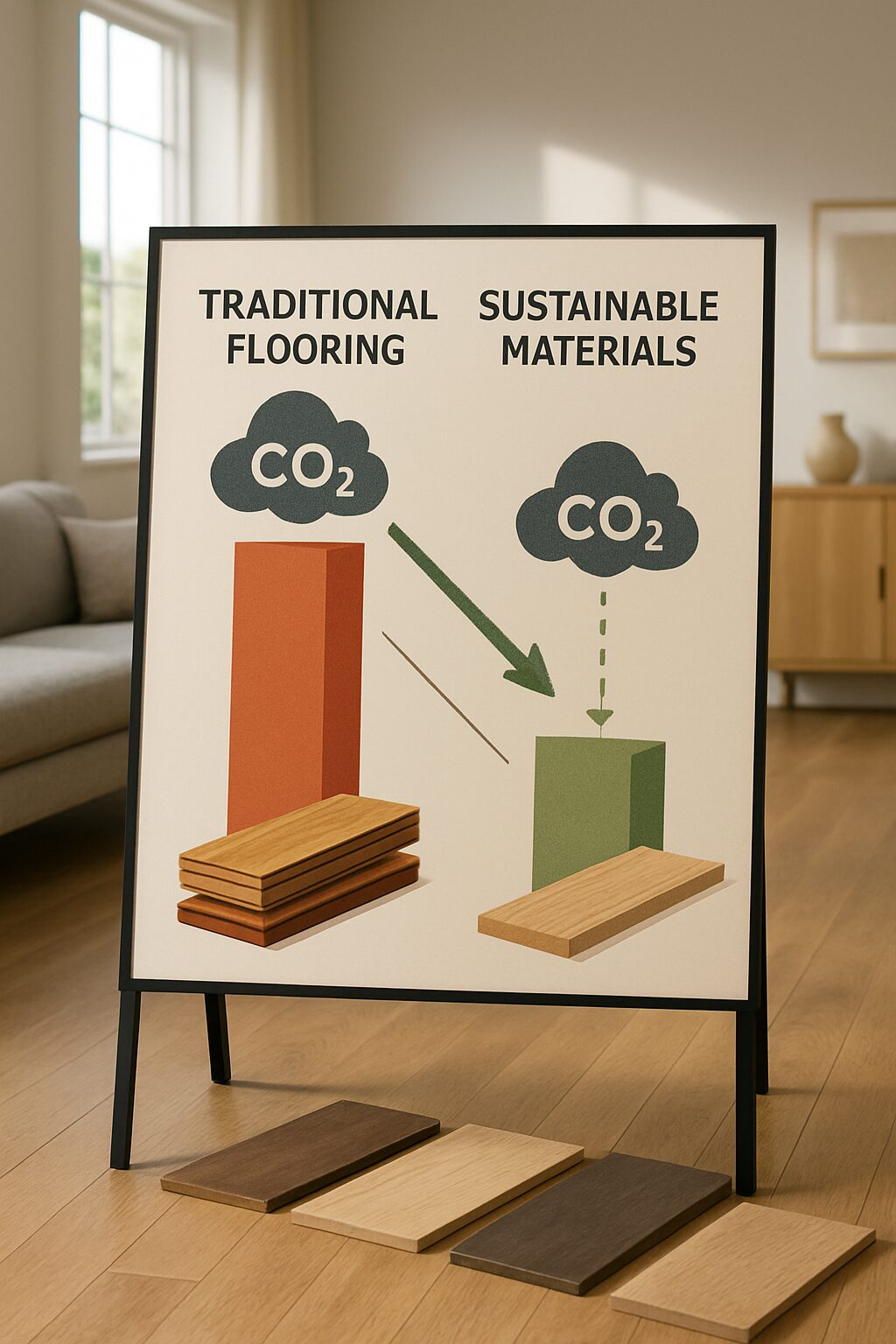
Choosing sustainable flooring isn’t just about aesthetics; it’s about impact. Traditional flooring can emit volatile organic compounds (VOCs), cause deforestation, and lead to waste that lasts decades in landfills. Eco-friendly flooring solutions, by contrast, are purposefully designed to minimize environmental impact from harvest to installation. Materials like bamboo and cork flooring grow quickly and regenerate, while reclaimed wood flooring repurposes existing resources, sparing forests and wildlife.
From a health standpoint, sustainable flooring often means fewer harmful chemicals and better indoor air quality—especially important in family spaces. Economic factors are also compelling: While some eco-friendly floors have a higher upfront cost, they often deliver long-term savings thanks to their durability and lower maintenance needs. By making eco-conscious choices now, homeowners can realize value that goes far beyond their flooring solution’s surface.
How to Identify Genuine Eco-Friendly Flooring Options
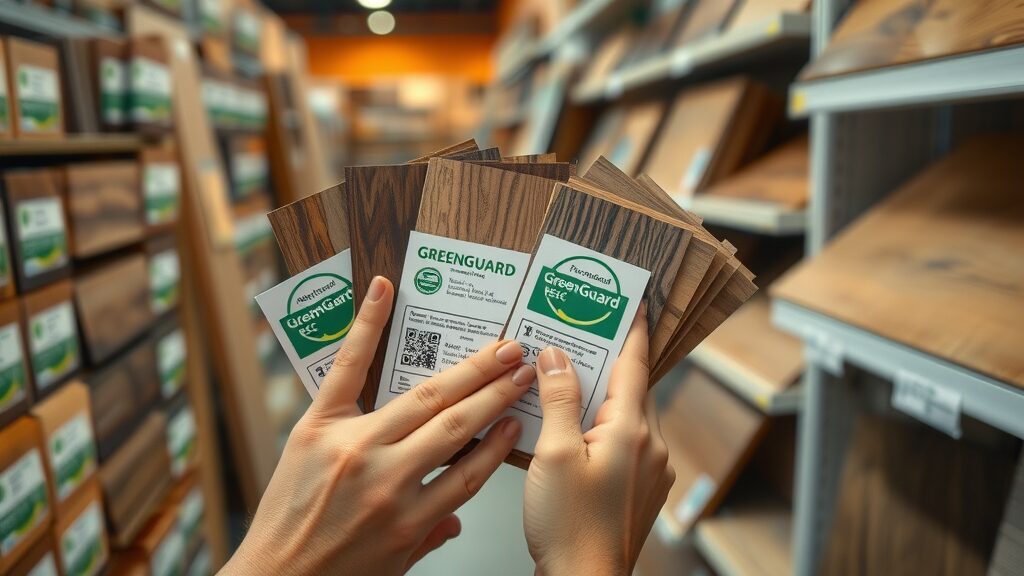
- Certifications (FSC, GreenGuard), renewable sources, low-VOC finishes, and responsible manufacturing practices.
Not every product claiming to be a sustainable flooring solution lives up to the hype. Look for independent certifications such as the Forest Stewardship Council (FSC) for wood flooring and GreenGuard for low emissions. Materials used should be rapidly renewable, recycled, or reclaimed, and manufacturers should be transparent about sourcing and production. Low-VOC adhesives and finishes are essential for healthy, friendly flooring.
Responsible brands will disclose where raw materials come from—such as bamboo from managed forests or cork harvested from the bark of the cork oak without harming the tree. Ask about the product’s life-cycle impacts, recycled content, and maintenance requirements. By demanding these details, you’ll ensure your new flooring option is truly eco-friendly and contributes to a healthier home and planet.
Comprehensive Overview of Sustainable Flooring and Friendly Flooring Solutions
Top Sustainable Flooring Materials: What Sets Them Apart?
- Explore bamboo flooring, cork floor, reclaimed wood flooring, linoleum, recycled tile, and eco-friendly carpeting.
There’s a wide range of sustainable flooring options available for modern homes. Bamboo flooring delivers the beauty of hardwood flooring but comes from a rapidly renewable grass rather than slow-growing trees. Cork flooring is harvested from the bark of cork oak trees—no trees are cut down, making this a highly renewable material. Reclaimed wood flooring upcycles existing timber, providing a historic look and a sustainable edge.
Linoleum is making a comeback as a biodegradable classic, made from linseed oil, wood flour, and jute. Recycled tiles, crafted from post-consumer glass or ceramics, turn waste into modern masterpieces. Wool carpeting offers comfort, hypoallergenic properties, and is made from natural fibers. Each friendly flooring solution offers a unique blend of style, durability, and environmental responsibility—helping you create a healthier home and a greener world.
Sustainable Flooring vs. Traditional Options: How Do They Compare?
|
|
|
|
Comparing Eco-Friendly Flooring Solutions vs. Conventional Flooring Options |
| Flooring Option |
Durability |
Cost |
Environmental Impact |
Aesthetics |
| Bamboo Flooring |
High |
Moderate |
Very Low |
Modern, Sleek |
| Cork Flooring |
Moderate |
Moderate |
Very Low |
Warm, Unique |
| Reclaimed Wood Flooring |
Very High |
Higher |
Lowest |
Rustic, Timeless |
| Traditional Hardwood Flooring |
Very High |
High |
High |
Classic, Variable |
| Carpet (Synthetic) |
Moderate |
Low |
Very High |
Soft, Variable |
| Vinyl/Plastic |
High |
Low |
Very High |
Varied |
As the table shows, eco-friendly flooring materials often outperform conventional flooring options in sustainability and health, while still offering competitive durability and a variety of design choices.
Bamboo Flooring: A Fast-Growing Eco-Friendly Flooring Solution
Advantages of Bamboo Flooring as a Friendly Flooring Option
- Rapid renewability, comparable hardness to hardwood flooring, and unique design appeal.
Bamboo flooring is celebrated for its rapid growth rate—making it a leading renewable material in the flooring industry. Harvested every 3-5 years, bamboo outpaces traditional wood, which can take decades to mature. When processed into flooring material, it becomes as hard as many hardwood flooring types and offers resistance to dents and scratches. The unique grain and color variations of bamboo add contemporary flair to friendly flooring solutions, satisfying design-conscious homeowners.
This sustainable flooring option is naturally pest-resistant, requires fewer pesticides, and thrives without chemical fertilizers. It provides a clean, modern look and works well in almost any room, making bamboo flooring a top pick for those seeking eco-friendly flooring solutions without sacrificing style or strength.
Installation and Maintenance Tips for Bamboo Flooring
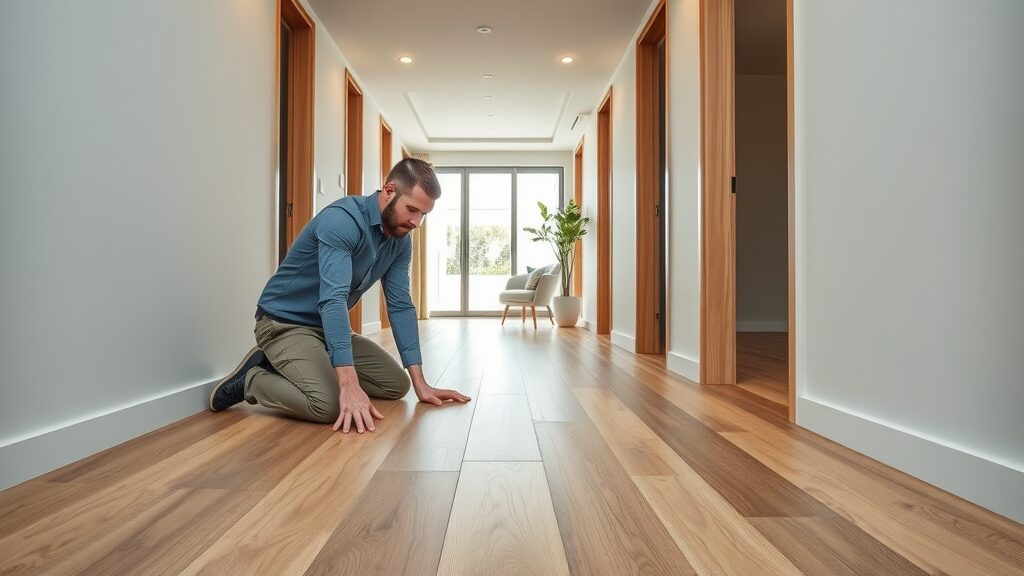
Installing eco-friendly bamboo flooring can be done as a floating, nail-down, or glue-down floor, depending on your room’s needs. Always use low-VOC adhesives to maintain healthy indoor air quality during and after installation. Proper acclimation of bamboo planks to your home’s humidity will prevent warping.
Maintenance is straightforward: Sweep or vacuum regularly, use a damp mop for cleaning, and avoid excessive water. Place mats at entryways to reduce grit and prevent scratches. Rapid installation and easy upkeep add to bamboo’s reputation as a practical and attractive friendly flooring option for modern living.
Cork Flooring: Unique Aesthetics with Stellar Sustainability Credentials
Benefits of Cork Floor in Eco-Friendly Flooring Solutions
- Naturally renewable, hypoallergenic, thermal insulation properties, and shock-absorbency.
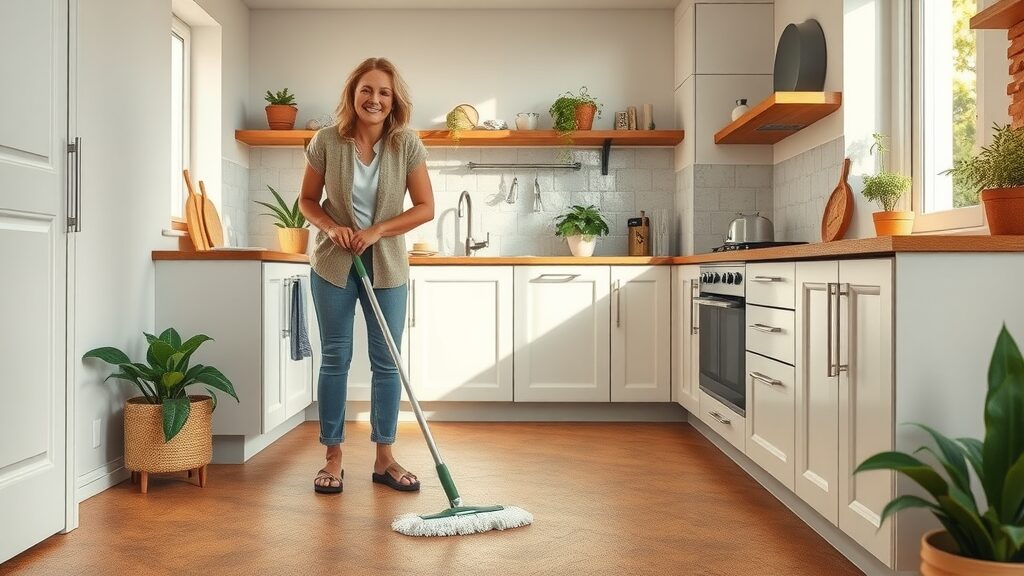
Cork flooring comes from the bark of the cork oak tree, harvested every 9–12 years without harming the oak tree itself. This makes cork a truly renewable material, prized for its sustainability and comfort. The cellular structure of cork floor acts as a natural insulator, keeping your home warm in winter and cool in summer while absorbing shock for gentle support underfoot.
Friendly flooring made from cork is naturally hypoallergenic and resists mold, mildew, and pests, making it ideal for allergy-prone spaces. Besides its environmental and health benefits, cork flooring brings a soft, resilient feel and subtle beauty to rooms, bridging eco values with functional, stylish design.
Ideal Uses and Care Routines for Cork Flooring
Cork flooring works particularly well in bedrooms, kitchens, offices, and playrooms—anywhere you want softness underfoot and a touch of warmth. Protect cork with felt pads on furniture, clean spills promptly, and use PH-neutral cleaners. Reapply natural wax or polyurethane every few years to restore luster and enhance durability.
Installers should seal gaps during installation and acclimate the flooring to reduce expansion and contraction. By respecting cork’s need for gentle cleaning and minor maintenance, you’ll extend its life and preserve its unique friendly flooring qualities.
Reclaimed Wood Flooring: Timeless Beauty, Minimal Environmental Impact
Why Choose Reclaimed Wood Flooring as a Sustainable Flooring Solution?
- Upcycling existing timber, reducing deforestation, each plank tells a story.
Reclaimed wood flooring is the ultimate in eco-friendly flooring solutions for those drawn to authenticity and environmental responsibility. By upcycling wood from old barns, factories, and warehouses, this option reduces waste and preserves historic charm. With no new trees cut down, you’re helping combat deforestation and supporting the circular economy.
Every plank of reclaimed wood comes with a history—visible in its weathered textures and unique grain patterns. Reclaimed wood flooring stands out for its durability and can rival new hardwood flooring, offering unmatched visual richness. It’s a sustainable flooring solution that brings luxury, character, and environmental stewardship home.
Performance and Maintenance Best Practices for Wood Floor Options
Reclaimed wood flooring performs exceptionally well in high-traffic and modern spaces. To keep it looking its best, regularly dust or vacuum, use a damp mop, and address spills quickly to avoid stains. Periodic refinishing with natural oil or wax will revitalize worn areas and keep floors shining.
Use felt pads under furniture to prevent scratches and control humidity to minimize expansion or contraction. Reclaimed wood floors are hardy, but require attentive care—rewarding owners with a surface that gets better with age and aligns with your green living goals.
Other Flooring Solutions: Linoleum, Recycled Tiles, and Wool Carpeting
Linoleum: Classic Yet Sustainable Flooring Choice
- Made from linseed oil, wood flour, and jute backing—biodegradable and durable.
Linoleum is made from natural materials—primarily linseed oil , wood flour, and jute. Unlike vinyl, linoleum is free from synthetic chemicals and plasticizers and is entirely biodegradable. This sustainable flooring option is resilient, antibacterial, and lasts decades when properly maintained, making it a smart pick for those seeking a natural material underfoot.
Linoleum is available in a wide range of colors and patterns, offering versatility for kitchens, hallways, and living areas. Its tough surface resists stains and heavy foot traffic, all while contributing minimal environmental impact.
Recycled Content Tiles: Turning Waste into Friendly Flooring
- Glass and ceramic tile options made from post-consumer materials.
Recycled-content tiles represent another innovative eco-friendly flooring solution. Manufacturers create glass and ceramic tiles from post-consumer recycled materials, diverting significant waste from landfills and transforming it into stylish, durable surfaces. These tiles can be used throughout the home—kitchens, bathrooms, and entryways—and are available in an endless variety of designs.
Eco-friendly tiles are easy to maintain, stain-resistant, and don’t off-gas volatile organic compounds, making them ideal for improving indoor air quality and reducing environmental impact.
Natural Wool Carpet: Superior Indoor Air Quality and Comfort
Natural wool carpeting is made from rapidly renewable sheep’s wool, a non-toxic and highly biodegradable resource. Unlike synthetic carpets, wool is hypoallergenic, naturally resists mold and pests, and doesn’t release toxic chemicals into your home. Wool carpets are luxuriously soft underfoot, regulate temperature and humidity, and provide excellent sound insulation.
Maintenance is easy—vacuum regularly and blot spills promptly. When paired with a jute or natural rubber backing, wool carpeting is the ideal eco-friendly flooring solution for bedrooms, nurseries, and family rooms where comfort and safety are key.

How to Choose the Best Eco-Friendly Flooring Solution for Your Space
Prioritizing Your Flooring Option: Lifestyle, Budget, and Environmental Goals
- Assess traffic, moisture, maintenance level, and long-term value.
When selecting among eco-friendly flooring options, consider your space’s usage and environmental goals. High-traffic areas—like entryways or kitchens—benefit from durable options such as bamboo or recycled tiles. Moisture-prone rooms call for materials that resist water, like linoleum or sealed cork flooring. Think about maintenance preferences; some materials, such as reclaimed wood, need refinishing, while bamboo and wool may only require routine cleaning.
Finally, weigh up your budget with long-term value and environmental impact. Investing in a sustainable flooring solution isn’t just about upfront cost—it’s about lasting quality, reduced replacement cycles, and a home environment that nurtures your family and the earth.
Questions to Ask Suppliers About Eco-Friendly Flooring Options
Before purchasing, always ask your flooring supplier:
– Does the product have third-party certifications for sustainability (FSC, GreenGuard, etc.)?
– What is the content of recycled or renewable materials?
– Are finishes and adhesives free from harmful VOCs and other chemicals?
– Where are raw materials sourced and how are they processed?
– What is the expected lifespan and warranty coverage of the flooring material?
Clear communication ensures you’re investing in a truly eco-friendly flooring solution.
Installation Strategies for Eco-Friendly Flooring Solutions
Professional vs. DIY: What Works Best for Eco-Friendly Floors?
Many eco-friendly flooring solutions can be installed by skilled DIYers, especially click-lock bamboo or cork panels. DIY approaches save money and let you control the adhesives and sealants used. However, installation of reclaimed wood flooring and recycled tiles often require specialized skills for proper fitting, sealing, and finishing. Professional installers bring expertise in handling sustainable and fragile materials and will help prevent waste or mistakes.
Evaluate the complexity of your chosen flooring option, your skill level, and the room’s use before deciding—remember, proper installation ensures both performance and sustainability.
Green Installation Tips: Low-VOC Adhesives, Underlays, and Preparation
Make your new floor as eco-friendly as possible with smart installation strategies. Always use low-VOC adhesives and sealants to reduce indoor air pollution. Choose underlays made from natural fibers like wool, jute, or recycled felt to add comfort and insulation without synthetic chemicals. Prep subfloors thoroughly to ensure maximum lifespan and performance from your sustainable flooring.
Responsible disposal of demolition debris is also a must—donate or recycle old flooring material if possible. By taking a green approach to installation, you complete the circle of sustainability, ensuring every step aligns with your eco-friendly values.

Long-Term Care Steps to Maximize Friendly Flooring Lifespan
Routine Maintenance for Wood Flooring, Bamboo Flooring, and Cork Flooring
- Best cleaning agents, moisture management, and scratch prevention.
Regular maintenance is the best way to extend the life of your eco-friendly wood flooring, bamboo, or cork floor. Use a soft-bristled broom, microfiber mop, or vacuum with hard floor settings. Clean with PH-neutral, non-abrasive cleaners—avoid soaking surfaces or using steam, which can damage these natural materials. Manage indoor humidity with dehumidifiers or humidifiers as needed, particularly for wood floor options.
Protect floors by using mats at entries and felt pads under furniture legs. For cork flooring, reseal every few years with a natural wax or water-based polyurethane to prevent moisture absorption and maintain resilience. These routines help maintain the beauty, comfort, and sustainability credentials of your friendly flooring solution over time.
Repair and Refinishing Techniques for Sustainable Flooring
Sustainable flooring doesn’t mean high maintenance—but occasional repairs or refinishing may be needed. For minor scratches or dents, use repair kits recommended by the manufacturer. For deeper damage, sand and reapply natural oil, wax, or low-VOC finishes. Reclaimed wood flooring and bamboo can often be refinished multiple times, extending their lifespan for decades and maintaining their eco-friendly status.
Always consult the manufacturer’s guidelines and use products compatible with the flooring material. Proper care preserves both the appearance and environmental benefits of your sustainable flooring investment.
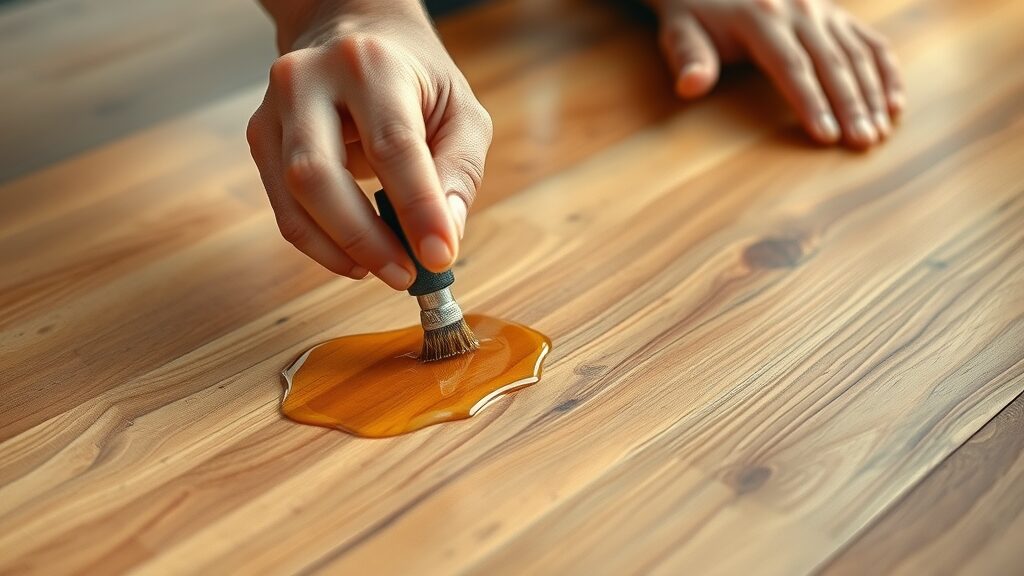
What is the most environmentally friendly flooring option?
Answer: The most environmentally friendly flooring option is typically reclaimed wood flooring, as it reuses existing materials, reduces deforestation, and has a timeless aesthetic.
What is the most environmentally friendly flooring?
Answer: Bamboo flooring and cork floor are both extremely environmentally friendly, sourcing from rapidly renewable materials and requiring minimal resources for production.
What kind of flooring is most environmentally friendly?
Answer: Flooring made from natural, renewable or recycled content, such as cork flooring, bamboo flooring, and recycled tile, are considered the most eco-friendly flooring options available.
What is the most environmentally friendly floor covering?
Answer: Eco-friendly flooring coverings include natural wool carpets, cork floor, and linoleum—all free from toxic chemicals and sourced responsibly.
Spotlight on Trends: Innovative Friendly Flooring Products for Modern Homes
Emerging Eco-Friendly Flooring Options and Materials
- Advances in plant-based composites, sustainable vinyl alternatives, and bioplastics.
The flooring industry continues to innovate with cutting-edge eco-friendly options. New plant-based composites blend renewable fibers like hemp and flax to create high-performance panels. Sustainable vinyl alternatives use safer plasticizers and recycled content, while bioplastic-based tiles and planks minimize dependence on fossil fuels.
Many manufacturers now offer fully circular products—floors that can be fully recycled or composted at the end of their lifespan. As demand grows, expect an even wider range of sustainable flooring solutions with improved aesthetics and reduced environmental impact.
Buyer’s Checklist: Evaluating Sustainable Flooring Solutions
- Checklist with criteria such as certifications, life cycle analysis, durability, and warranty coverage.
When evaluating eco-friendly flooring solutions, use this checklist:
- Certified by credible organizations (FSC, GreenGuard, Cradle to Cradle)
- Made from renewable, recycled, or upcycled materials
- Low-VOC adhesives, finishes, and underlays
- Transparent information about sourcing and manufacturing
- Lifecycle sustainability and recyclability
- Durability and warranty coverage
Notable Quotes from Sustainability Experts and Designers
“Choosing eco-friendly flooring solutions is an investment in the future of both your home and the planet. Sustainable flooring doesn’t mean sacrificing style for environmental consciousness.” — Jane Doe, Eco-Design Specialist
Frequently Asked Questions about Eco-Friendly Flooring Solutions
- Are eco-friendly flooring options more expensive than traditional floors?
While initial costs may be higher, long-term durability and reduced maintenance often make eco-friendly options more affordable over time. Tax credits or incentives may lower up-front expenses too.
- How do I maintain sustainable flooring to extend its life?
Regular cleaning with suitable products, managing humidity, and periodic refinishing will prolong the life of eco-friendly floors like bamboo, hardwood, and cork flooring.
- Can eco-friendly flooring solutions help improve resale value?
Yes. Homebuyers increasingly seek eco-friendly features. Well-maintained sustainable flooring can raise a home’s market appeal and value.
- What warranties are available on sustainable flooring products?
Many manufacturers offer warranties ranging from 10 years to lifetime for their sustainable flooring options. Always ask for details before purchase.
- How do I verify that a product is genuinely eco-friendly?
Check for trusted certifications, ask about material sourcing, and verify that adhesives and finishes are low-VOC or non-toxic. Reputable brands will provide full transparency.
Key Takeaways for Eco-Friendly Flooring Solutions
- Eco-friendly flooring solutions are accessible, diverse, and highly effective at reducing environmental impact.
- Sustainable flooring materials offer both durability and design versatility.
- Careful selection and proper maintenance ensure long-term satisfaction with your eco-friendly flooring investment.
Take Action: Upgrade Your Space with Eco-Friendly Flooring Solutions
Ready to revolutionize your space and the planet? Choose sustainable flooring for a healthier, more beautiful home—start today!
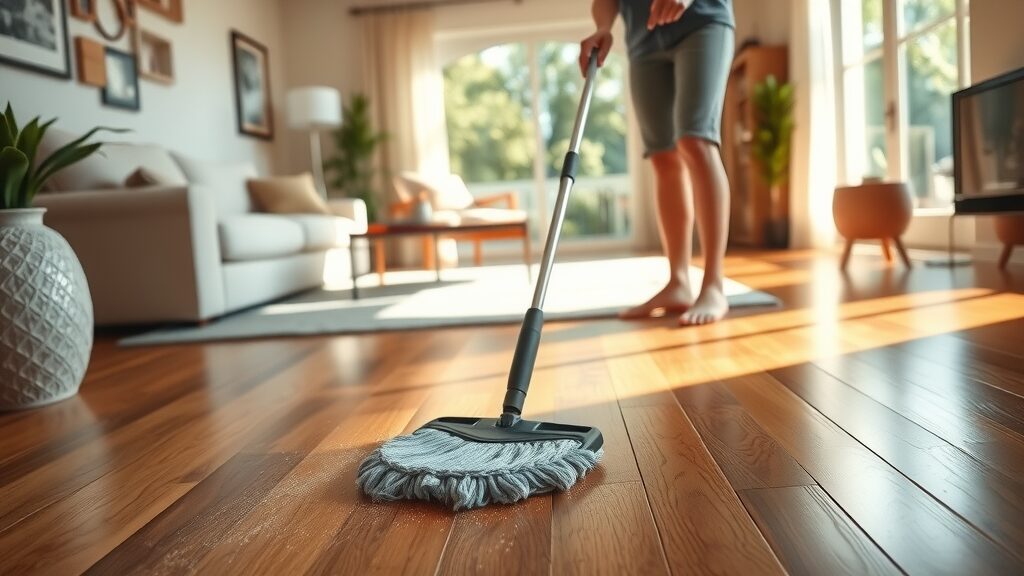
by Tony Foulon | Before & After Project Spotlights

“Did you know that regular floor maintenance can extend your flooring’s lifespan by up to 50%? This flooring maintenance guide reveals expert-backed facts and simple techniques to keep your floors looking new.”
Keeping your floors in pristine condition isn’t just about curb appeal—it’s a proven way to protect your investment, avoid costly repairs, and ensure your home feels clean and healthy every day. In this flooring maintenance guide , you’ll discover practical care tips, routines, and the most effective cleaning products for every major floor surface. Whether you have hardwood, vinyl plank, carpet, or tile, this comprehensive care guide empowers you with daily, weekly, and monthly steps to keep floors looking flawless, fast. Read on to unlock expert-backed strategies that truly extend the life of your floor and make maintenance effortless.
Flooring Maintenance Guide: Why Proper Floor Care Matters
Consistent floor maintenance is one of the easiest ways to enhance durability and beauty in every room of your home. According to flooring industry research, neglected floors can lose their finish, accumulate permanent stains, or even pose safety hazards due to warping and loose boards. On the flip side, homes that follow a precise care guide tend to maintain flooring for years longer, all while reducing allergens and preventing uneven wear. Proper care goes beyond just making your floor look clean—it’s about taking steps that truly protect your investment, making everyday upkeep a breeze and enhancing your home’s value.
Here’s why you should never skip floor care: regular cleaning prevents the buildup of dirt and grime that can scratch, dull, or stain your floor surface. Spills that aren’t quickly addressed can seep into cracks, causing warping (on wood floors) or mildew (on carpets). Even safety can be affected, as slick grime or loose floorboards may increase slip hazards. With this flooring maintenance guide , you’ll quickly see how vital—and simple—routine care can be.
- Startling industry facts about flooring longevity and damage
- Benefits of consistent floor maintenance
- How neglect can impact both appearance and safety
Common Types of Floor Surface and Recommended Care Routines
| Floor Surface |
Common Problems |
Basic Care Steps |
Frequency |
Recommended Products |
| Hardwood |
Scratches, dullness, water stains |
Dust mop or sweep, spot clean, damp mop with wood floor cleaner |
Daily/Weekly |
pH-neutral wood floor cleaner, microfiber mop |
| Vinyl Plank |
Scuffs, dullness, lifting seams |
Sweep/vacuum, damp mop, spot clean with mild solution |
Weekly |
Vinyl floor cleaner, soft mop |
| Tile & Grout |
Mildew, grout stains, cracked tiles |
Sweep, damp mop, spot clean grout |
Daily/Weekly |
Ceramic tile cleaner, grout brush |
| Carpet |
Stains, odor, wear spots |
Vacuum, spot clean, deep clean |
Weekly/Monthly |
Carpet shampoo, stain remover, vacuum |
| Laminate Flooring |
Swelling, scratches, fading |
Dry sweep, damp mop, avoid excessive water |
Weekly |
Laminate floor cleaner, microfiber mop |
Essential Steps in a Flooring Maintenance Guide: Care for Your Floor Surface
Every floor surface requires a specialized approach to shine and last for years. This section of the flooring maintenance guide delivers step-by-step routines based on frequency—daily, weekly, and monthly—so you can tackle dirt and damage before they take hold. Establishing smart cleaning routines helps avoid harmful build-up, from dust and grit to spills and stains, which can compromise both the appearance and structure of your floors. By committing to regular, easy-to-follow maintenance, you’ll see fewer scratches and less dullness—and enjoy a home that feels fresh from top to bottom.
Routine tasks range from dust mopping with a properly treated dust mop to deeper care like spot cleaning problem areas and checking for early signs of wear and tear. Using the right methods—and referencing this care guide for each surface—ensures your floors remain resilient and visually stunning. Stick to the recommended schedule, and you’ll also minimize allergens and get ahead of problems before they require expensive repairs.
Routine Floor Maintenance: Daily, Weekly, and Monthly Care Tips
An effective floor maintenance strategy breaks down into simple, high-impact routines. For most homes, the foundation is daily sweeping or dust mopping for high-traffic zones—especially for wood floor and laminate flooring, where grit can easily scratch the surface. Use soft-bristle brooms or microfiber mops designed to remove dust and dirt efficiently. Weekly care for tile and vinyl means mopping with a damp, not wet, mop and using a mild floor cleaner . For carpets, weekly vacuuming and prompt spot cleaning of spills keep fibers looking new.
Monthly, take time to inspect floor surfaces for signs of damage: look for dullness, scratches, or warped boards, particularly in places with lots of foot traffic. This is also the time to deep clean tile grout or, for carpets, perform a steam-clean or use specialized cleaning products for a refreshed surface. By proactively sticking to a calendar of daily sweeping, weekly mopping, and monthly checks, you’ll be miles ahead of most when it comes to extending the life of your floor.
- Daily sweeping and dusting methods for each floor surface
- Weekly mopping strategies—dos and don’ts
- Monthly maintenance checks to spot issues early
Best Products and Tools for Floor Maintenance by Floor Surface
No flooring maintenance guide is complete without addressing the crucial role of proper tools and cleaning products. Hardwood and laminate flooring benefit from soft microfiber dust mops and pH-neutral floor cleaner , as harsh chemicals or excessive moisture can ruin the finish manufacturer’s coatings. For tile and grout, use a tile-specific cleaner and a grout brush to eliminate buildup without scratching. Meanwhile, vinyl plank floors call for gentle mopping with a non-abrasive cleaner, while carpets respond best to a high-suction vacuum and targeted stain removers for spot cleaning.
Using the wrong cleaning solution or mop can do more harm than good: wood floors exposed to wet mops may warp; abrasive products can scratch sensitive laminate or vinyl finishes. Always check manufacturer recommendations, especially if your floors have a specialty floor finish. By choosing the right cleaners and tools—a specific care practice for each surface—you’ll protect your floor’s integrity and maximize beauty with every clean.
- Choosing the right cleaners and tools for hardwood, vinyl, tile, and carpet
- How using the wrong products affects floor surfaces
Floor Surface-Specific Care Guide: Tips for Wood, Vinyl, Tile, and More
Hardwood: Floor Maintenance Techniques and Pro Payoff
Hardwood floors are coveted for their timeless appeal, but they demand careful, regular maintenance to look their best. Start with daily dusting using a microfiber mop or a properly treated dust mop to collect dust and dirt that can act as abrasives. Never allow wet spills to linger— spot clean immediately with a slightly damp cloth and dry thoroughly. It’s essential to avoid generic and ammonia-based cleaners, as these can strip your floor finish or void the finish manufacturer’s warranty.
For weekly care, use a damp mop with a pH-neutral wood floor cleaner formulated for the type of finish you have. Too much water can cause your wood floor to swell, so make sure the mop is just slightly damp, not wet. Monthly, inspect for scratches, dull spots, or signs of water damage—prompt repair prevents minor problems from escalating. When in doubt, consult a professional about rejuvenating or re-oiling hardwood to protect your investment for the long haul.
Vinyl Plank: The Best Flooring Maintenance Guide for Easy Care
Modern vinyl plank floors are popular for their resilience, yet regular up-keep is still crucial for a spotless appearance. Their top wear layer does fend off minor abrasions, but grit and sand can quickly cause dullness or scuffs if not promptly addressed. Vacuum or sweep daily, focusing especially on entryways and high-traffic zones where debris tends to accumulate. To maintain the floor surface , use a soft mop and a cleaner specifically formulated for vinyl—avoid wax-based polishes or steam cleaners, which degrade vinyl plank adhesives.
Damp mop as needed, ensuring the mop isn’t soaked—too much moisture can cause the planks to lift or warp at the seams. If you notice tough stains, spot clean with a diluted solution of mild dish soap and water. For preventive maintenance, use felt pads on furniture feet and place mats in heavy-use areas. With this care guide, vinyl plank flooring remains attractive and worry-free for years.
Tile and Grout: Floor Care Guide for Sparkling Surfaces
Tile is a durable favourite in kitchens and bathrooms, but its longevity hinges on regular, surface-specific care. Sweep or vacuum daily to keep dust, dirt, and debris from scratching shiny glaze. When mopping, choose a tile-safe cleaner and wring out the mop well—excess water can cause grime and mildew to build up in grout lines. For sparkling results, pay special attention to spot cleaning grout stains with a dedicated grout brush or homemade mix (baking soda and water).
Tackle monthly deep cleans of grout to prevent discoloration and maintain a pristine look throughout the life of your floor. Replace cracked tiles and repair crumbling grout promptly to avoid more extensive damage. With a vigilant approach and this care guide’s practical tips, tile flooring stays brilliant and resilient, even in busy homes.

Carpet: Maintenance Steps for a Cleaner Floor Surface
Carpet delivers comfort and warmth but requires routine cleaning to prevent matting, stains, and unhealthy build-up of allergens. Begin with thorough vacuuming at least weekly, using slow, overlapping strokes in high-traffic corridors and living areas to ensure you remove dust and dirt from deep within the pile. When stains or spills occur, act fast— spot clean by blotting (not rubbing) with a specialty carpet stain remover, following label instructions for your carpet type.
Monthly, consider using a carpet shampooer or steam cleaning machine to deep clean and deodorize. Rotate furniture periodically to prevent uneven wear patterns and protect high-traffic zones with area rugs or runners. This targeted, specific care approach for carpets enhances their appearance, extends longevity, and maintains a healthier indoor environment.
Common Floor Maintenance Mistakes and How to Avoid Them
Even the most well-intentioned home caretakers make floor maintenance mistakes that can shorten the life of your floor. One of the biggest blunders is using a wet mop or incorrect cleaning solutions on sensitive surfaces like wood and laminate—too much water leads to swelling, warping, and finish peeling. Similarly, skipping regular maintenance in high-traffic areas creates visible wear patterns and permanent discoloration, especially on carpet and vinyl plank.
Other frequent errors include not installing protective pads under chairs and furniture or letting food and liquid spills remain unaddressed for too long, which causes unsightly stains and can even harbor odor-causing bacteria. Follow this flooring maintenance guide to avoid these common pitfalls, relying on prevention and rapid response for every spill, scratch, or scrape.
- Using too much water or wrong cleaning solutions
- Ignoring high-traffic zones
- Skipping protective pads
- Letting spills sit too long
Expert Advice: Floor Maintenance Care Tips for High-Traffic Areas
Hallways, entryways, and family rooms handle the bulk of daily foot traffic—making them prime candidates for specialized care tips. Begin by placing quality doormats both inside and outside entrances to trap dirt and sand before it reaches your floor surface . Shoe-free policies and regular vacuuming or sweeping dramatically extend floor finish and reduce the need for aggressive cleaning products.
Adopt seasonal cleaning routines as weather changes—deep clean in spring, and consider waxing or refreshing wood and vinyl in fall for added resilience through the winter. For families with kids or pets, focus on spot cleaning and selecting protective area rugs and stain-resistant pads. The most effective care guide for these spaces prioritizes prevention and frequent attention.
- Entryway and hallway protection
- Seasonal cleaning routines
- Pet and kid-friendly floor surface strategies
How to Troubleshoot and Repair Floor Surface Issues
Even with the best care, floor issues like scratches, stains, and warping can occur. For small scratches on wood floors, use a colored wood filler or wax stick to blend and seal unsightly marks. On vinyl, replace damaged planks when seams begin to lift, and spot clean persistent scuffs with gentle cleaners. If you encounter stains on tile or grout, try a mixture of baking soda and water or a specialty grout cleaner, scrubbing lightly with a brush.
Carpet repairs might mean patching damaged sections or deep cleaning recurring stains with a robust stain remover or steam cleaner. When repairs exceed basic DIY solutions or extend to structural concerns—such as widespread warping or recurring water intrusion—call a professional. Save time, money, and maintain your floor’s warranty by recognizing when expert help is required.
- Identifying scratches, stains, and warping
- Simple repair solutions and when to call a professional
Proven Floor Maintenance Guide: Extending the Life of Your Floors
Extending the life of your floor starts with proactive, long-term strategies woven throughout your daily, weekly, and annual routines. Use protective mats and area rugs in entryways and under furniture to minimize direct impact on the floor surface. Felt pads applied to the bottoms of chairs, tables, and other heavy items prevent scratches and gouges, especially on wood and laminate floors. Stability in indoor humidity levels is essential for wood and engineered flooring, so consider using a humidifier or dehumidifier to guard against cracks and swelling.
Establish a maintenance calendar to track deep cleans, professional treatments, and routine touch-ups for all surfaces in your home. By following the correct care guide for each material and taking preventive steps, your entire home will benefit from floors that stay vibrant and structurally sound for years to come.
- Protective mats and furniture pads
- Humidity control
- Long-term maintenance calendar
Frequently Asked Questions About Flooring Maintenance Guide and Floor Care
What is proper maintenance of a floor?
- Answer: Proper floor maintenance includes regular cleaning, prompt spill response, correct cleaner selection, and periodic inspections tailored to each floor surface type. This ensures the longevity and beauty of your flooring while preventing damage and costly repairs.
How do you maintain the floors?
- Answer: Maintain floors by removing debris daily, following specific care routines by floor surface, and scheduling deep cleans every season. Adapting your methods for hardwood, vinyl plank, tile, or carpet ensures a clean, safe, and inviting home.
What is the best way to care for vinyl plank flooring?
- Answer: Sweep or vacuum frequently, mop with a damp microfiber mop, avoid abrasive or steam cleaners, and promptly clean up spills. Felt pads under furniture and regular entry mat cleaning also help preserve your vinyl floor surface.
What are the 5 procedures in cleaning floors?
- Answer: 1) Remove surface debris, 2) Dust or sweep, 3) Spot clean stains, 4) Mop with appropriate cleaner, 5) Allow to dry and inspect for issues. This comprehensive care guide keeps floors in peak condition year-round.
Top Takeaways from the Flooring Maintenance Guide: What Makes Great Floor Care
Consistent routines deliver the most powerful results—daily, weekly, and monthly steps prevent dirt, damage, and dullness. Always use the correct care guide for each specific floor surface, as personalized care tips are key to extending the life of your floor . Prevention—through mats, pads, and timely cleaning—will protect your investment for years. When advanced repairs arise, professional help ensures your beautiful floors are restored, not replaced.
- Consistent routine matters most
- Use correct care guide for each floor surface
- Prevention extends life
- Professional help has its place
“Your floors are an investment – with the right flooring maintenance guide, every room in your home can shine for years to come.”
Ready for Flawless Floors? Choose Professional Floor Maintenance and Care
What You’ll Gain by Mastering the Flooring Maintenance Guide
- Confidence in caring for any floor surface
- Savings on repairs and replacements
- Knowledge of the industry’s best care guide
- A cleaner, healthier home
Take action today: Master these floor maintenance steps and invest in your home’s long-lasting beauty and comfort!