by Tony Foulon | Flooring 101: Product Education
Did you know that expertly-chosen and installed flooring can increase your home’s value by up to 10%? The best flooring options in St. Charles MO could be the secret to a more stylish, comfortable, and valuable home. Whether you’re prepping to sell or longing for a stylish new space for your family, quality flooring options make that crucial first impression—and they build comfort that lasts for years. In this guide, you’ll discover the top flooring solutions for St. Charles homeowners, learn what sets each apart, and see how simple upgrades can transform any room. Get ready to uncover the best ways to revitalize your home from the ground up!
- Did you know expertly-chosen flooring can increase your home’s value by up to 10%? Learn how the best flooring options St. Charles MO set the stage for perfect first impressions and lasting comfort.
Transform Your Home: Why Best Flooring Options St. Charles MO Boost Both Style and Value
Choosing the best flooring options St. Charles MO is about so much more than looks alone. The right flooring solution instantly elevates the mood of any room, aligns with your family’s lifestyle, and sets a solid foundation for improved property value. Walk into a St. Charles living room with gleaming hardwood floors or trendy luxury vinyl, and visitors feel instantly welcomed by the combination of warmth and style. With the market for high-quality flooring on the rise in the MO area, homeowners who prioritize top-tier flooring installation consistently report higher resale values—often seeing up to 10% added to their property price. Your new floors aren’t just an upgrade for today—they’re an investment for tomorrow.
The value of quality flooring is clear in everyday life as well. Families with children and pets need something both stylish and durable, while allergy sufferers appreciate the easier maintenance of hard surface floors. Add emerging trends like waterproof luxury vinyl plank and stylish area rugs, and it’s easy to see how customizing your floor covering transforms your home into the sanctuary you deserve. Whether your priority is style, practicality, or boosting future resale value, the best flooring options St. Charles MO give you all three—without compromise.

Discover What This Guide to the Best Flooring Options St. Charles MO Offers
- Compare top floor coverings
- Understand quality flooring installation
- Learn about resilient and luxury floor solutions
- Compare costs, durability, and style
Flooring Solutions in St. Charles MO: A Quick Comparison Table
| Flooring Option |
Durability |
Style |
Maintenance |
Avg. Cost per sq. ft. |
Best For |
| Hardwood Floor |
High |
Classic, Elegant |
Medium |
$8-$14 |
Living Rooms, Bedrooms |
| Vinyl Plank |
High |
Modern, Varied |
Low |
$2-$7 |
Kitchens, Basements |
| Laminate Flooring |
Medium-High |
Versatile |
Low |
$2-$8 |
High-Traffic Areas |
| Luxury Vinyl Flooring |
High |
Luxurious, Waterproof |
Low |
$3-$10 |
Bathrooms, Entryways |
| Area Rugs |
Varies |
Customizable |
Low |
Varies |
Accents, Comfort, Design |
Choosing the Best Flooring Options St. Charles MO: Factors to Consider
Lifestyle & Traffic: Match Flooring Solution to Real Life
Your flooring solution should fit your life—not the other way around. In the MO area, families with energetic children or playful pets need floors that shrug off scuffs, resist scratching, and hold up to daily chaos. If someone in your home has allergies, hard surfaces like hardwood, laminate, or vinyl are much easier to keep free of dust and allergens than traditional carpets. For areas with frequent moisture—think kitchens, entryways, or even bathrooms—waterproof options like luxury vinyl plank are a wise, long-lasting investment for comfort and style.
- Family and pets
- Moisture
- Allergies
- Daily wear and tear
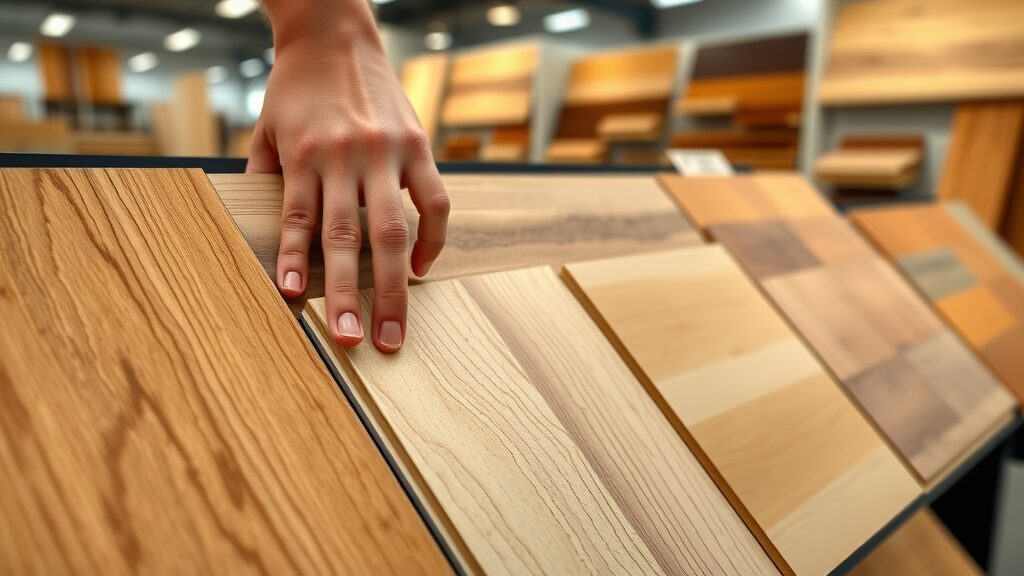
Consider the unique usage of every space when selecting the best flooring options St. Charles MO . For example, plush area rugs can soften a living room’s hardwood, while waterproof vinyl in the kitchen prevents costly damage from leaks or spills. Matching your **floor covering** to your lifestyle ensures your investment delivers beauty and resilience for years—so you can truly enjoy your home without compromise.
Budgeting for Flooring Installation: Finding Value in the MO Area
- Cost per square foot
- Installation costs
- Longevity
- Maintenance needs
Every homeowner wants the best flooring options St. Charles MO can offer—but how do you balance quality and value? Start by weighing both the upfront cost per square foot and the long-term maintenance required. While hardwood floors come with a higher initial price tag, they add lasting value and can be refinished many times for decades of service. On the other hand, laminate and vinyl flooring are generally lower in price, simple to install, and extremely durable—offering outstanding value over their long lifespan.
Don’t forget installation! Professional flooring installation in the MO area ensures your new floor performs at its very best from day one, maximizing longevity and comfort. Factor in any extra costs for custom work, stairs, or removing old flooring, and you’ll have a clear picture of the investment required for your perfect flooring solution . With so many stylish yet affordable options, there’s a quality flooring choice for every budget and every home in St. Charles.
Hardwood Floor Trends: Timeless Elegance With Modern Performance
Types of Wood Flooring: Oak, Maple, Hickory & More
Hardwood floors have long been prized for both their classic beauty and versatility. In St. Charles MO, popular wood flooring species include oak, maple, and hickory—each with its own unique grain, color, and performance strengths. Oak flooring remains a perennial favorite for its rich texture and broad range of stains, while maple is prized for its smooth finish and light, contemporary appearance. For those seeking extra durability, hickory’s striking grain patterns and toughness make it ideally suited for active families and high-traffic areas.
Choosing the right type of hardwood floor depends on both your lifestyle and your design vision. While solid hardwood delivers unbeatable authenticity, engineered wood flooring offers increased moisture resistance—making it a wise option for finished basements or homes with shifting temperatures. Explore the variety of professional flooring solutions in the MO area to find the **perfect flooring** for your St. Charles home, whether you crave traditional elegance or sleek modern style.
Why Hardwood Remains a Top Flooring Option in St. Charles MO
“A quality hardwood floor installation can last generations—making it a top choice for value and style.” – Local Flooring Expert
The enduring popularity of hardwood floors is rooted in their unmatched value and design flexibility. These **quality floors** not only increase resale value but also evoke a sense of timelessness, instantly boosting the overall feel of your space. Modern finishes and improved sealing technology now make today’s hardwood even more practical, allowing families in St. Charles MO to enjoy the classic look of wood with enhanced scratch and water resistance. Whether used throughout your home or featured in a single showstopping room, hardwood is an investment that pays dividends in comfort, style, and long-term satisfaction.
Vinyl Plank and Luxury Vinyl: The Modern Flooring Solution in St. Charles MO
Advantages of Vinyl Flooring: Durability, Waterproof Performance, and Versatile Design
Modern vinyl plank and luxury vinyl floors are game changers for busy homes in the MO area. These advanced flooring solutions are engineered for unbeatable durability, full waterproof protection, and limitless style options. Whether you love the look of wood, stone, or bold contemporary patterns, luxury vinyl effortlessly delivers with realistic textures and a warm underfoot feel. Its tough wear layer resists scratches, dents, and stains, making it perfect for kitchens, bathrooms, busy entryways, and even basements where moisture is a concern.
Vinyl flooring is also ultra-low maintenance, requiring just routine sweeping and occasional mopping to stay looking its best. Quick and easy to install, luxury vinyl plank can breathe new life into a tired space without major renovation obstacles. For St. Charles homeowners seeking comfort, style, and practical performance, vinyl flooring offers a smart, affordable pathway to a rejuvenated home.
Luxury Vinyl Plank vs. Classic Vinyl Flooring Options
- Design options: Wood-look, stone-look, creative colors
- Resilience: High traffic, moisture resistance
- Price points: Budget to premium
- Best use cases in the MO area: Kitchens, bathrooms, basements, utility rooms
While both luxury vinyl plank and classic vinyl are excellent choices, the differences can help you find the perfect flooring solution . Luxury vinyl plank offers more authentic textures, wider planks, and a robust core for enhanced comfort. It’s typically the go-to for upscale renovations, quieter living spaces, or where waterproof performance is essential. Classic vinyl, on the other hand, is ultra-affordable and just as resilient for high-traffic or utilitarian areas. Whichever you choose, you’ll enjoy a winning blend of beauty, longevity, and unbeatable value for your St. Charles flooring project.
Laminate Flooring: Affordable, Durable, and Stylish Choices
Technological Advances in Laminate Flooring Solutions
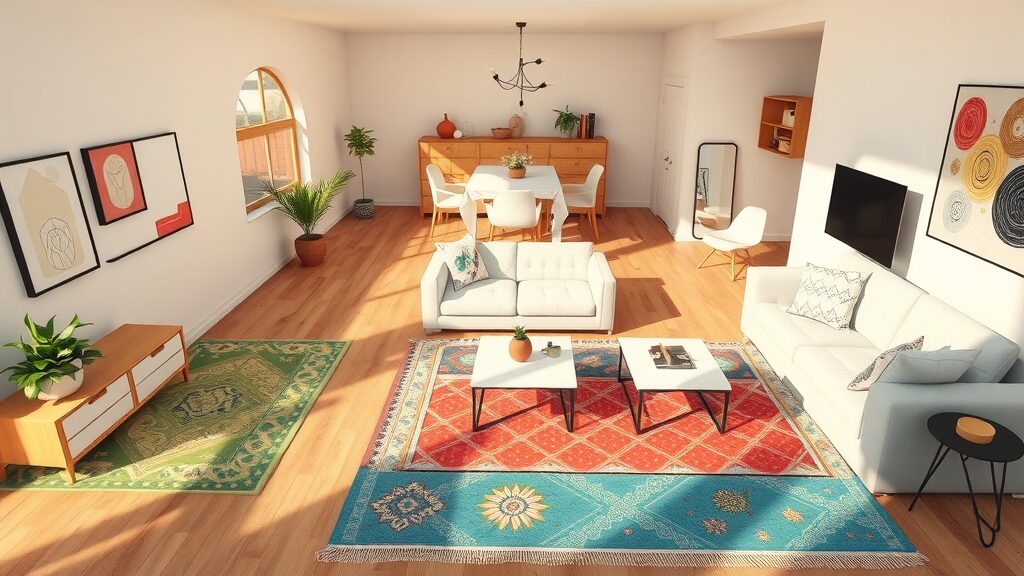
Laminate flooring has undergone a transformation, thanks to new technology that makes it a leading floor covering in St. Charles MO. Today’s laminate features high-definition printing to mimic the look of real wood or stone, while advanced protective layers defend against water, scratches, and fading. Its click-lock installation system means professional or even DIY installation is fast, clean, and requires no harsh chemicals—a big plus for busy MO area families.
Beyond its impressive resilience, today’s laminate flooring solutions offer eco-friendly core materials and slip-resistant tops, making them safe choices for homes with kids and pets. With vivid textures, realistic beveling, and a variety of plank widths, laminate lets you achieve a high-end look without the high-end price. It’s a powerful blend of affordability and style for every St. Charles homeowner seeking a standout, practical option.
Best Areas in Your Home for Laminate Flooring Installation
- Entryways
- Kitchens
- Dining rooms
Laminate flooring excels in high-traffic zones of your home, such as entryways, mudrooms, kitchens, and family dining rooms. Its combination of durability and style makes it a sought-after option for active St. Charles households. The waterproof versions available now can even extend laminate’s use into the laundry room or finished basement, where traditional wood or carpet would struggle. For those wanting a worry-free yet fashionable look, laminate is the **quality floor** choice that truly covers it all.
Area Rugs: The Finishing Touch for Residential Flooring in St. Charles MO
Layer Area Rugs With Hard Floors and Vinyl Plank for Visual Impact
Don’t underestimate the transformative power of an area rug in your design plan. In St. Charles MO, homeowners are using area rugs to elevate their hard floors—whether hardwood, vinyl plank, or laminate—into true statements of style and comfort. A vibrant rug can add color and texture to a modern living room, cozy up a bedroom, or protect high-traffic pathways in the kitchen. Used correctly, layering area rugs ties together a room’s décor, offers a soft surface for pets and kids, and highlights the beauty of your underlying flooring solutions .
When selecting the perfect rug, consider the furniture layout and overall room dimensions. Area rugs should anchor spaces like the living or dining room, with all major pieces placed on or partially on the rug to create a sense of connection and warmth. The right combination of materials and patterns can add visual depth, absorb noise, and allow frequent style updates without redoing your floors. Explore unlimited options in St. Charles to add instant personality to every room!
How to Choose the Right Area Rug for Function and Style
Choosing an area rug is about balancing form and function. For family rooms or busy entryways, go for durable, stain-resistant materials like synthetic blends or wool. Bedrooms and less hectic places may benefit from plush, high-pile rugs that feel luxurious underfoot. Bold patterns are great for making a statement in larger spaces, while neutral tones help smaller rooms appear more open. Don’t forget the practical aspects: non-slip pads preserve both your rug and your underlying floors, keeping everything safely in place. Within the wide range of sizes, styles, and colors available, you’re certain to find the perfect flooring solution for your unique St. Charles MO home.
Flooring Installation: St. Charles MO’s Guide to Seamless, Quality Service
- Professional vs. DIY
- What to expect during installation
- Importance of skilled installers for customer satisfaction

While choosing beautiful products is key, proper flooring installation in St. Charles MO is what truly completes your project. Professional installers bring years of hands-on expertise to every job, ensuring tight seams, precise transitions, and a flawless finish. They handle complex stair placements, subfloor preparation, and tricky cuts that can challenge even the most enthusiastic DIYer. A quality floor isn’t just about the materials picked, but about meticulous installation by skilled craftsmen who care about customer satisfaction .
If you attempt a DIY project, be prepared for extensive prep, learning specialized techniques, and acquiring the right tools—potentially risking product warranties if errors occur. Professional flooring solutions offer transparency around costs, realistic timeframes, and clear expectations, so you know exactly what’s happening and when. Enjoy total peace of mind by letting St. Charles MO’s top flooring installation teams deliver a smooth, hassle-free transformation you’ll enjoy for years to come.
Customer Service and Satisfaction: Why Quality Flooring St. Charles MO Stands Out
How the MO Area’s Top Providers Guarantee A Quality Floor
- Transparent pricing
- Responsive communication
- Flexible scheduling
- After-sales support
In a competitive market, what truly sets St. Charles MO’s best flooring providers apart is unmatched customer service and a relentless focus on customer satisfaction . When investing in new residential flooring, homeowners want more than just a fair price—they’re looking for expert advice, honest recommendations, and follow-through after the job is done. The highest quality companies provide up-front, itemized pricing, answer questions quickly, and remain available long after installation through maintenance tips and warranty support. This level of responsive, attentive service gives you complete confidence from design consultation to the final walk-through.
Top flooring solution providers work flexibly to fit your busy schedule, minimize disruption, and keep your project on track. St. Charles families can rely on these experts to deliver not only the perfect flooring solution but also a streamlined and enjoyable experience. That’s the power of working with a local partner who cares about every detail of your flooring project !
People Also Ask About Best Flooring Options St. Charles MO
What is the best flooring for the money?
- Vinyl plank and laminate flooring often offer the best balance of cost and durability for St. Charles MO homeowners.
What is the most popular type of flooring right now?
- Luxury vinyl plank—thanks to waterproof features, versatility, and modern designs—is trending strongly in the MO area.
What is the rule of 3 flooring?
- The ‘rule of 3’ means using no more than three types of flooring in a single space for a cohesive look.
What is the most cost effective type of flooring?
- Laminate and vinyl flooring are typically the most cost-effective, offering style and resilience for less.
Request Your Free Estimate from HomeTown Floors in Harvester, MO
- Ready to transform your home? Book a no-obligation estimate to discover the best flooring installation and solutions.
If you’re dreaming of stylish, lasting floors for your St. Charles MO home, don’t wait—request a free estimate from trusted local experts. An in-home consultation provides personalized design inspiration, lets you compare samples in your own space, and ensures your flooring project stays within budget. Take the first step now and let friendly pros guide you to the perfect flooring solution.
Essential FAQs on the Best Flooring Options St. Charles MO
- What flooring is best for homes with pets? Which flooring options increase resale value? How long does typical flooring installation take in the MO area?
What flooring is best for homes with pets? – Waterproof vinyl plank and laminate flooring are ideal for pet owners thanks to their scratch resistance and easy cleanup.
Which flooring options increase resale value? – Hardwood floors and luxury vinyl plank are both highly valued in St. Charles real estate markets.
How long does typical flooring installation take in the MO area? – Most projects are completed in 1–3 days depending on square footage and product type.
Expert Tips for Maintaining Quality Floors in St. Charles MO
- Regular cleaning
- Using door mats
- Furniture pads for heavy items
- Immediate spill cleanup
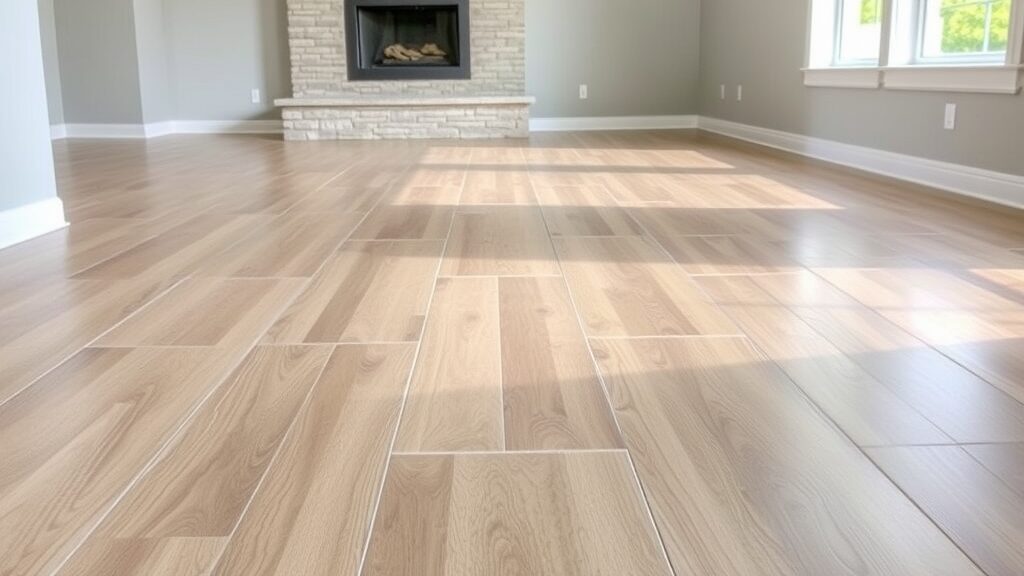
Keep your quality floor looking new with simple routines: Regular dusting and mopping, using door mats to trap dirt, padding under heavy furniture to prevent dents, and wiping up spills promptly prevent long-term damage. With these preventative steps, St. Charles homeowners can enjoy beautiful, resilient floors year after year.
Find Inspiration: Flooring Solutions Gallery for St. Charles MO Homes
- Browse real local projects and see how the best flooring options can transform any space.
Need help visualizing your dream flooring project? Explore photo galleries of St. Charles homes featuring a variety of flooring options —from stunning wood floors in family living rooms to bold luxury vinyl planks in bathrooms. Real project images provide ideas for your next transformation and showcase the impact a quality floor can have on every room.
Partner With St. Charles’ Flooring Experts for Unmatched Results
“Our mission is to deliver not only flooring solutions but also total customer satisfaction for every homeowner.” – Hometown Floors Team
When it comes to flooring installation and service, trust local St. Charles experts who are dedicated to quality, integrity, and customer satisfaction . A knowledgeable team means help at every step—from selection and measurement to installation and ongoing care—ensuring your home shines with the highest quality results for years to come.
Ready to Get Started? Connect With the Best Flooring Options St. Charles MO Pros Today
- Have questions about your flooring project? Speak with a friendly pro—call at (636) 244-4951 or browse our work at www.hometownfloorsonline.com .
Flooring Installation Services in O’Fallon, St. Charles County & Surrounding Areas
HomeTown Floors is proud to serve homeowners and businesses with professional flooring installation, hardwood, vinyl plank, carpet, and tile services throughout O’Fallon, St. Charles County, and the Greater St. Louis area. Our service areas include Ballwin, Chesterfield, Des Peres, Eureka, Fenton, Frontenac, Innsbrook, Jefferson County, Kirkwood, Lincoln County, Manchester, St. Charles, St. Peters, Sunset Hills, Town & Country, Union, Washington, Weldon Spring, Wentzville, and Wildwood.
We specialize in flooring design consultations, product selection, and expert installation to give your home or business a beautiful, long-lasting finish. Trust HomeTown Floors for 5-star flooring service and local expertise that sets us apart in Missouri.
by Tony Foulon | Flooring 101: Product Education
Did you know? Nearly 85% of homeowners report that updating their flooring instantly boosted the value and appeal of their home. Upgrading your floors isn’t just about changing a surface—it’s about creating a beautiful, comfortable, and durable foundation for every room. In this guide, you’ll unlock everything you need to know about local flooring styles, including practical insights, real-life examples, and must-see transformations that bring inspiration to life. Ready to make a statement with your space? Let’s get started.
- How local flooring styles can redefine your home’s look and value
- Comparison of the latest options—hardwood, vinyl floor, tile floor, and more
- Tips for choosing, installing, and caring for your floors
- Insider reviews and real-life before & afters
Impressive Local Flooring Styles: Transforming Homes with Design and Durability
When it comes to creating a home that stands out, local flooring styles play a crucial role. These flooring options aren’t just chosen for their looks—they’re selected because they’re made to last, withstand your region’s unique climate, and offer unmatched design possibilities. Whether you’re drawn to the classic warmth of hardwood flooring , the moisture resistance of a modern vinyl plank , or the timeless luxury of a natural stone tile, the right flooring serves as the very foundation of daily comfort and beauty.
Homeowners are getting more innovative with their spaces, choosing materials and finishes that reflect their style while delivering real-life advantages. Local flooring styles let you benefit from expert advice and tailored solutions that fit both your environment and your goals. For example, solid hardwood might give a living room lasting warmth, while a resilient floor keeps a busy kitchen or bath looking great despite high moisture and heavy traffic. Real results prove that these choices lead to better durability, easier maintenance, and enhanced home value.
“Nearly 85% of homeowners report that updating their flooring instantly boosted the value and appeal of their home.”
Why Choosing Local Flooring Styles Is a Game-Changer
- Immediate access to expert installation
- Support for local businesses and economies
- Tailored flooring options for your regional climate
Opting for local flooring styles means more than just picking a durable surface. It’s about working with experienced professionals who know which flooring options thrive in your area—whether it’s humid summers or snowy winters. Local showrooms and consultants provide hands-on guidance, matching your needs with the perfect vinyl floor , hardwood floor, or tile flooring to complement your space. Plus, you help sustain community businesses and benefit from prompt aftercare and support. With so many advancements, it’s easier than ever to find resilient floor materials that seamlessly blend design with long-term performance.
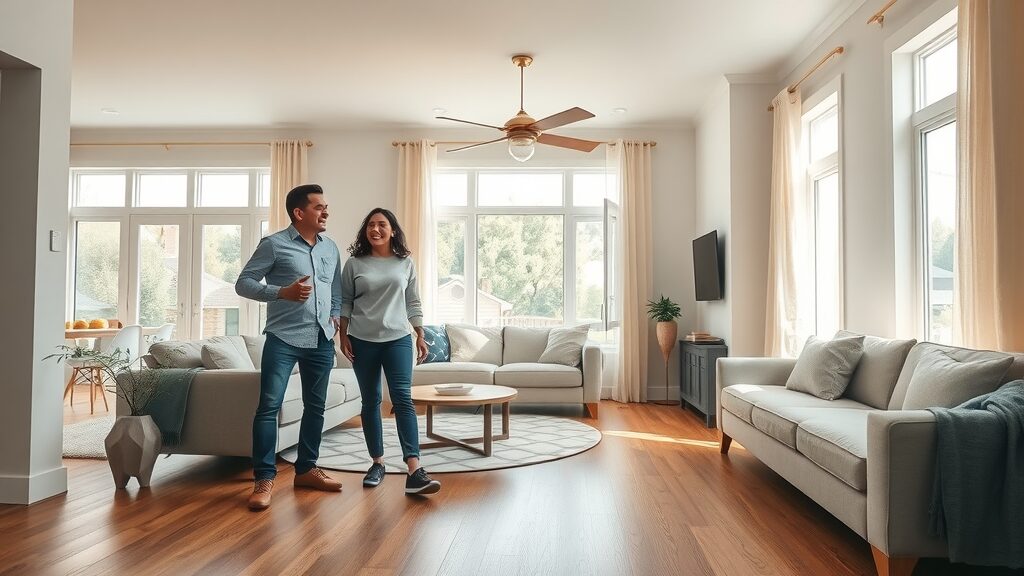
Img_Alt_Text: Open concept living room with homeowners admiring newly installed local hardwood floor – local flooring styles
A Guide to Local Flooring Styles: Discover Top Choices
The wide range of local flooring styles ensures there’s something for every taste and every space—no matter your budget or lifestyle. Today, materials like vinyl flooring, laminate floor, hardwood floor , and stone flooring have evolved to deliver top-notch beauty and resilience. It’s not just about aesthetics—these flooring options offer exceptional performance under kids, pets, and heavy foot traffic areas. Let’s break down the choices that homeowners rave about, spotlighting the latest vinyl floor and resilient flooring innovations as well as timeless materials like wood flooring and ceramic tile.
Understanding each type of flooring—how it feels, looks, and holds up—helps you pick what’s best for your home. Modern options bring you the beautiful appearance of wood or stone with the added benefits of water resistance and easy maintenance. Plus, local experts can explain new hybrid resilient flooring and luxury vinyl plank products that suit your region’s style and weather. Reviewing all the choices at your local showroom means you can see, touch, and compare every sample before making your investment.
Understanding the Wide Range of Vinyl Flooring and Resilient Floor Options
Vinyl flooring is a leading local flooring style thanks to its balance of style, affordability, and durability. Today’s vinyl floor ranges from flexible sheet products to waterproof vinyl plank flooring that mimics the look of hardwood or stone. Resilient flooring brands now offer hybrid resilient options—these are engineered for extra durability and are ideal for traffic areas like hallways, kitchens, or mudrooms.
This wide range runs from classic vinyl tile used in professional settings to sophisticated luxury vinyl that looks nearly indistinguishable from natural wood flooring or ceramic tile. The key advantages? Modern vinyl floors are easy to clean, resist scratches and dents, and are virtually waterproof—making them a fantastic flooring option for busy, active households. When paired with professional local installation, you get peace of mind and a guarantee that your space will look stunning for years.
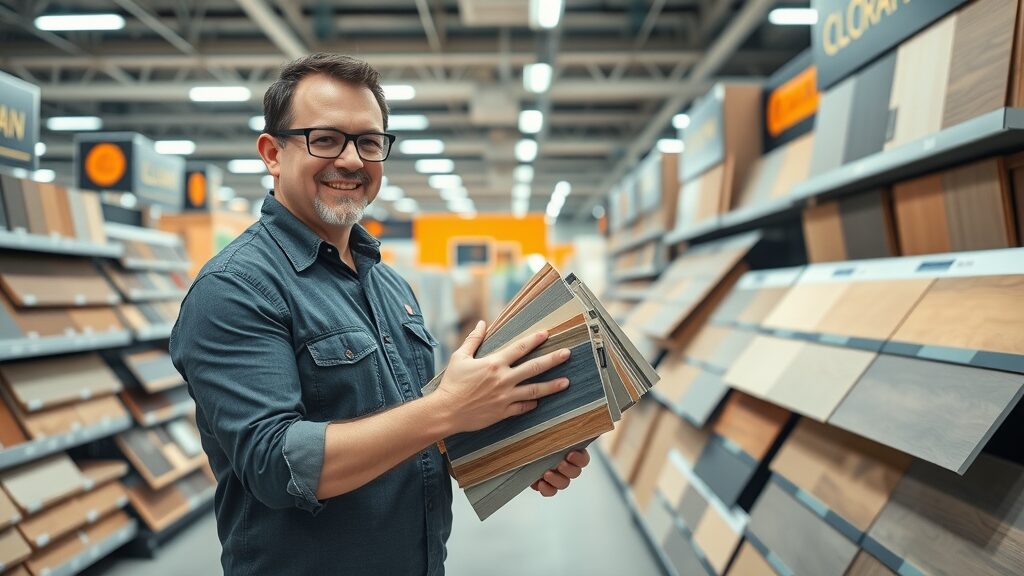
Img_Alt_Text: Local flooring consultant showing vinyl flooring samples in a modern improvement store – vinyl floor
Classic Appeal: Hardwood Floor and Engineered Hardwood
Hardwood flooring is the gold standard for those seeking timeless beauty, warmth, and a high return on investment. Prized for its durability and authentic look, hardwood floors can be sanded and refinished to maintain their elegance through decades of changing styles. Local flooring showrooms often carry both solid hardwood varieties—ideal for dry climates—and engineered hardwood products that withstand fluctuations in humidity, making them a great flooring option for varied regional environments.
Engineered hardwood blends a core of dimensionally stable plywood with a top layer of real wood, offering the charm of traditional wood flooring but with added resilience against warping or moisture. This makes engineered hardwood floor solutions perfect for homeowners wanting wood looks in basements, kitchens, or condos. Whichever you choose, local experts will help you select the species, finish, and plank width that truly matches your home and lifestyle. Classic, natural, and always in demand—these are local flooring styles designed to last generations.
Modern Innovation: Laminate Flooring and Vinyl Plank
If you’re seeking versatility with a modern edge, laminate flooring and vinyl plank flooring deliver in spades. Laminate floor products duplicate the natural look of wood or stone through a photo-realistic decorative layer, bonded to durable cores that withstand daily use. This makes laminate an affordable and attractive flooring option for budget-savvy homeowners who don’t want to sacrifice style for cost.
Meanwhile, luxury vinyl plank flooring and hybrid resilient floor selections are revolutionizing how homes look and perform. Mimicking the rich patterns of solid hardwood or stone flooring, these advanced vinyl floor products are waterproof, softer underfoot, and resilient enough to handle heavy activity. Busy households with kids or pets especially love the scratch resistance and quick maintenance these local flooring styles provide, all while delivering a modern, seamless finish to any room.
Sleek and Durable: Stone Flooring and Tile Floor
For those who want a truly durable and sophisticated solution, stone flooring and tile flooring stand out as popular choices for both traditional and modern homes. Natural stone—like marble, slate, or travertine—offers a luxurious texture and timeless elegance while also boosting property value. Tile floors , including ceramic tile or porcelain, are known for their superior resistance to water and stains, making them perfect for kitchens, baths, and even outdoor living areas.
Tile flooring comes in a vast array of colors, patterns, and textures, letting you design intricate mosaics or simple, clean lines to complement your décor. These options handle traffic areas beautifully and, with minimal upkeep, remain pristine for decades. When you work with local experts, they’ll help you navigate the full palette and practical benefits of every stone and tile variety, ensuring a custom look that enhances every corner.
Comparison of Key Local Flooring Styles
| Material |
Durability |
Cost |
Maintenance |
Local Suitability |
| Solid Hardwood |
High; can last generations |
$$$ |
Regular sweeping, refinishing as needed |
Best for dry/temperate regions |
| Engineered Hardwood |
High; stable in humidity |
$$ |
Easy; gentle cleaners, refinishing possible |
Suitable for various climates |
| Vinyl Plank Flooring |
High; waterproof & scratch-resistant |
$-$$ |
Simple cleaning, very low maintenance |
Great for all climates & busy homes |
| Laminate Floor |
Medium-High; scratch/fade resistant |
$ |
Sweep & damp mop |
Perfect for active households |
| Natural Stone/Tile Flooring |
Very High; moisture resistant |
$$-$$$ |
Sealing required; regular cleaning |
Ideal for wet/humid regions |
Local Flooring Styles: Which Flooring Option Suits Your Lifestyle?
Every home is unique, and the type of flooring you choose should reflect your day-to-day needs. Do you have playful children, energetic pets, or entertain often? Some local flooring styles bring exceptional resilience and work well through life’s messiest moments, while others imbue quiet spaces with elegance and comfort. Understanding how vinyl floor, laminate , and other flooring options handle real-world challenges ensures you get the most out of your investment. Local experts can help you assess priorities—like water resistance, scratch protection, long-term value—before you commit to a new surface.
Consider traffic areas such as kitchens, mudrooms, and hallways where a hybrid resilient floor or luxury vinyl plank flooring outperforms traditional carpet or wood. In bedrooms and living rooms, you might opt for the elevated feel of solid hardwood or engineered hardwood. No matter your lifestyle, there’s a perfect blend of beauty and function among today’s local flooring styles.
Vinyl Floor vs. Laminate Floor: What’s Best for Busy Households?
Both a vinyl floor and laminate floor provide robust solutions for high-traffic homes with kids or pets. The key differences? Luxury vinyl flooring takes the lead in water resistance and comfort, making it ideal for kitchens, bathrooms, and entryways. Laminate, while also durable and available in a wide range of wood or stone looks, is best in dry spaces where you want a beautiful appearance without exposure to moisture.
For scratch-prone zones and active play, vinyl plank outshines laminate thanks to its resilient surface. Both options offer simple DIY installation, affordability, and plenty of design choices, but families seeking the ultimate practical solution will love the versatility and low-maintenance appeal of vinyl floor products.
Elevate with Luxury Vinyl and Luxury Vinyl Plank Flooring
The luxury vinyl and luxury vinyl plank flooring categories have surged in popularity, offering realistic textures, patterns, and even beveled edges to mimic true wood or stone. These floors are designed for ultimate ease, resisting scratches, dents, and fading much better than classic options. In homes where style matters as much as practicality, these local flooring styles allow you to upgrade any room, seamlessly blending with modern or classic décor.
You benefit from waterproof protection, sound-dampening features, and a soft underfoot feel, making luxury vinyl a top contender for open-plan living areas, home gyms, and even basements. Their click-lock systems streamline installation and provide a tight seal against spills and wear—perfect for today’s active families who don’t want flooring worry slowing them down.
Natural Stone and Ceramic Tile: Ideal for Timeless Spaces
If you’re aiming for timelessness, natural stone and ceramic tile remain unbeatable. Stone flooring delivers breathtaking uniqueness since no two tiles are the same, making each installation a custom work of art. Ceramic tile flooring, from glossy subway tiles to terra cotta squares, is famous for its water resistance, easy cleaning, and flexibility in design. These local flooring styles stay cool underfoot and resist stains, so they perform exceptionally well in hot climates or wet spaces like baths and entryways.
Whether you’re updating a rustic kitchen or installing a spa shower, stone and tile floors merge resilience with decades-long beauty. When cared for properly, they are investments that add enduring value to your home.
- Water resistance
- Scratch protection
- Fade resistance
- Long-term value
The Complete Local Flooring Installation Experience
A flawless flooring installation ensures that your new floors not only look beautiful but also perform for years to come. Experienced local flooring professionals understand the nuances of different materials—from acclimating hardwood to the moisture-proofing steps required for a resilient floor or tile floor. Choosing local means customized service, with quick response times and personalized aftercare. From the first consultation to the moment you walk across your new floor, you’ll notice the difference expertise makes.
On-site visits allow experts to measure, assess subfloors, and suggest the perfect vinyl floor, laminate, or tile flooring for your environment. Precise installation eliminates hazards like uneven seams or premature wear, ensuring satisfaction and a warranty you can trust. The investment pays off every time you walk through your home and see flawless, local craftsmanship at your feet.
Professional Flooring Installation: Why Expertise Matters
Installing local flooring styles is a specialized process. Professionals bring not only technical skill but also an understanding of the best products for your specific climate and daily demands. Trained installers use advanced tools and techniques to minimize waste and ensure a level, secure finish—especially important for solid hardwood, hybrid resilient flooring, and tile installations where accuracy is everything.
By working with trusted local providers, you avoid common DIY pitfalls and get a finished result worthy of your investment. Many companies also offer comprehensive warranties and long-term service agreements, so you have peace of mind from start to finish.
From Consultation to Finished Floor: What to Expect
Step into your local showroom to explore flooring options firsthand. An experienced consultant helps you weigh vinyl floor, tile flooring, wood flooring, and more for style, practicality, and budget. Expect thorough site inspections, clear estimates, and guidance through every decision—from material selection to before-and-after care.
The installation team prepares the surface, removes old flooring, and addresses subfloor imperfections before laying each plank or tile. They’ll communicate clearly about timelines and aftercare recommendations, ensuring minimal disruption. The final result: a stunning transformation and new pride in your home’s local flooring style.
“A well-installed hardwood floor can last for generations, making it a sustainable local flooring style investment.”
Comparing Local Flooring Styles: Make an Informed Choice
With so many local flooring styles available, a cost and maintenance comparison will help you balance your needs and long-term investment. When evaluating flooring for your home, be sure to check product warranties, installation agreements, and how each material handles daily living—especially in busy or moisture-prone zones. Whether you’re drawn toward solid hardwood, hybrid resilient flooring, vinyl tile, plank flooring, or classic tile floor, a little homework ensures you get value, longevity, and design harmony.
Consult with your local experts to compare samples, see product demonstrations, and discuss maintenance commitments—so you can feel confident your chosen flooring option will exceed every expectation.
Flooring Options Cost Breakdown and Maintenance Requirements
| Flooring Option |
Average Cost/Sq.Ft. |
Maintenance Level |
Special Care Notes |
| Solid Hardwood |
$8 – $14 |
Medium |
Refinish for deep scratches; avoid moisture |
| Hybrid Resilient Floor |
$4 – $9 |
Low |
Sweep/vacuum regularly, wipe spills |
| Plank Flooring (Vinyl Plank) |
$3 – $7 |
Low |
Waterproof; ideal for active spaces |
| Vinyl Tile |
$1.50 – $4 |
Very Low |
No sealing required |
| Tile Flooring (Ceramic/Porcelain) |
$5 – $12 |
Medium |
Occasional grout sealing |
- Solid hardwood
- Hybrid resilient floor
- Plank flooring
- Vinyl tile
- Tile flooring
Customer Reviews: Local Flooring Styles That Deliver
No search for the best floor is complete without learning from real homeowners who’ve walked this path. Across town and online, people rave about how new vinyl flooring, wood flooring , and resilient floor options have revitalized their homes. Homeowners appreciate the low noise, high comfort, and easy cleaning—plus the compliments from guests noticing the update. Reviews consistently show that investing in quality installation and locally tailored floors pays off in satisfaction and value.
Dive into stories about life with beautiful new luxury vinyl plank flooring , scratch-resistant tile floor, and sustainable hardwood floors. You’ll find that, whether you choose a glamorous stone or a practical hybrid resilient flooring, the right option truly transforms your most-used spaces.
What Homeowners Are Saying About Vinyl Flooring, Wood Flooring, and More
From busy families to pet lovers, customers are thrilled with the performance and style of modern vinyl floor and wood flooring . “Switching to a resilient flooring option changed how we use our living spaces,” says one local homeowner. The easy cleanups and lasting beauty make all the difference. Others highlight how a professionally-installed hardwood floor or luxury vinyl plank boosts resale value while standing up to the chaos of daily life with kids, guests, and pets.
People agree that finding local flooring experts makes the process seamless, with smart recommendations and flawless results. With so many satisfied stories, it’s clear why these local flooring styles continue to grow in popularity every year.
“Switching to a resilient flooring option changed how we use our living spaces.”
Expert Tips on Maintaining Your Local Flooring Styles
Once you’ve chosen your local flooring styles , keeping them looking their best with proper care is easy. Maintenance routines vary—from gentle sweeping on a hardwood floor to occasional grout cleaning for tile flooring. Today’s vinyl plank, resilient floor, and luxury vinyl flooring are designed with durability in mind, but routine care helps them stand the test of time (and kids, pets, or spills!).
Remember to check your manufacturer’s care guidelines and ask your local installer for spot cleaning, stain removal, and touch-up tips. A little attention goes a long way in keeping every type of flooring in peak condition, year after year.
Routine Care for Hardwood, Vinyl Plank, and Tile Floor
Maintaining local flooring styles like hardwood, vinyl plank, and tile floor starts with regular cleaning routines. For wood flooring, use a soft broom or a vacuum designed for hard surfaces to remove dust and debris. Avoid excessive water and opt for a damp microfiber mop or hardwood cleaner. Vinyl floor and luxury vinyl plank are even easier: just sweep frequently and mop with a gentle solution as needed. Tile flooring requires sweeping and a mild cleanser for shiny results, with special attention to grout lines in high-traffic areas. Consistency means fewer problems and a fresh look every day.
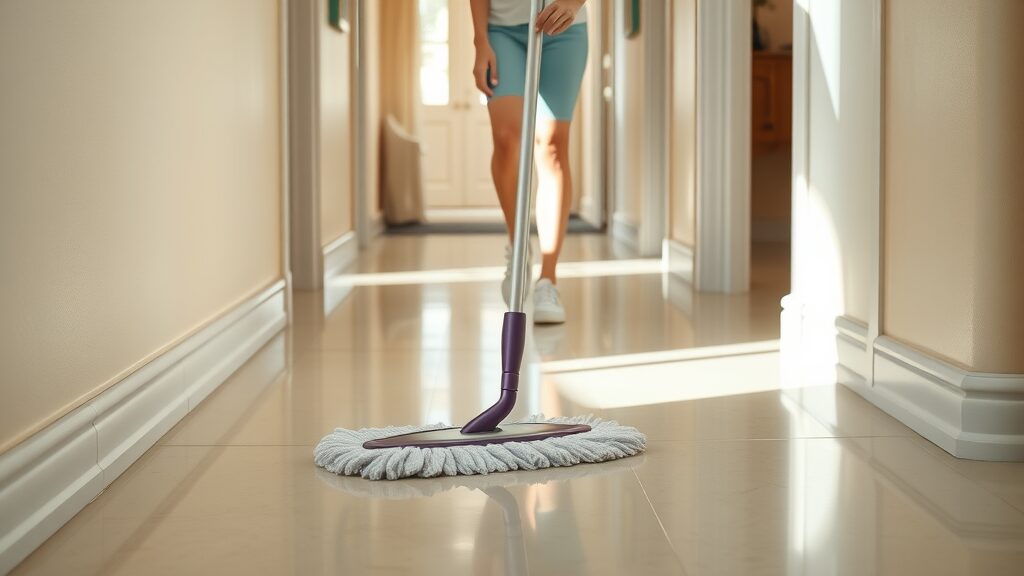
Img_Alt_Text: Homeowner using microfiber mop on glossy tile flooring – expert flooring care routine
Extending the Life of Your Flooring Options
Protect your local flooring styles with smart preventive measures that keep them looking great for decades. Place floor mats at entrances to reduce tracked dirt, use area rugs in busy zones, and attach pads to furniture feet to prevent scratches on wood or resilient floors. For spills on hardwood, dry immediately with a soft cloth to avoid staining or swelling. Deep cleaning should be scheduled every few months for all types of flooring—ensuring durability and sheen are preserved. With local experts and a touch of proactive care, your floor’s beauty will last through every season and stage of life.
- Spot-clean spills promptly
- Periodic deep cleaning routines
- Use furniture pads to prevent scratching
Local Flooring Styles FAQ
Which local flooring styles add the most value to my home?
Hardwood floor and engineered hardwood deliver the highest resale value, thanks to their timeless appeal and compatibility with every style. Luxury vinyl plank flooring and stone flooring are also top choices, offering convenience and durability with a high-end look that appeals to today’s buyers.
Are hybrid resilient flooring and luxury vinyl truly waterproof?
Yes. Modern hybrid resilient flooring and luxury vinyl plank floors are engineered to be fully waterproof, making them ideal for spaces prone to splashes or humidity. Their layered construction means spills won’t penetrate, giving you confidence in kitchens, basements, and baths.
Common Mistakes to Avoid When Choosing Local Flooring Styles
Avoid underestimating the importance of subfloor preparation since it impacts the final look and feel. Always consider climate (humidity, temperature swings) and daily wear before selecting your local flooring styles. Consult experts to match the right flooring option to each space, ensuring years of satisfaction and performance.
People Also Ask
What is the most popular type of flooring right now?
Currently, luxury vinyl plank and engineered hardwood are among the most popular local flooring styles thanks to their blend of beauty, affordability, and durability. They offer realistic wood and stone looks with enhanced resilience and easier maintenance.
What is the rule of 3 flooring?
The rule of 3 flooring suggests limiting your home to three different flooring options to maintain design cohesion and optimize the visual flow between rooms, especially when choosing local flooring styles that work together.
What is the best flooring for the money?
Vinyl flooring and laminate floor options generally offer the best value for budget-conscious homeowners, combining affordability, easy installation, and longevity in popular local flooring styles.
What classic flooring never goes out of style?
Hardwood flooring is the quintessential local flooring style that endures in popularity, offering timeless appeal, natural beauty, and strong resale value.
Summary: Unlock the Perfect Fit with Local Flooring Styles
- Local flooring styles combine design, function, and value
- Wide range of vinyl, hardwood, laminate, and natural stone choices
- Expert installation and local insight enhance results
- Easy maintenance boosts long-term satisfaction
“Let your floors reflect your sense of home—explore local flooring styles designed for lasting impact.”
Ready to Transform Your Space?
Get quality flooring and 5-star service—call HomeTown Floors today at (636) 244-4951 or book online at www.hometownfloorsonline.com!
Flooring Installation Services in O’Fallon, St. Charles County & Surrounding Areas
HomeTown Floors is proud to serve homeowners and businesses with professional flooring installation, hardwood, vinyl plank, carpet, and tile services throughout O’Fallon, St. Charles County, and the Greater St. Louis area. Our service areas include Ballwin, Chesterfield, Des Peres, Eureka, Fenton, Frontenac, Innsbrook, Jefferson County, Kirkwood, Lincoln County, Manchester, St. Charles, St. Peters, Sunset Hills, Town & Country, Union, Washington, Weldon Spring, Wentzville, and Wildwood.
We specialize in flooring design consultations, product selection, and expert installation to give your home or business a beautiful, long-lasting finish. Trust HomeTown Floors for 5-star flooring service and local expertise that sets us apart in Missouri.
by Tony Foulon | Flooring 101: Product Education
Modern flooring materials are revolutionizing the way we design, experience, and add value to our homes. Did you know that more than 60% of homeowners prioritize upgrading their floors over any other interior project? That means the right flooring option is about more than just aesthetics—it’s about comfort, resilience, property worth, and even your home’s personality. Whether you’re renovating a single room floor or dreaming up a new look for your whole house, this guide dives deep into the types of flooring that define contemporary style and empower you to select the perfect fit for every space.
How Modern Flooring Materials Can Redefine Your Home—Surprising Trends Revealed
When it comes to updating your living space, modern flooring materials are a game changer. Flooring options not only set the tone for your home’s aesthetic but also influence its functionality and market value. New technologies are constantly expanding the selection, delivering products that look stunning, last longer, and help your real estate appreciate. Examples like porcelain tile and luxury vinyl flooring combine innovation with timeless beauty, while eco-friendly options like cork flooring and engineered hardwood reflect shifting homeowner priorities toward sustainability.
- Did you know that over 60% of homeowners consider changing their flooring before any other renovation? Modern flooring materials are at the forefront of interior design, setting the tone for style, function, and property value. Discover the modern flooring materials that are redefining living spaces and making waves in real estate today.
In today’s dynamic design landscape, homeowners are turning to innovative flooring options that combine performance with personality. From ultra-durable tile flooring engineered to resist spills in the kitchen, to plush carpet tiles warming up bedroom sanctuaries, the right choice transforms your space and daily routine. Let’s unveil the surprising trends and modern flooring materials taking center stage in home design this year.
What You’ll Discover in the World of Modern Flooring Materials
- The diverse types of flooring options available—and how to match them to any room floor.
- Key benefits and drawbacks for each flooring option, from wood flooring to stone flooring.
- Advice from real estate professionals on popular modern flooring materials.
- A handy table comparing popular modern flooring materials for durability, cost, and style.
Quick Comparison Table: Types of Modern Flooring Materials
| Material |
Durability |
Water Resistance |
Eco-Friendliness |
Typical Cost |
Best For |
| Porcelain Tile |
High |
Excellent |
Moderate |
$$ |
Kitchen, Bath |
| Luxury Vinyl |
High |
Excellent |
Low-Moderate |
$ |
High-Traffic Areas |
| Hardwood Flooring |
Moderate |
Poor |
Moderate |
$$$ |
Living Room, Bedrooms |
| Stone Flooring |
High |
Excellent |
High |
$$$$ |
Foyers, Outdoor Spaces |
| Cork Flooring |
Moderate |
Good |
High |
$$ |
Bedrooms, Offices |
| Laminate Flooring |
Moderate |
Good |
Low |
$ |
Living Room |
| Rubber Flooring |
High |
Excellent |
High |
$$ |
Gyms, Playrooms |
Top 33 Modern Flooring Materials for Every Space
1. Porcelain Tile: The Durable & Sleek Modern Flooring Material
- Porcelain tile is renowned among modern flooring materials for its durability, water resistance, and endless styling options. Ideal for kitchens, bathrooms, and high-traffic zones.
Porcelain tile is a standout for modern homes, bringing together cutting-edge toughness with striking good looks. Unlike regular ceramic tile , porcelain is manufactured at higher temperatures, producing a tile floor that’s incredibly dense and less porous, making it perfect for areas susceptible to water and daily traffic. Homeowners love the diverse finish options—from high-gloss marble reproductions to matte, slip-resistant surfaces for outdoor use.
Maintenance is a breeze—just regular sweeping and the occasional mop. Furthermore, the design flexibility means you can seamlessly integrate porcelain tile with virtually any décor style, making it a go-to choice for kitchens, bathrooms, and busy entryways. It consistently ranks high among flooring options recommended by real estate agents for its return on investment, especially in updated home listings.
2. Luxury Vinyl Flooring: Versatile and Cost-Effective Flooring Option
- Luxury vinyl tile (LVT) and plank (LVP) are modern flooring materials that mimic wood floor and stone floor appearances with superior resistance to water and wear. Perfect for families and pet owners.
Luxury vinyl flooring is a favorite flooring option for homeowners needing beauty, affordability, and practicality in one. Available in both tile and plank forms, it replicates high-end finishes such as hardwood or stone flooring—often at a fraction of the cost. Luxury vinyl’s waterproof core and scratch-resistant surface make it ideal for households with children and pets.
Installation is often DIY-friendly with locking systems, and cleaning is as simple as a damp mop for regular maintenance. Its impressive resilience to daily wear makes it an excellent choice for high-traffic zones, including kitchens, mudrooms, and bathrooms. Recent product innovations have focused on enhancing eco-friendliness, improving realistic textures with high-definition printing, and even offering antimicrobial options for healthier homes.
3. Hardwood Floor: The Timeless Classic Among Modern Flooring Materials
- Hardwood flooring delivers enduring warmth and elegance. New engineering methods have made modern hardwood floor options even more durable for today’s busy households.
No list of modern flooring materials is complete without hardwood flooring . Its natural beauty and long-lasting appeal have stood the test of time. Today, advanced finishes and new hardwood species offer even greater durability, resisting scratches and stains that were once common concerns.
Modern hardwood floor products include sustainably sourced options, and prefinished boards that cut down on installation time and mess. While hardwood is generally not recommended for areas with persistent moisture, its elegance and resale boost make it a top choice for living room and bedroom upgrades. Pair with area rugs to soften a room and add warmth underfoot, especially if you crave that inviting, layered look.
4. Laminate Flooring: Affordable Style for Every Room Floor
- Laminate flooring is a popular modern flooring material, offering affordable wood looks with impressive scratch and stain resistance. Easy to install and clean.
Laminate flooring delivers the look of natural wood floors or stone floor with substantial savings and fuss-free upkeep. Using a photographic layer beneath a tough wear surface, premium laminate now rivals the look and feel of traditional hardwood.
Not only does it resist dents and scuffs—it’s quick to install thanks to “floating floor” technology that clicks together with minimal tools. Homeowners turn to laminate for their busy family areas, hallways, and even kitchens thanks to water-resistant advances. Need to freshen up a room floor on a budget? Laminate balances price, appearance, and low maintenance with style.
5. Natural Stone Flooring: Unmatched Beauty and Durability
- From marble to travertine, natural stone flooring is a luxury option in modern flooring materials, ideal for high-end spaces and areas needing visual impact.
Natural stone flooring introduces sophistication and unique character wherever it’s installed. Popular types include marble, slate, travertine, and granite , each offering distinct veining, colors, and surface texture. As one of the most durable flooring options, stone can easily withstand decades of use when properly sealed.
Natural stone excels in foyers, bathrooms, and outdoor spaces where wow-factor and longevity matter. Its cool surface feels refreshing in warm climates, but pairing with radiant heating is a cozy modern upgrade. These eco-friendly tiles often feature recycled content or come from responsible quarries, making them a top choice for those valuing luxury and sustainability.
6. Vinyl Tile: Innovative Modern Flooring Materials for Easy Maintenance
- Vinyl tile is a standout in modern flooring materials, combining ease of replacement with contemporary designs—suited for bathrooms and kitchens.
Vinyl tile continues to impress as a versatile pick for active homes. These tiles are designed for quick replacement, so damage to one area doesn’t mean a full floor redo. The latest vinyl tile floors offer digital designs replicating wood, stone, and even geometric patterns for a custom look.
This type of floor is also comfortable underfoot and noticeably warmer than tile floors, making it a great flooring option for kitchens, bathrooms, or utility rooms. It endures daily splashes, spills, and heavy foot traffic, while remaining affordable and easy to clean—a top choice in affordable modern flooring materials.
7. Cork Flooring: Sustainable Comfort as a Modern Flooring Material
- Cork floor and cork flooring are rising in popularity for their eco-friendly appeal and soft underfoot comfort. Great for bedrooms and home offices.
Cork flooring has made a stylish comeback, especially for those seeking sustainable alternatives among modern flooring materials. Harvested from the bark of cork oak trees, this renewable material provides a plush, springy feel that’s easy on joints and naturally absorbs sound.
Cork floor options are available in tiles and planks, finished in a range of colors and patterns to fit personalized interiors. It’s hypoallergenic and resistant to mold, making cork flooring perfect for bedrooms, nurseries, and creative studios. For environmental and comfort-conscious homeowners, cork stands out as both a smart and stylish flooring option.
8. Rubber Floor: Safe and Resilient Modern Flooring
- Rubber flooring is used in gyms and playrooms for its shock absorption and slip resistance—proving that modern flooring materials can be both practical and stylish.
Rubber floor is a hidden gem among modern flooring materials for spaces where safety is paramount. It cushions falls, absorbs sound, and offers grippy traction ideal for children’s rooms, gyms, or utility spaces. Modern versions now come in a rainbow of colors and textures, lending a designer touch to function-forward floor covering.
Because it’s resistant to water and stains, this type of floor is also gaining traction in laundry rooms and mudrooms. Anti-microbial properties and shock absorption make it a perfect fit for grooming pets or, in commercial spaces, for high-impact activity areas. Maintenance is minimal—just regular sweeping and the occasional mop keep rubber floors looking vibrant and performing well.
9. Stone Floor: Modern Flooring Materials That Make a Statement
- Stone floor options such as slate offer natural charm and incredible longevity, positioning stone flooring as a perennial favorite in modern flooring materials.
Stone floors, like slate, limestone, and sandstone , remain some of the most coveted and enduring modern flooring materials available. Their organic patterns and natural colors bring nature indoors, contributing to a grounding, calming atmosphere in living rooms, foyers, or even covered patios.
Stone flooring’s robust durability ensures it withstands decades of heavy use and is easy to maintain when sealed correctly. The surface stays naturally cool, beneficial in warmer climates, and is compatible with radiant heating for added comfort. Employing stone flooring can dramatically boost real estate value, thanks to its aesthetic pull and long-term appeal.
10. Engineered Wood Flooring: The Advance in Wood Floor Technology
- Engineered wood flooring fuses hardwood’s classic look with increased resilience, making it one of the top modern flooring materials for real estate value.
If you love the appeal of wood floors but need better durability, engineered wood flooring offers the best of both worlds. It features a layer of genuine hardwood veneer over a high-strength core, providing the beauty of hardwood with greater resistance to temperature and moisture changes.
This makes it suitable for spaces where traditional hardwood might struggle, such as basements or over radiant heat. Engineered wood’s click-lock systems simplify installation, and its consistent quality appeals to buyers in the real estate market. Available in numerous finishes, this flooring option continues to grow in popularity as a smart, stylish investment for nearly any room floor.
11–33. More Innovative Modern Flooring Materials to Explore
- 11. Polished Concrete Floor
- 12. Bamboo Flooring
- 13. Terrazzo Tile Floor
- 14. Carpet Tiles
- 15. Reclaimed Wood Flooring
- 16. Epoxy Resin Floors
- 17. Linoleum Flooring
- 18. Brick Paver Floor
- 19. Glass Tile Flooring
- 20. Pebble Stone Floor
- 21. Outdoor Deck Tiles
- 22. Leather Tile Flooring
- 23. Parquet Wood Floor
- 24. Water-Resistant Laminate
- 25. Metallic Epoxy Flooring
- 26. Sports Flooring
- 27. Magnetic Floor Tiles
- 28. Fumed Wood Floor
- 29. UV-Cured Wood Flooring
- 30. Microcement Floors
- 31. Stained Concrete
- 32. Synthetic Grass Interior Floor
- 33. Mosaic Tile Flooring
The field of modern flooring materials is constantly evolving, offering remarkable innovations beyond the classic choices. Bamboo flooring stands out for its rapid renewability and chic appeal. Terrazzo tile floor lets homeowners create artful mosaics that serve as conversation starters in entryways or powder rooms. For those looking to combine comfort and modularity, carpet tiles allow for customizable patterns from wall-to-wall or accent areas—and are easily replaced if stained.
Other options include epoxy resin floors for an ultra-glossy, seamless look in garages or studios, brick paver floors for rustic charm, and glass tile flooring for contemporary sparkle and reflected light. Whether you desire the industrial chic of polished concrete or the eco-consciousness of linoleum and recycled products, there’s a modern flooring material tailored to your needs and boldest design ideas.
Choosing Between Types of Flooring: Which Modern Flooring Materials Suit Your Home?
- • Tour the pros and cons of each type of flooring, such as hardwood floor, tile floor, and vinyl flooring.
- • Key considerations: lifestyle, moisture level, budget, and expected traffic.
- • Insights from real estate agents on what modern flooring materials boost home value the most.
When deciding among types of flooring , the right answer depends on your space’s needs and personal lifestyle. Hardwood floors exude warmth and elegance but might struggle in wet or high-traffic areas. By contrast, tile flooring and luxury vinyl options thrive where spills and messes are common, while stone flooring stands firm against heavy foot traffic and adds premium appeal.
Addressing your daily routine and anticipated wear is crucial. Pet owners or families with high activity may lean toward waterproof and scratch-resistant choices such as luxury vinyl flooring , rubber floor , or laminate flooring . If you prioritize sustainability, cork flooring and bamboo are eco-friendly flooring options gaining traction in the design world and real estate markets. Lastly, consider your renovation budget—some materials, like engineered wood or vinyl tile, give the look and performance you want without breaking the bank.
“When upgrading for resale, luxury vinyl and engineered wood are two modern flooring materials that yield a strong ROI without the fuss of traditional floors.” – Sarah Long, Real Estate Specialist
Modern Flooring Materials Room by Room: The Best Flooring Option for Every Space
Living Room
- Opt for resilient modern flooring materials like hardwood flooring, luxury vinyl, or soft cork floor for high-traffic and comfort.
A living room needs flooring options that stand up to constant activity while providing cozy comfort and visual appeal. Hardwood floors are everlasting favorites thanks to their inviting look and the ease of layering area rugs. Luxury vinyl plank offers aesthetics on a budget, plus unmatched resistance to scratches and spills—ideal for households with pets or kids.
For a quieter, more environmentally-conscious space, cork floor brings sound absorption and gentle warmth underfoot. Consider the color and traffic patterns when choosing the best flooring option, ensuring your main gathering space remains stylish and functional.
Kitchen
- Porcelain tile and waterproof laminate flooring are ideal modern flooring materials for spaces where spills are frequent.
Kitchen floors need to withstand constant mess, high humidity, and the wear and tear of daily meal prep. Porcelain tile stands out for its elegant yet unfazed response to water, stains, and dropped cooking utensils. Plus, tile can be paired with radiant heat for comfort.
Waterproof laminate flooring is another modern marvel, seamlessly blending style with resilience. It’s a practical flooring option for open-concept homes, delivering the visual continuity of wood while resisting spills and moisture that kitchens inevitably face.
Bathroom
- Stone flooring, porcelain tile, or waterproof vinyl flooring ensure longevity and resistance against moisture.
Bathrooms demand modern flooring materials that hold up against puddles, steam, and frequent cleaning. Stone flooring , especially textured or matte natural stones, brings luxury and slip-resistance. Porcelain tile remains the gold standard for this humid environment thanks to its imperviousness and low maintenance.
For quick remodels, vinyl flooring is a smart and budget-friendly choice, offering a wide selection of patterns and colors—plus soft warmth that’s especially welcome under bare feet in the morning.
Bedroom
- Cork flooring or plush carpet tiles offer warmth, sound absorption, and comfort.
Transform bedrooms into serene retreats with softer flooring options. Cork flooring and carpet tiles provide exceptional insulation against noise and cold, absorbing footsteps and making every morning a little gentler. Cork is also hypoallergenic—perfect for allergy-prone occupants.
Plush textures and warm tones help create a restful atmosphere in your personal sanctuary, while modular carpet tiles mean easy updates if spills or stains happen.
Basement & Utility Rooms
- Rubber floor, vinyl tile, or concrete are robust choices for below-grade areas.
Basements and utility rooms face unique challenges in terms of moisture and temperature swings. Rubber floor and vinyl tile are both resilient, moisture-resistant options for these demanding environments.
Concrete, when polished or capped with epoxy, is another modern flooring material rising in popularity for its seamless finish and commercial-grade durability. These flooring options promise lasting results and easy cleanups, no matter the demands.
Innovative Technologies Changing Modern Flooring Materials
- • Waterproof technology in laminate and vinyl flooring
- • Scratch-resistant coatings for busy households
- • Eco-friendly processes leading to sustainable modern flooring options
- • High-definition printing for tile floor realism
Today’s modern flooring materials are shaped by pioneering technologies that raise the bar for what’s possible. Waterproof cores in laminate flooring and luxury vinyl plank mean no worries about accidental spills. Scratch-resistant coatings keep floors looking new in homes with pets and kids.
Sustainability improvements, like recycled content and non-toxic adhesives, are making products such as cork flooring and linoleum more attractive. Moreover, high-definition digital printing means tile floors can accurately mimic natural materials with incredible realism, giving homeowners more design freedom than ever before.
People Also Ask: Top Questions on Modern Flooring Materials
What is the most popular modern flooring?
- Luxury vinyl and engineered wood currently lead the market thanks to their versatility, durability, and resemblance to natural wood floor or stone floor.
Luxury vinyl flooring and engineered wood are top picks among modern flooring materials. Homeowners appreciate their durability, on-trend looks, and ability to mimic expensive surfaces like hardwood or stone at more accessible price points. As trends shift toward performance and style, these flooring options remain industry favorites.
What is the latest technology for flooring?
- Recent advancements include waterproof laminate flooring, rigid core vinyl plank, and antimicrobial surface treatments for a healthier home environment.
The flooring world continues to innovate with technologies like waterproof laminate and rigid core vinyl plank for worry-free cleaning. Antimicrobial top coatings not only help maintain cleanliness but also contribute to a healthier indoor environment—key for family homes and pet lovers. High-definition printing now allows for floor surfaces that look like natural stone, tile, or wood but with added resilience and functionality.
What is the best material to use for flooring?
- The best modern flooring materials depend on room usage: porcelain tile for bathrooms, luxury vinyl for kitchens and busy spaces, and hardwood flooring for living rooms and bedrooms.
There’s no universal “best” when it comes to types of flooring; it’s about matching modern flooring materials to the demands of each room floor. For moisture-prone rooms, porcelain tile and vinyl flooring excel. Living rooms and bedrooms shine with hardwood flooring or cork for comfort and timeless appeal. The key is striking a balance between durability, maintenance, cost, and personal style.
What classic flooring never goes out of style?
- Hardwood flooring remains a timeless classic among modern flooring materials, prized for its elegance and adaptability in real estate value.
Hardwood flooring is universally recognized as the flooring option that never loses its allure. Whether in traditional or modern home designs, its warmth, sophistication, and value-adding character endure. Wood floors can be refinished for decades of life, making them a tried-and-true foundation for evolving trends.
Expert FAQs on Modern Flooring Materials, Installation, and Maintenance
- Q: Are modern flooring materials suitable for homes with pets?
A: Many, like porcelain tile and luxury vinyl, resist scratches and stains.
- Q: How often should I replace my modern flooring materials?
A: With proper care, materials like stone flooring or hardwood floor can last decades, while laminate and vinyl typically last 10–20 years.
- Q: Is eco-friendly flooring expensive?
A: Materials such as cork floor are budget-friendly and sustainable compared to some luxury options.
Final Thoughts: How Modern Flooring Materials Transform Your Living Space
- Explore, innovate, and select the modern flooring materials that match your home’s needs and personal style. Invest in quality flooring options to update your living space and increase real estate value.
Ready for a Change? Choose Modern Flooring Materials That Last
Modern flooring materials are revolutionizing home design by offering a blend of aesthetics, durability, and sustainability. For instance, bamboo flooring is celebrated for its rapid renewability and natural appeal, making it a top choice for eco-conscious homeowners. ( en.wikipedia.org ) Similarly, cork flooring provides excellent insulation and comfort underfoot, contributing to a cozy and inviting atmosphere. ( thehomeimprovementdirectory.com ) If you’re looking to enhance your living space with innovative and sustainable flooring options, these resources offer valuable insights into the latest trends and materials.
Flooring Installation Services in O’Fallon, St. Charles County & Surrounding Areas
HomeTown Floors is proud to serve homeowners and businesses with professional flooring installation, hardwood, vinyl plank, carpet, and tile services throughout O’Fallon, St. Charles County, and the Greater St. Louis area. Our service areas include Ballwin, Chesterfield, Des Peres, Eureka, Fenton, Frontenac, Innsbrook, Jefferson County, Kirkwood, Lincoln County, Manchester, St. Charles, St. Peters, Sunset Hills, Town & Country, Union, Washington, Weldon Spring, Wentzville, and Wildwood.
We specialize in flooring design consultations, product selection, and expert installation to give your home or business a beautiful, long-lasting finish. Trust HomeTown Floors for 5-star flooring service and local expertise that sets us apart in Missouri.
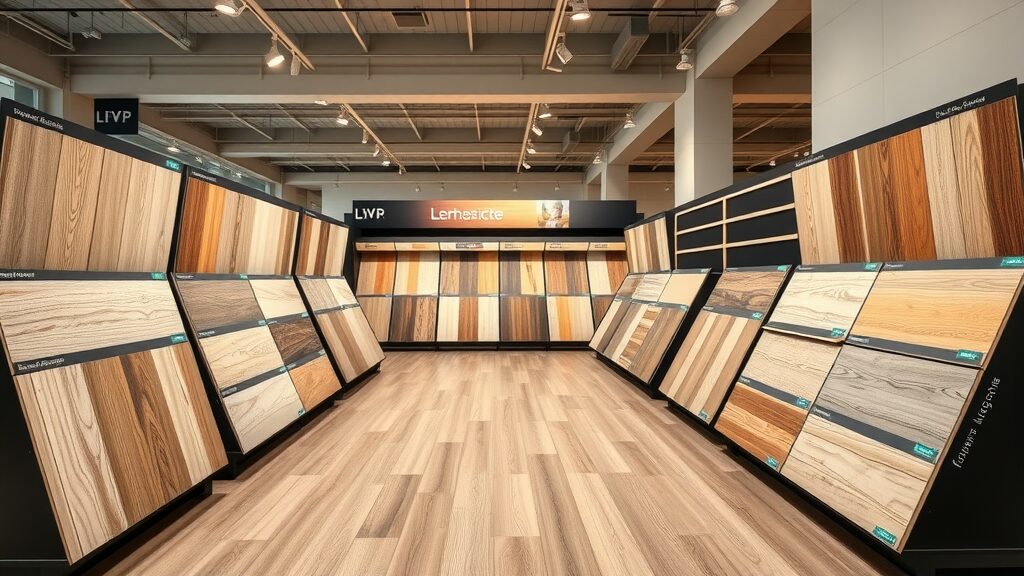
by Tony Foulon | Before & After Project Spotlights
Did you know over 3 billion square feet of traditional flooring are installed each year, much of it contributing to deforestation and landfill waste? The urgency for sustainable flooring options is more than a passing trend; it’s a critical strategy to preserve our planet and enhance the health of modern homes. This comprehensive guide will walk you through the best eco-friendly flooring options—explaining their impact, comparing costs, and showing you how easy it is to make a change that pays off in both style and conscience.
Shocking Stats: How Choosing Sustainable Flooring Options Impacts Our Planet
- Each year, traditional flooring production accounts for 3 million tons of landfill waste in the U.S. alone.
- Many conventional flooring materials contain volatile organic compounds (VOCs) , which pollute indoor air and worsen respiratory conditions.
- Switching to green flooring options such as bamboo or cork can lower a home’s carbon footprint by up to 30%, thanks to renewable harvesting methods and low-emission manufacturing.
- Recycled-content flooring options save thousands of tons of post-consumer glass, rubber, or plastic from ending up in landfills each year.
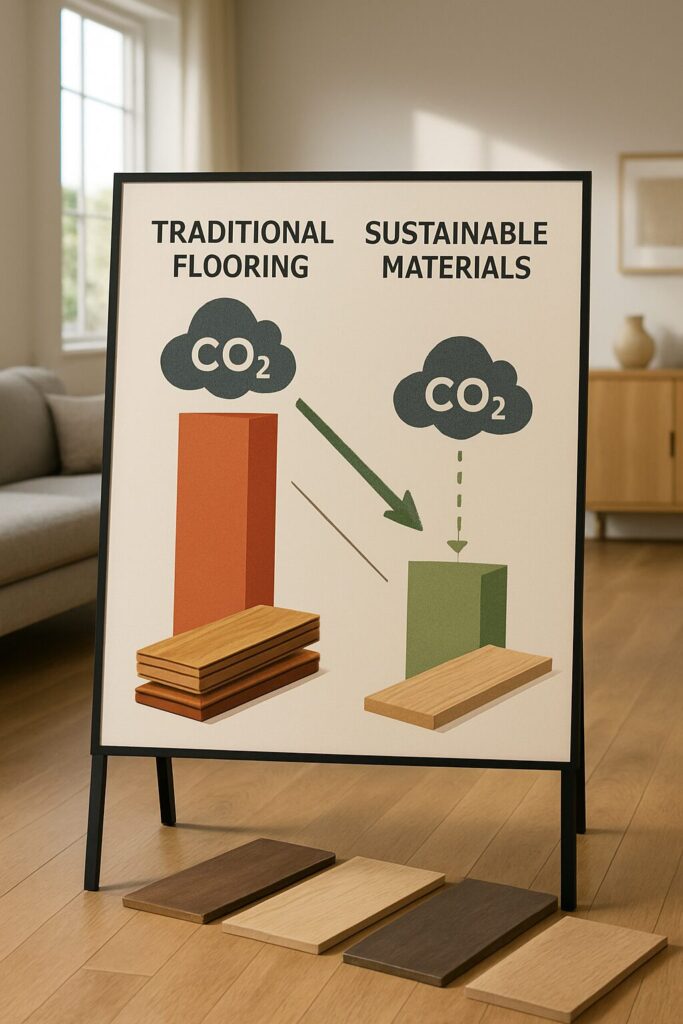
Why Sustainable Flooring Options Matter for Modern Living
- Consumer demand for eco-conscious flooring materials has surged in the past five years, driven by a desire for healthier living spaces and environmental responsibility.
- Sustainable flooring improves indoor air quality, helping families avoid exposure to harsh chemicals found in many traditional floors.
- A wide range of green floor products now meet the needs of allergy-sensitive households and support healthier lifestyles.
“More than 60% of homeowners are now considering eco-friendly flooring options, up from just 25% in 2017.”
As hybrid work and remote living increase, homes have transformed into multi-use sanctuaries—making the choice of flooring material even more crucial. Sustainable options are no longer niche; they’re a standard for anyone seeking a balance of wellness, style, and long-term value in their flooring project.
Eco-Friendly Flooring Options: Paths to Sustainability and Style
Overview of flooring options that meet sustainability standards
There are several sustainable flooring options available that blend durability with eco-friendliness. Whether you’re renovating a modern loft or building a classic family home, sustainable flooring now encompasses a wide range of looks and applications. Popular green floor choices include bamboo flooring , cork flooring , reclaimed hardwood floor , natural linoleum , and a variety of innovative recycled tile and rubber products. Each flooring option supports different aesthetic tastes while reducing harmful impacts on forests and landfills.
- Bamboo Flooring : Rapidly renewable, stylish, and suitable for high-traffic spaces.
- Cork Flooring : Harvested from the bark of the cork oak tree, providing comfort, insulation, and sound dampening.
- Reclaimed Hardwood Floor : Salvaged wood gives a new life to planks that would otherwise be burned or wasted.
- Natural Linoleum : Made from linseed oil, wood flour, and jute, perfect for allergy-prone environments.
- Recycled Tile & Rubber : Transforms post-consumer glass, plastic, and rubber into functional, eye-catching floors.
Comparison of Sustainable Flooring Options
| Material |
Renewability |
Durability |
Cost |
Maintenance |
| Bamboo |
High (matures in 3-5 years) |
Very durable |
$$ |
Easy (sweep & mop) |
| Cork |
High (harvested every 9 years) |
Medium-High |
$$$ |
Moderate (reseal occasionally) |
| Reclaimed Hardwood |
Medium (repurposed wood) |
Very durable |
$$$$ |
Refinish as needed |
| Natural Linoleum |
High (made from natural material) |
High |
$$ |
Easy (wipe clean) |
| Recycled Tile/Rubber |
High (made from recycled materials) |
Medium-High |
$$$ |
Low (very low maintenance) |
Best Bamboo Flooring: A Fast-Growing Favorite Among Sustainable Flooring Options
Why bamboo flooring is a top sustainable flooring material
- Renewable Material : Bamboo grows back after harvesting, reaching maturity within 3–5 years, making it far more sustainable than traditional oak or maple wood floors.
- Appearance : Modern bamboo flooring is available in wide range of shades and grain patterns, fitting both contemporary and classic interiors.
- Durability : Strand-woven bamboo is as strong as (or sometimes tougher than) hardwood flooring, standing up to heavy use and pets.
- Maintenance : Simply sweep and mop with a damp cloth; occasional refinishing restores shine, making it a low-fuss sustainable choice.
The popularity of bamboo flooring is rooted in its exceptional balance between style, toughness, and environmental stewardship. As a highly renewable resource, bamboo helps reduce pressure on forests and provides a sleek alternative to conventional wood flooring options. The natural warmth of bamboo planks invites both comfort and sophistication into any home seeking a sustainable option for floors.
Cork Flooring: Resilient and Renewable Sustainable Option
Advantages of cork flooring for green flooring projects
- Comfort & Cushioning : Cork is harvested from the bark of the cork oak tree, providing a springy feel and natural give, reducing fatigue for standing or playing households.
- Insulation & Acoustics : Cork’s cellular structure offers excellent temperature insulation and acoustic dampening, making it ideal for bedrooms, home offices, and media rooms.
- Recyclability : Made from sustainable cork oak forests, cork flooring can be easily recycled or upcycled after its useful life.
Cork flooring has emerged as a green floor favorite. It’s harvested without harming the cork oak tree, supporting managed forests and local ecosystems. In addition to being a renewable and recyclable flooring material , cork floors feel gentle on joints, buffer household noise, and help families maintain comfortable indoor temperatures throughout the year. This makes cork a versatile, allergy-friendly sustainable flooring option well-suited for family living.
Hardwood Flooring: How to Source Truly Sustainable Wood Floors
Certification and responsible sourcing of hardwood flooring
- Look for FSC-certified or Forest Stewardship Council labels to ensure your wood flooring comes from responsibly managed forests.
- Choose flooring options made with non-toxic adhesives and finishes to reduce volatile organic compounds in your home.
- Confirm that the manufacturer uses sustainable harvesting and replanting practices for lasting environmental impact.
When considering new hardwood flooring , responsible sourcing is essential. Certifications like the Forest Stewardship Council guarantee wood floors originate from forests that maintain biodiversity, regenerate naturally, and support local communities. Homeowners can also seek reclaimed hardwood or products made from rapidly renewable wood species, further reducing pressure on endangered habitats. Selecting sustainably sourced hardwood floor promotes transparency and eco-accountability in any flooring project.
Natural Linoleum: Surprising Benefits in Sustainable Flooring Material
- Comprised mainly of linseed oil (from flax plants), natural linoleum is fully biodegradable and contains zero petrochemicals.
- Boasts impressive resistance to wear, dents, and scratches, making it a favorite for kitchens, mudrooms, and play spaces.
- Comes in an array of vibrant colors and patterns, perfect for creative spaces and design-forward environments.
- Low-maintenance and naturally antimicrobial—an excellent green floor for allergy- and asthma-prone households.
 Despite its vintage reputation, natural linoleum has made a stylish comeback as an eco-friendly floor. It’s composed of rapidly renewable ingredients—including wood flour, cork dust, and jute—making it a top sustainable flooring material . From creative kitchens to energetic playrooms, natural linoleum’s resilience, variety, and safety deliver benefits hard to match with synthetic products.
Recycled Flooring Options: Tiles, Carpet, and Rubber for True Circular Design
How recycled glass, plastic, and rubber floor products transform waste into style
- Recycled Glass Tile : Shimmering mosaics made from post-consumer bottles offer a unique, high-impact look.
- Recycled PET Carpets : Durable carpets created from used plastic water bottles keep millions of pounds of plastic out of landfills.
- Recycled Rubber : Tough, forgiving, and perfect for home gyms or playrooms; made from old tires and sporting shoes.
 The latest recycled flooring options allow you to create show-stopping interiors that champion circular design. Whether you want expressive mosaic floors for creative spaces or resilient surfaces for active households, recycled-content flooring provides beauty and peace of mind. Each choice contributes to fewer resources extracted, less energy consumed, and a meaningful reduction in landfill waste.
What Makes Flooring Material Truly Green?
- Look for third-party certifications such as LEED , Greenguard , and FloorScore to ensure products meet strict environmental and health guidelines.
- Read eco-labels closely: they reveal renewable content, emission levels, and recyclability.
- Opt for flooring material manufactured using renewable energy and minimal chemicals.
“Choosing sustainable flooring means supporting cleaner air, healthier homes, and a safer future for our children.”
True sustainable flooring is defined by more than just recycled or renewable material. It involves the full product lifecycle—from how raw materials are harvested, to indoor air emissions, to end-of-life recyclability. Ethical manufacturing, transparency in the supply chain, and trusted certifications ensure your new green floor is a genuinely sustainable choice, not just a marketing catchphrase.
Aesthetic Versatility: Sustainable Flooring Options for Every Interior Design
- Eco-friendly floors are now crafted in virtually every color, plank size, texture, and pattern, suitable for rustic, industrial, or minimalist spaces alike.
- Many flooring material options—like cork, bamboo, and recycled tile—are available in custom finishes, allowing you to curate a personal look.
- Sustainable flooring options pair beautifully with natural materials in furnishings, enhancing an organic, cohesive style throughout your home.
Designers and homeowners agree: sustainable flooring options offer a level of versatility and creativity previously lacking in green floor products. Whether your taste leans boho, modern, or traditional, there’s a flooring option out there to enhance your vision, all while supporting planetary health.
Cost vs. Value: Are Sustainable Flooring Options Really Affordable?
- Although certain sustainable flooring options come with higher initial costs, they generally offer greater longevity and lower lifetime expenses than many conventional flooring materials .
- Green floors can increase home resale value due to growing eco-conscious consumer demand.
- Many options—like bamboo and cork flooring—require less frequent replacement, reducing total investment over decades.
Upfront vs. Lifetime Costs: Sustainable Flooring Materials
| Flooring Option |
Upfront Cost (per sq. ft.) |
Expected Lifetime (years) |
Maintenance Cost |
Resale Value Impact |
| Bamboo Flooring |
$5-8 |
20-30 |
Low |
High |
| Cork Flooring |
$6-10 |
25+ |
Low-Moderate |
Medium-High |
| Natural Linoleum |
$5-7 |
40+ |
Low |
Medium |
| Recycled Tile |
$8-15 |
50+ |
Very Low |
High |
| Reclaimed Hardwood Floor |
$10-20 |
50+ |
Variable |
Very High |
Savvy homeowners recognize that the slight premium paid for sustainable flooring pays off through fewer replacements, less health risk, and the ability to command higher offers at resale—making these green flooring options a practical financial decision as well as an ethical one.
Installation and Maintenance Tips for Your Sustainable Flooring Options
- Assess your project: Consider subfloor type, humidity, usage, and aesthetic before choosing a flooring option .
- Consult professionals or use easy click-lock systems for DIY-friendly green floor installations.
- Choose low-VOC adhesives and underlayments made from recycled materials to limit environmental impact during floor installation.
Easy cleaning and care guidance for each green floor material
- Bamboo: Sweep regularly, mop with a lightly dampened cloth, and avoid excess moisture.
- Cork: Clean with gentle pH-neutral soaps, reseal every few years to prevent moisture damage.
- Linoleum: Use mild soap and water; avoid harsh chemicals and ammonia-based cleaners.
- Recycled Tile & Rubber: Vacuum or damp mop as needed; these require minimal ongoing care.
Whether you’re working with bamboo, cork flooring, or another sustainable flooring option , maintaining your investment is easy with the right products and techniques. Look for cleaning supplies labeled as non-toxic, biodegradable, and safe for children and pets to ensure your green floor remains a healthy surface for years to come.
Green Flooring Innovations: Emerging Trends in Sustainable Flooring
- Use of low-emission adhesives for safer installations and prolonged indoor air quality.
- Digitally printed tiles mimic exotic stone or rare hardwood while using far fewer resources.
- Recycled-content underlayments add comfort and efficiency to every flooring project .
- Smart home integrations allow for temperature and moisture monitoring, extending the lifespan of your sustainable flooring options .
As technology evolves, so do the possibilities for green flooring . Homeowners can now enjoy high-style surfaces with intelligent features, all while supporting a more sustainable, circular economy in flooring material production.
Choosing Sustainable Flooring Options: Step-by-Step Guide
- Identify the room’s needs: durability, moisture resistance, comfort, and style preferences.
- Set a realistic budget for initial purchase and professional installation if needed.
- Research sustainably certified products—look for LEED, Greenguard, FSC, or FloorScore labels.
- Compare material pros and cons (see tables above) to narrow your selection.
- Consider maintenance and long-term care requirements for each flooring option .
- Request samples and consult with eco-conscious flooring experts before placing your order.
Making informed choices about sustainable flooring options doesn’t have to be overwhelming. This checklist simplifies the process, ensuring that every project contributes to a healthier home and planet without sacrificing comfort or design.
People Also Ask: Sustainable Flooring Questions Answered
What is the least toxic type of flooring?
- Solid hardwood flooring, natural linoleum, and cork are considered the least toxic flooring options when verified by independent certifications such as Greenguard and FloorScore.
- These materials contain minimal volatile organic compounds and are finished with natural oils or water-based sealers, reducing chemical exposure in the home.
What is the ideal flooring for their environment?
- For humid climates, bamboo flooring resists swelling and shrinking better than many hardwood floor species.
- Cork flooring is great for homes needing sound absorption and warmth.
- For allergy-prone families or kitchens, natural linoleum provides a hypoallergenic, easy-to-clean surface.
What is the best flooring for energy efficiency?
- Cork delivers top-notch insulation, maintaining consistent indoor temperatures and cutting heating costs.
- Carpets made from recycled PET also provide warmth and efficiency in colder rooms.
- Paired with dual-paned underlays, wood flooring options retain heat very efficiently.
What is the best no maintenance flooring?
- Engineered bamboo flooring , sealed linoleum , and recycled tile are the most durable and low-maintenance sustainable flooring options, requiring only occasional sweeping and minimal upkeep.
FAQ: Practical Insights Into Sustainable Flooring Options
- How long does sustainable flooring last? Quality green floor products, like bamboo, cork, and natural linoleum, can last 20-50 years or more with proper care—sometimes longer than standard carpet or laminate.
- Are sustainable floors good for pets? Bamboo and recycled rubber floors are especially pet-friendly, resisting scratches and stains while offering easy cleaning.
- How resistant are these floors to allergies? Most sustainable flooring material options are naturally hypoallergenic, and they don’t harbor dust mites or mold, unlike wall-to-wall carpet made from synthetic fibers.
- Are green flooring options difficult to install? Many products incorporate click-and-lock designs, but if not, certified eco-friendly installation experts can ensure a hassle-free experience with appropriate adhesives and underlays.
Success Stories: Homeowners Who Chose Sustainable Flooring Options
- After upgrading their home with cork flooring, a young family from St. Louis reported, “The kids’ allergies disappeared, and the entire house feels quieter and warmer.”
- One recent remodel using recycled glass tiles resulted in a bathroom that “sparkles in the sunlight and feels truly unique—guests are always amazed it came from old bottles!”
-
“Upgrading to cork flooring slashed our heating bill by 20% last winter and our toddler loves rolling around on the soft, natural floor.”
Real-life experiences demonstrate that sustainable flooring options not only boost home comfort and style but can also yield health and financial rewards that keep growing year after year.
Key Takeaways for Selecting Sustainable Flooring Options
- Choose products with respected green certifications, such as FSC, Greenguard, or LEED.
- Match your family’s needs—consider allergies, pets, durability, and climate when selecting a green floor.
- Explore both natural and recycled materials for maximum sustainability and design flexibility.
- Investing in sustainable flooring options can save money over time, increase home value, and create a healthy, beautiful living environment.
- Consult local experts to ensure proper installation and ongoing eco-friendly maintenance.
Take Action for a Healthier Home and Planet
Exploring sustainable flooring options can significantly enhance your home’s eco-friendliness and aesthetic appeal. For a comprehensive overview, consider reading “It Starts From the Ground Up – 9 of the Most Eco-Friendly Flooring Options That Still Have Plenty of Style” . This article delves into various materials like bamboo, cork, and reclaimed wood, highlighting their environmental benefits and design versatility. Additionally, “Turns Out There’s Way More to Love About Cork Flooring Than Just Good Looks” offers an in-depth look at cork flooring, emphasizing its sustainability, comfort, and unique aesthetic qualities. If you’re serious about making environmentally conscious choices for your home, these resources will provide valuable insights into stylish and sustainable flooring solutions.
Flooring Installation Services in O’Fallon, St. Charles County & Surrounding Areas
HomeTown Floors is proud to serve homeowners and businesses with professional flooring installation, hardwood, vinyl plank, carpet, and tile services throughout O’Fallon, St. Charles County, and the Greater St. Louis area. Our service areas include Ballwin, Chesterfield, Des Peres, Eureka, Fenton, Frontenac, Innsbrook, Jefferson County, Kirkwood, Lincoln County, Manchester, St. Charles, St. Peters, Sunset Hills, Town & Country, Union, Washington, Weldon Spring, Wentzville, and Wildwood.
We specialize in flooring design consultations, product selection, and expert installation to give your home or business a beautiful, long-lasting finish. Trust HomeTown Floors for 5-star flooring service and local expertise that sets us apart in Missouri.
by Tony Foulon | Before & After Project Spotlights
Did you know that over 65% of flooring redos are due to basic installation mistakes? The difference between floors that last for decades and those that buckle, warp, or gap often comes down to just a handful of smart flooring installation tips. Whether you’re tackling a DIY laminate floor, upgrading to hardwood, or installing luxury vinyl, paying attention to these practical techniques can save you thousands and bring out the beauty in your wood, laminate, or vinyl plank. Read on to learn the secrets every flooring pro wishes homeowners knew!
Why Flooring Installation Tips Matter: Surprising Facts and Costly Mistakes to Avoid
Flooring installation tips aren’t just handy—they’re absolutely essential for a flawless floor installation . Without proper guidance and an organized approach, you risk costly installation errors like warped planks, unsightly gaps, or squeaky boards that can ruin the beautiful look of laminate, wood, or vinyl flooring. What many homeowners don’t realize is that skipping key installation steps can even void your flooring warranty or require you to replace entire sections in just a few years.
For example, vinyl plank and wood floors often expand and contract with seasonal humidity. Laying planks too tightly without considering an expansion gap or acclimating your flooring properly can spell disaster. This is why following industry-tested installation tips is a good rule for beginners and pros alike. Armed with proven flooring installation advice, you’ll create durable, attractive surfaces and minimize ongoing maintenance costs.
The Real Cost of Poor Flooring Installation: Startling Industry Statistics
According to national data, improper flooring installation is responsible for more than $1 billion annually in repairs across laminate, wood flooring, and vinyl floor projects. Studies reveal that 70% of these failures are related to issues with the subfloor, skipped acclimation periods, or ignoring expansion gaps. Even minor mistakes, like starting at the wrong end of a room or using the wrong tools (such as avoiding the tapping block), create issues that snowball over time and make the installation a lot harder and more expensive to fix.
In real life, poorly laid vinyl plank often buckles or separates at the seams within a year. Laminate floor installations missing a critical expansion gap tend to develop unsightly peaks and valleys, while hardwood floor installation failures cost, on average, 25% more to repair than their initial installation price. The upshot? Every smart installer knows that preventing simple mistakes is far less expensive than fixing them later.
Common Installation Errors (and How Flooring Installation Tips Prevent Them)
The most frequent errors in flooring install projects involve poor preparation and skipping proven installation tips . A common misstep is neglecting to acclimate the flooring material —especially vital for laminate and hardwood floors that naturally expand and contract with environmental changes. This often results in unsightly gaps or bulging planks that compromise the look and safety of your new floor.
Another major pitfall is poor pattern alignment. Failing to stagger planks correctly during a laminate floor or vinyl plank installation can weaken floor stability and create a mismatched aesthetic. Rushed cuts around door jams or corners frequently lead to visible imperfections and can leave floors vulnerable to moisture intrusion and long-term damage. Careful measurement, the use of tools like a tapping block , and attention to expansion gaps are crucial steps every installer should take. These flooring installation tips not only prevent rookie mistakes but save you time and money in the long run.
Essential Flooring Installation Tips for a Flawless Floor Installation
If you want every floor installation to look professional, slip these essential flooring installation tips into your toolkit. First, always prep your surface: ensure the subfloor is flat, dry, and clean. Second, choose the right materials and tools—different projects (like hardwood flooring versus vinyl plank ) require specialized blades, saws, and spacers.
Don’t forget to read the manufacturer’s instructions fully! Many new laminate or luxury vinyl products offer click-and-lock features or pre-attached underlayments that can make the work a lot easier. Lastly, remember that slow, steady progress usually trumps speed in every wood floor installation . This way, you’ll catch small errors before they become expensive mistakes and enjoy beautiful, lasting results.
Flooring Installation Tips for Laminate Floor Success
For a pristine laminate floor , acclimation and pattern planning are key. Bring your laminate flooring into the room where it will be installed and let it sit for at least 48 hours—this minimizes the chance of expansion or contraction issues. Prep your subfloor meticulously; bumps or dips can cause the click-lock mechanism to fail and create a bouncy or noisy finish.
When installing laminate , stagger seams at least 12 inches for each row. Use spacers to maintain a consistent expansion gap along walls and other fixed objects—a solid rule of thumb is to allow at least 1/4 inch. Always use a tapping block to ensure tight seams without damaging the tongue-and-groove edges, particularly around door jams and corners.
Hardwood Floor Installation: Professional Flooring Installation Tips
When it comes to hardwood floor installation , success hinges on both preparation and patience. Let your wood flooring acclimate in its future home for at least 72 hours. Check the subfloor for level—uneven spots can lead to creaking, premature wear, or even split boards. Lay out a moisture barrier if required, and always use proper spacers for the expansion gap.
Nail or glue boards according to the manufacturer’s recommendations. For plank-style wood floors, stagger boards for strength and visual interest. When cutting near a door jam , use a sharp utility knife or oscillating tool for a precise fit. Professional installers often recommend lightly sanding joints to ensure snug, seamless transitions, especially in high-traffic areas.
Vinyl Plank & Vinyl Flooring: Top Flooring Installation Tips
Vinyl plank and luxury vinyl flooring have become popular for their ease of installation and durability. However, skipping key installation tips can result in popped seams and visible gaps. Always start installation along the longest wall for a clean, balanced look and remember that even vinyl must acclimate for at least 24-48 hours.
Lay planks with the pattern and light source in mind: aligning your vinyl floor parallel with windows helps disguise seams and creates a more natural flow. Use a sharp utility knife for precision cutting, and don’t forget to include an expansion gap along walls, baseboards, and fixed cabinets. A tapping block makes it easier to get tight seams, preventing dust or spills from sneaking under your flooring.
Choosing the Right Flooring Material: Key Flooring Installation Tips
Choosing the right flooring material is arguably the most important step in every successful floor installation . Whether you’re considering wood flooring for its natural elegance, luxury vinyl for waterproof toughness, or laminate flooring for its affordability and quick install, each material has unique properties that affect how you prepare, cut, and lay it out.
For high-traffic areas, water resistance and durability matter most. Basements do well with vinyl floor or luxury vinyl planks, while living rooms are ideal for the visual warmth of hardwood flooring or laminate floors . If your home’s subfloor isn’t perfectly level, a forgiving material like vinyl may save you headaches. Refer to the table below for a quick comparison of common flooring materials and their best-use scenarios.
| Material |
Pros |
Cons |
Best Use |
| Laminate Flooring |
Affordable, scratch-resistant, easy DIY install |
Can swell with moisture, requires expansion gap |
Living rooms, bedrooms |
| Hardwood Flooring |
Classic look, long-lasting, increases home value |
Costly, susceptible to scratches and moisture |
Living spaces, formal rooms |
| Vinyl Plank Flooring |
Waterproof, durable, low-maintenance |
May fade in direct sun, seams require care |
Basements, kitchens, bathrooms |
| Luxury Vinyl |
Soft underfoot, authentic patterns, easy clean-up |
Can be punctured by heavy furniture |
Mudrooms, laundry, high-traffic areas |
| Wood Flooring |
Natural beauty, various options, can be refinished |
Expensive, may expand or contract |
Dining and family rooms |
Preparation Is Critical: Pre-Installation Flooring Installation Tips
Proper prep lays the foundation for perfect flooring installation . Before you even open the first box, let your chosen flooring material rest in the installation room (acclimate) for 48-72 hours. Why? Because floors—especially laminate flooring and wood floors —expand and contract with changes in temperature and humidity. Skipping this step often leads to warping or splitting over time.
Also, fix any subfloor imperfections. Sweep thoroughly, and use a level to spot dips or humps. If possible, run a dehumidifier a day ahead. Careful pre-planning ensures a smooth, quiet wood floor installation or a seamless click-lock floor that lasts for years to come.
How to Properly Acclimate Flooring Materials for Any Floor Installation
One of the most overlooked installation tips is simple: leave unopened boxes of laminate floor or hardwood flooring in the room where they’ll be installed for at least 48-72 hours. This lets the planks “breathe” and adjust to the room’s climate. Place the boxes flat and spaced apart, allowing air to circulate. Especially for vinyl plank and laminate flooring , this step prevents installation-day surprises such as warped or gapping boards after the first season’s weather change.
For concrete subfloors, ensure moisture levels are within manufacturer’s specs—too much trapped humidity can destroy even the best wood floor or luxury vinyl plank. Consider this crucial step as insurance for your new floor’s durability and beauty.
Understanding Expansion Gap Needs in Flooring Installation
Expansion gaps are a must with wood flooring , laminate floors , and even many types of vinyl floor . As seasons change, floors naturally expand and contract. Failing to leave a gap around the room’s perimeter or at fixed features like door jams is a primary cause of buckling and squeaking. A good rule of thumb is to use the spacers provided and check the manufacturer’s guidelines—usually 1/4 to 1/2 inch.
Never fill expansion gaps with grout or adhesive. Cover them later with trim or baseboards for a neat, finished look. Prioritizing this seemingly small step ensures your flooring install withstands the test of time.
“An extra day prepping your flooring materials can save you years of headaches down the road.” – Flooring Expert
Installation Tips for Success: Starting Your Flooring Install Correctly
Begin every floor installation the right way by laying your first row of planks along the longest, straightest wall in the room—usually the exterior wall for the most visible result. This approach creates an even plank flow and minimizes small, difficult cuts along visible traffic areas. If you start against a crooked wall, you’ll struggle to disguise uneven seams throughout the room.
Measure twice, lay out a dry run with spacers, and make sure the planks line up well across the threshold or doorway. Taking these small steps early on aids tight seams, prevents frustration later, and earns you the satisfaction of a true flooring pro job.
Where to Start: Professional Insights on Floor Installation for a Laminate Floor or Vinyl Plank
Professional installers always stress: begin in the corner of the longest, most visible wall. In open plans, laying planks parallel to the source of natural light hides seams and enhances visual flow. This technique works wonders for both laminate floors and modern vinyl flooring , ensuring each row fits perfectly and adjustments at door jams or tight corners are straightforward.
Starting from the correct position also makes your flooring install a lot easier. It allows you to avoid frequent, small end-cuts—especially important when handling tongue-and-groove systems or click-lock laminate floor designs. As a good rule, always dry-lay the first two rows to visualize staggering and pattern.
Tools You Need for Seamless Flooring Installation: Don’t Skip These Steps
Every flawless flooring installation relies on the right tools. Some essentials you’ll want in your kit: a tapping block for snug seams, a level to spot uneven spots, a door jam saw for undercutting trim, spacers for even expansion gaps, a sharp utility knife for cutting laminate or vinyl plank, and knee pads for comfort during long projects.
Don’t underestimate the value of using the manufacturer’s recommended tools, as well. Specialized saws or guides can save time and prevent damaged edges during a wood floor installation or when working with premium luxury vinyl board. Consistently using the right gear means fewer mistakes and a professional, lasting result that stands up to daily wear.
- Tapping block
- Level
- Flooring spacers
- Door jam saw
- Utility knife
- Knee pads
- Rubber mallet
- Measuring tape and pencil
- Moisture barrier (if needed)
Using a Tapping Block: Flooring Installation Tips for Tight Seams
A tapping block is one of the unsung heroes of every floor installation . It ensures tight, even seams without damaging the sensitive tongue-and-groove edges of your laminate flooring or vinyl plank . Place the block against the edge of the plank and strike it gently with a mallet. This encourages a tight fit, reduces visible seams, and prevents moisture or dust from infiltrating the joints.
Skipping this step is a fast track to gapped, uneven floors—especially on longer runs. The right technique with a tapping block also makes it much easier to work around a door jam or tricky room features. Don’t rush; consistent, patient taps yield the best finish, just like the flooring pros do.
Key Techniques: How to Install Laminate, Wood, or Vinyl Flooring Like a Pro
Want to install laminate or wood flooring like a true professional? Start with careful measurement—especially near door jams and corners—and plan your row layout to minimize narrow plank widths at room edges. Always stagger joints between rows for maximum stability and eye appeal.
As you go, check each row with a level, especially on longer runs. Use spacers for the expansion gap and follow the flooring installation tips outlined above for each specific material. Small investments in tools and time pay huge dividends in the professional look and feel of your finished floor.
Precise Cutting & Fitting Around Door Jams and Corners in Flooring Installation
Working around a door jam is one of the trickiest parts of any floor installation , regardless of whether you’re dealing with laminate , wood floor , or vinyl plank . The best approach is to use a sharp utility knife for vinyl or an oscillating saw for wood and laminate. Undercut the trim enough to allow planks to slide beneath without stress or force—never “bump up” the board against a jam or it may bind and squeak.
Always mark boards with precision and cut small notches rather than wide openings for a snug fit. “Dry fit” planks before the final installation. This extra attention makes your final floor look seamless, minimizing finishing trim and maximizing the sense of quality throughout the room.
Laying Planks: Patterns and Flow for Laminate Flooring and Vinyl Plank Installation
The way you lay your planks has a dramatic impact on the look and strength of your finished floor. For most laminate floor and vinyl plank installations, running planks parallel to the longest wall or main light source delivers the best visual flow. This tends to hide minor seams and makes rooms feel larger and more cohesive.
Always stagger end joints by at least 12 inches between rows. Randomizing patterns avoids repeating seams and results in a stronger, more professional floor installation . Planning ahead prevents problems as you reach doorways or unusual angles, so measure and cut those tricky planks before starting each row for a stress-free experience.
“Attention to detail when fitting around a door jam sets apart a good flooring install from a great one.” – Pro Installer
Avoid These Missteps: Flooring Installation Mistakes to Watch For
Even the most meticulous DIYers can fall prey to common flooring installation mistakes. Top offenders include skipping the acclimation period, squeezing planks too tightly (ignoring expansion gaps), starting in the wrong place, and forcing planks together or apart until they splinter. Each of these simple errors can turn a beautiful floor into a costly headache within just months of installation.
By following proven installation tips like using a tapping block, maintaining proper expansion, and methodically planning your install, you make the job a lot easier and ensure a professional, lasting result. Don’t let impatience cost you extra money—do it right the first time!
- Skipping acclimation of flooring materials
- Ignoring the required expansion gap
- Starting the installation on a crooked or short wall
- Forcing planks into place (risk of chipping, buckling, or splintering)
Real-World Flooring Installation Tips: Lessons from the Pros
Seasoned installers all agree: there are no shortcuts to a flawless flooring installation . Slow down when laying your first two rows—getting those straight sets the tone for the entire project. Always check that seams are tight and that expansion gaps are consistent, even if you’re pressed for time. Take frequent “sight checks” from multiple angles, especially around doorways and transitional strips.
Finally, invest in affordable upgrades such as quality spacers, a professional tapping block, and sturdy knee pads . Small investments make the job easier and your floors better.
“Even veteran installers rely on these essential flooring installation tips to ensure every floor looks perfect.” – Master Carpenter
What Not to Do When Installing Vinyl Plank Flooring
Vinyl plank flooring offers outstanding durability, but there are key pitfalls to avoid for flawless results. Never install vinyl plank in extreme temperatures or before letting it acclimate. Avoid shoving planks together—a common mistake that can close off expansion spaces and cause buckling. Skipping an underlayment when recommended can also lead to noisy floors or excessive wear.
Always follow the manufacturer’s sequence for locking planks and make sure seams are snug but not overtightened. Failing to include a perimeter expansion gap or ignoring undercutting at door jams can result in a visibly uneven surface. These simple installation tips will help you avoid rookie errors and get sturdy, beautiful floors.
Pitfalls to Avoid in Vinyl Plank Floor Installation
Common mistakes with vinyl plank flooring include installing in a humid environment without moisture checks, neglecting to acclimate planks, failing to plan the first row layout, and skipping spacers. Forcing planks to fit into a tight area can damage edges and lead to future issues with gaps or buckling.
Be alert for the temptation to cut corners, such as not following the plank sequence or using makeshift tools instead of a tapping block or saw. Always take your time—following these flooring installation tips guarantees a successful, frustration-free installation and a luxury finish that lasts.
Common Mistakes When Laying Laminate Flooring
Installing laminate flooring may seem straightforward, but it’s full of hidden traps for beginners. One of the most frequent issues is improper acclimation—without it, planks may shrink, swell, or separate soon after installation. Skipping the expansion gap is another top mistake, and so is failing to stagger seams, which can undercut both appearance and durability.
Rushing cuts around obstacles, especially at door jams or heating vents, often leads to unsightly gaps or uneven transitions. Always double-check measurements and complete dry-lays before final installation. Investing that bit of extra time in prep and careful cutting distinguishes high-quality floors from amateur jobs.
Laminate Floor Installation Tips: Spotting Mistakes Early
Catch installing laminate mistakes early by regularly checking for tight seams, consistent expansion gaps, and even plank alignment. Look along the length of each row before you lock in the next to ensure a uniform appearance. If you notice a plank that doesn’t fit right, fix it immediately rather than trying to correct the error later—it’s much easier at the start than after several rows are complete.
Take special care around transitions like doorways and baseboards. Even small gaps or raised plank edges at these locations are a clear sign something’s amiss and should be corrected before moving on with your flooring install .
When Putting in Flooring, Where Do You Start?
Always start your floor installation along the longest, straightest, and most visible wall in the room. This helps keep rows running parallel and prevents the need for narrow slivers at the finish, which are not only harder to cut but more likely to move out of place over time. For large, open rooms, align your planks with the main light source (like windows) to minimize visible seams and create a natural-looking flow throughout the space.
It’s best to “dry lay” the first two rows before locking planks together. This gives you a chance to adjust the pattern, check for misalignments, and ensure the expansion gap is consistent. These steps make the process run a lot smoother from start to finish.
Best Starting Point for Flooring Installation
The pros recommend always starting from the corner of the longest wall and working outwards. This creates a straight reference for the eye and makes staggered seams easier to maintain. Avoid starting in hallways, closets, or against short or crooked walls, as these make it harder to achieve a professional look and can result in more off-size cuts at visible transitions.
Persistently check that long rows remain parallel and that the pattern lines up as you work across the space. This attention to detail pays off with a uniform, attractive floor that stands the test of time—even in high-traffic areas.
What Happens If You Don’t Let Flooring Acclimate Before Installing?
Failing to acclimate flooring material before installation invites disaster. Without time to adjust to the new room’s temperature and humidity, wood floors , laminate floors , and vinyl plank can expand or contract unpredictably. The result? Gaps, buckled edges, or warped planks just weeks or months after installation.
This problem isn’t just cosmetic; improper acclimation can void your warranty and require partial or complete floor replacement. For every flooring material , acclimation is the most important step for long-term performance and satisfaction.
Consequences of Skipping Acclimation in Floor Installation
If you skip acclimation, your new flooring install is at risk. When environmental conditions cause the planks to expand and contract, you might see unsightly seams, cupping, or even lifting boards. This can cause trip hazards or persistent squeaks that are difficult to repair without starting over.
Especially with wood floor installation or high-traffic vinyl plank areas, acclimation directly impacts durability and comfort underfoot. To prevent costly redo’s, never ignore this critical early step.
Answers to Top Flooring Installation FAQs
- How long does a laminate floor take to settle? Most laminate floors settle within 48-72 hours as they finish acclimating to the room. You can walk carefully on them right away, but wait to move heavy furniture until at least 24 hours after installation.
- Why is a tapping block needed? A tapping block ensures tight seams during installation, protecting plank edges from chips and damage while delivering a long-lasting, professional finish.
- Can luxury vinyl be installed without underlayment? Some luxury vinyl has attached underlayment, but many types require a separate pad for moisture protection and cushioning. Always follow your product’s guidelines for best results.
Take Your Next Step: Great Flooring, Great Service
Ready to enjoy flawless floors? Get quality flooring and 5-star service—call HomeTown Floors today at (636) 244-4951 or book online at www.hometownfloorsonline.com!
Key Takeaways for Flawless Flooring Installation
- Choose the right materials for your project.
- Use proven flooring installation tips at every stage.
- Rely on tools like a tapping block and maintain proper expansion gaps.
- Start your floor installation in the right spot.
- Don’t skip acclimation for laminate flooring, vinyl plank, or hardwood flooring.
Flooring Installation Services in O’Fallon, St. Charles County & Surrounding Areas
HomeTown Floors is proud to serve homeowners and businesses with professional flooring installation, hardwood, vinyl plank, carpet, and tile services throughout O’Fallon, St. Charles County, and the Greater St. Louis area. Our service areas include Ballwin, Chesterfield, Des Peres, Eureka, Fenton, Frontenac, Innsbrook, Jefferson County, Kirkwood, Lincoln County, Manchester, St. Charles, St. Peters, Sunset Hills, Town & Country, Union, Washington, Weldon Spring, Wentzville, and Wildwood.
We specialize in flooring design consultations, product selection, and expert installation to give your home or business a beautiful, long-lasting finish. Trust HomeTown Floors for 5-star flooring service and local expertise that sets us apart in Missouri.